

Think Twice Before Buying These 15 Plants As Seedlings
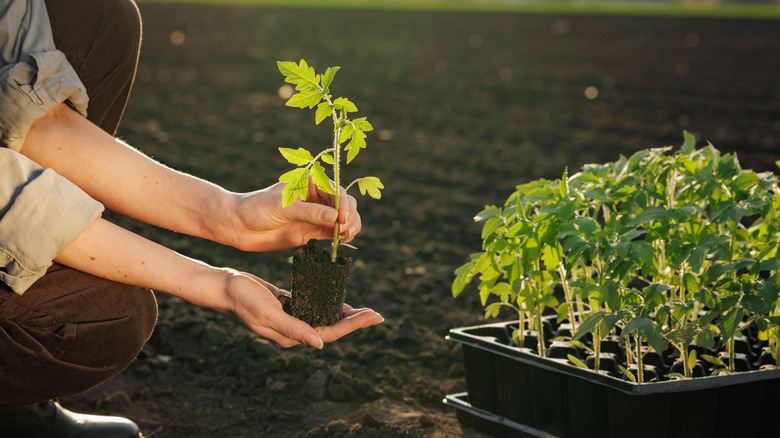
As the calendar inches closer and closer to spring, so does the promise of seedlings at your local garden center. Even those gardeners who have already started their seeds in January keep an eye out for healthy seedlings at the store. It's easy to see why seedlings are so beneficial. All the work of germination is finished and root development has already begun. When the seedlings come home, they just need to be planted in the garden. However, there are several plants you should think twice about buying before you decide to plant them in your garden as seedlings.
All plants can be grown as seedlings, but that does not mean all of them should. There are many types of vining plants, root vegetables, and flowers that should not be planted as seedlings. Several are susceptible to transplant shock, which occurs when the roots are too sensitive to be moved from one environment to the other. Transplant-shocked plants can fail to grow further during a season, and may even die off.
In other cases, it is just easier to start from seed because the plants prefer it and grow faster as a result. And since the vine, root, and flower categories are vast, breaking down which specific types are ones you should not purchase as seedlings is important, should you ever want to plant any of these in your garden.
Sunflowers
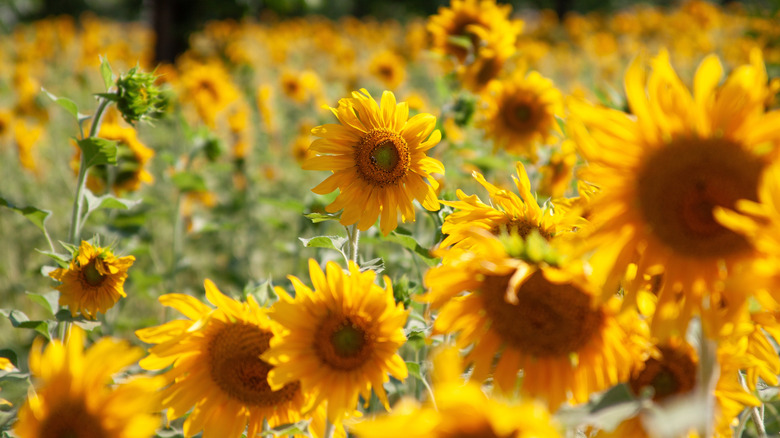
The stages of growth in sunflowers (Helianthus spp.) can provide an answer as to why these beautiful flowers should not be purchased or planted as seedlings. A sunflower benefits from being directly sown into the earth because the flower develops a long taproot that is very sensitive to transplanting. There is a greater risk of transplant shock, which can easily kill off the plant.
In general, sunflowers do not like to be disturbed once planted. Best practice would be to select your growing site, and plant them directly into silty soil that has good drainage to prevent root rot.
Pumpkin and squash
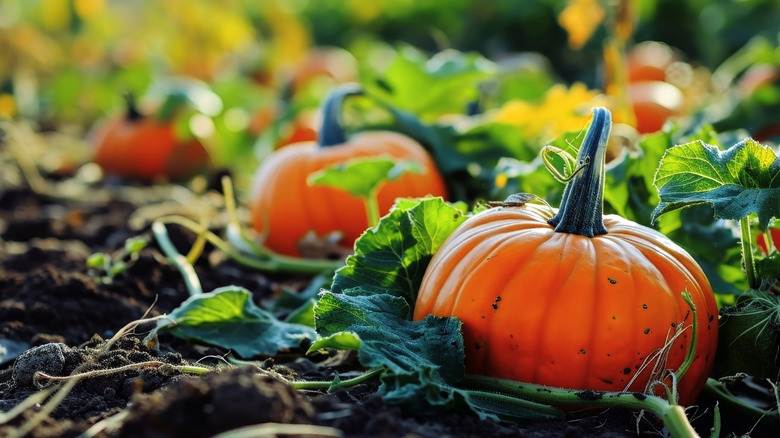
Whether you plan on using them as charming decor for your front porch or for actual culinary purposes, growing pumpkins or squash (Cucubita pepo) is surprisingly easy, provided you give them enough space and don't buy them as seedlings.
Pumpkins and squash grow from primary taproot that is super sensitive to any kind of disturbance. It needs to grow from seed in a single place in order to produce the strong vines the pumpkin or squash fruit will eventually grow out of. Transplanting them to unfamiliar soil at a young age can be far too stressful, leading to stunted growth and even death.
Beans
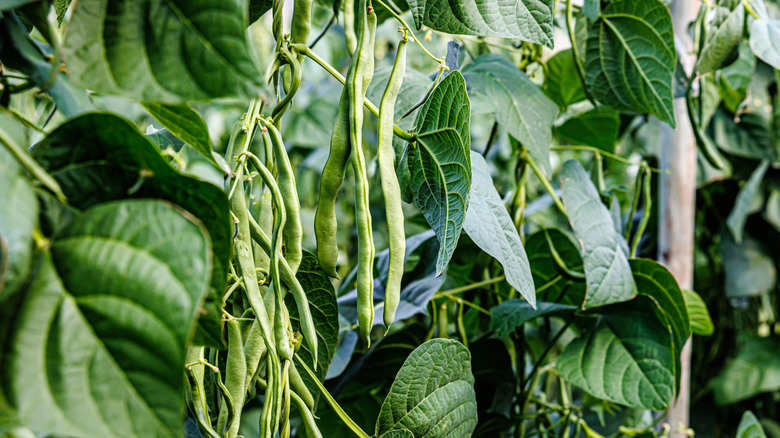
Whether you call them runner beans or pole beans, the entire bean genus (Phaseolus vulgaris) are not well suited for the seedling planting treatment. This is not because you cannot grow them as seedlings, however.
Indeed, starting bean seedlings would yield you germination and growth very quickly. Yet, it is precisely because beans grow so quickly that they should be directly sown into the ground. This way, their roots can establish a strong structure in the location they will be long term. Disturbing their roots through transplanting greatly increases the risk of shock, which can adversely affect the harvest.
Lupines
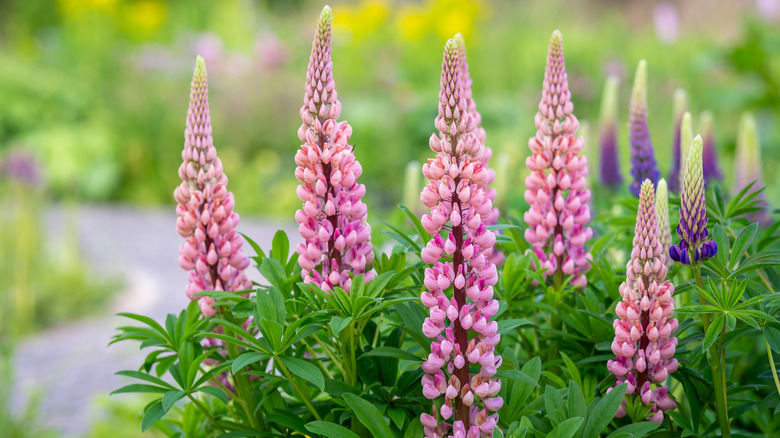
There is no reason why you should consider purchasing or seed starting lupine (Lupinus) flowers. They are among the easiest of all perennial flowers to grow from seed. Indeed, a simple scattering into a healthy field or in a bed of loose, sandy soil will yield an amazing array of violet, blue, pink, and red blooms.
As members of the pea family, lupines also have that long, sensitive taproot that does not do well when disturbed. This root system needs to go deep in order to reproduce every year. Transplanting disrupts that growth, leading to severe plant stress that could very well lead to death.
Snow peas
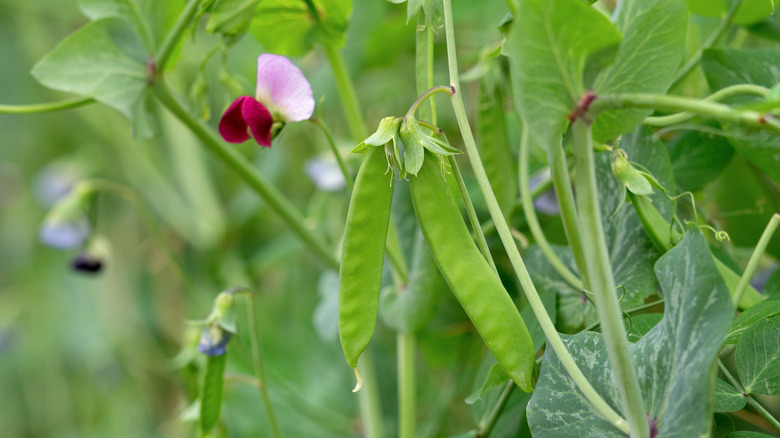
If you have ever been looking for plants that improve the quality of your soil, you cannot do much better than snow peas (Pistum sativum). They are part of a group known as nitrogen fixers. Their roots help transform atmospheric nitrogen into a kind that plants can use to better absorb nutrients.
Though powerfully beneficial, the root system is also very delicate. Transplanting from seedlings can harm this system, but also greatly reduce its beneficial impact on the soil. A stressed and struggling snow pea will not be nearly as prolific or as healthy than one directly sown and grown from seed.
Corn
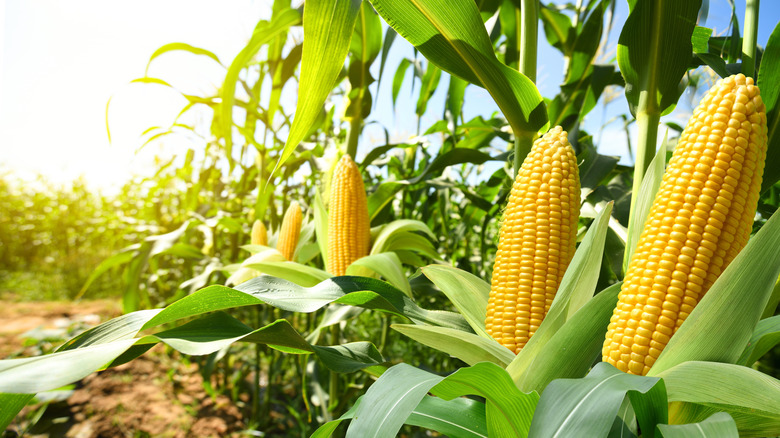
Much like the aforementioned beans and peas, corn (Zea mays) grows far too quickly to even warrant starting them indoors in seed trays, or purchasing seedlings from the garden center. According to the Nebraska Corn Board, most corn only needs between 80 to 115 days to grow to maturity. In the scheme of the garden, that is incredibly short.
Corn also like staying put once planted and does not tolerate transplanting, which can lead to stunted growth or the corn never recovering at all from the shock. It is far easier to just plant and grow corn from seed.
Cucumbers
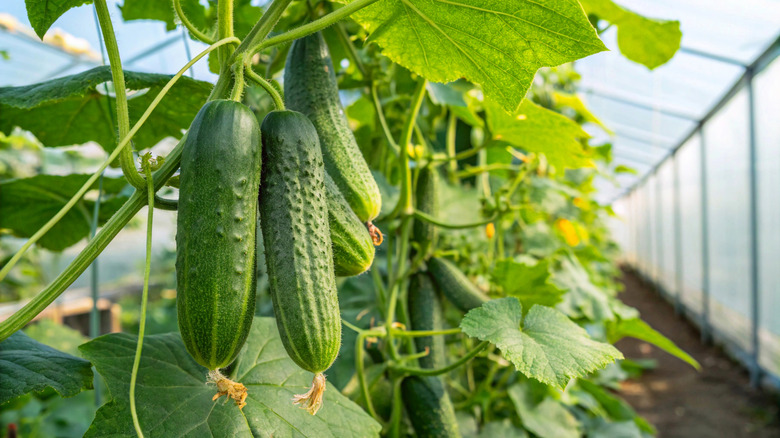
It may be somewhat surprising to find cucumbers (Cucumis stavius) on this list. They are among the easiest of all vegetables to grow indoors, so it only makes sense to buy a seedling and transplant it into a pot inside, doesn't it? Not quite.
Cucumbers germinate and begin to grow very quickly. Their root system can very easily outgrow small seedling containers. Established roots run a higher risk of suffering from transplant shock when moved to new soil. The result of this shock is that they might not acclimate well to new surroundings, meaning you may not get cucumbers in your summer salad.
Beets
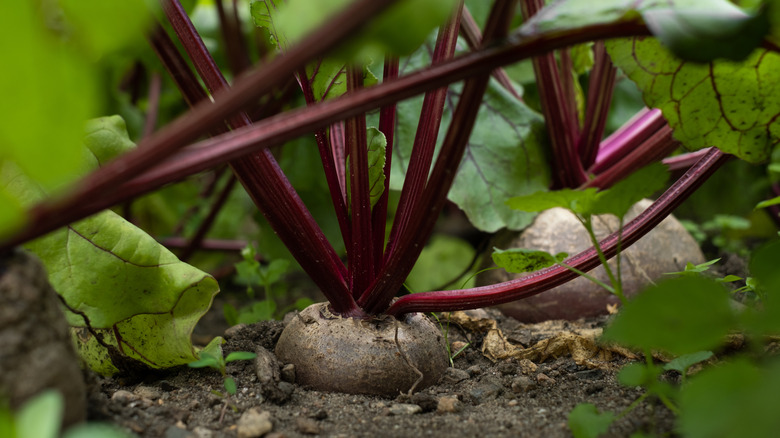
A common theme runs through root vegetables, and that is that they all have a distinctive taproot from which the rest of the vegetable is formed. Beets (Beta vulgaris) are known for their unique array of colors and their sweetly earthy flavors.
Though more bulbous, the taproot of beet plants are still very definitive. When that root is disturbed or damaged via transplanting of a seedling, the beet can very easily become stunted and grow into a misshapen mass as opposed to a healthy bulb. Flavor can also be affected too, becoming more woody than sweet.
Carrots
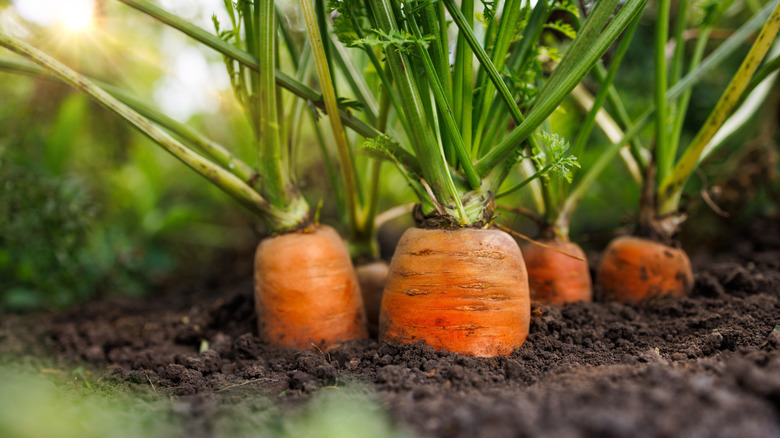
Carrots (Daucus carota var. sativus) are perhaps the perfect example of why you should not buy root vegetable seedlings. The taproot of the carrot is perhaps the most pronounced of any root. The long tendrils you see coming out of the bottom point of the carrot is the primary taproot.
Much like the aforementioned beets, when that taproot is disturbed via transplanting, the resulting transplant shock has the potential result of a stunted and misshapen carrot. You will have a far better result growing carrots directly from seed in loamy, non-compacted soil.
Radishes
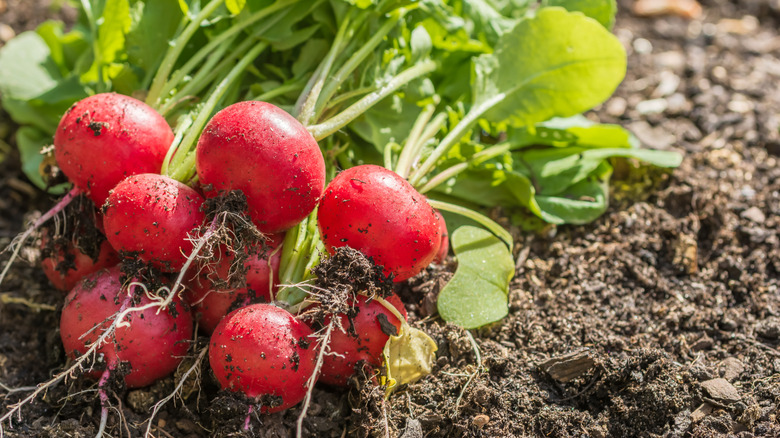
The importance of the taproot on a root vegetable cannot be understated. It is the central pillar that helps literally root the vegetable into the earth and draw up nutrients.
Even smaller root vegetables like radishes (Raphanus sativus) that do not have as pronounced a taproot will still be susceptible to the kind of common transplanting shock that occurs to other root vegetables. A damaged or stressed taproot will not adapt to its new soil surroundings with ease, if at all. As such, you cut off the radishes main tool for growth, which ultimately negates the point of growing them.
Zinnia
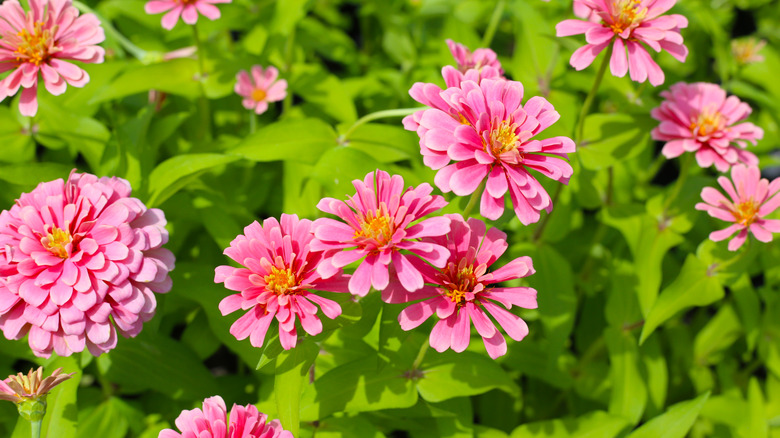
Whether you're using them as a border plant to ward off rabbits or growing them for purely visual purposes, you cannot go wrong with beautiful zinnia (Zinnia elegans) flowers. That is, unless you purchase them as seedlings.
Like several other flowers on this list, zinnias have delicate roots that easily suffer from transplant shock. Instead, zinnias much prefer to be started and grown to completion from seeds. You can directly sow them into the ground, but zinnia flowers are also exceptionally tolerant of container gardening. So long as you do not move them or disturb their roots in any way, these flowers will grow happily.
Taproot herbs
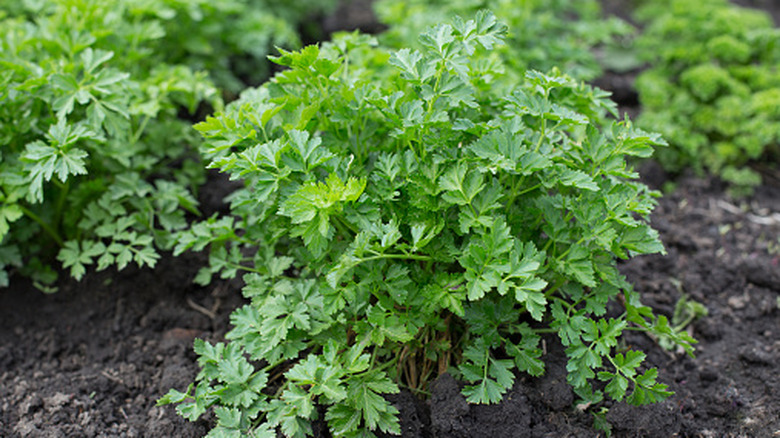
Certain varieties of herbs such as parsley (Petroselinum crispum), cilantro (Coriandrum sativum), dill (Anethum graveolens), and fennel (Foeniculum vulgare) have a central taproot from which they derive their nutrients and water intake. These herbs are actually related to carrots, and have the same susceptibility to transplant shock, stunted growth, and even death from being purchased and moved as seedlings.
Planting herb seeds in containers or out in the garden helps them grow healthier, faster, and even provides more flavor. Be careful where you plant fennel, however, because it does not companion well with most other plants.
Melon
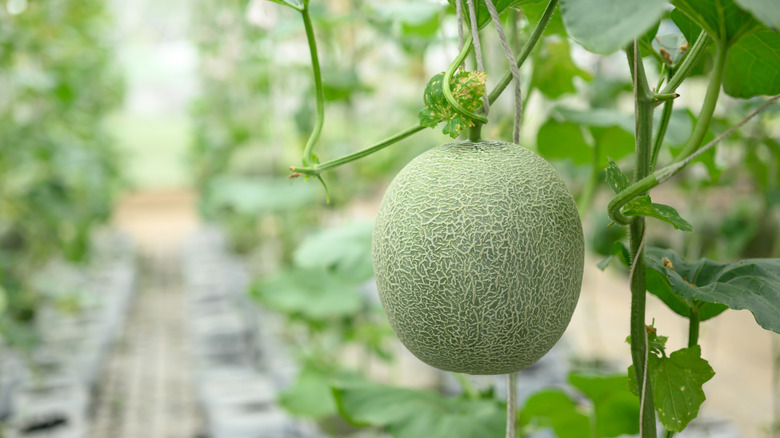
Just like their pumpkin and cucumber brethren, melons (Cucumis melo) grow from a series of centralized taproots from which the giant vining system grows these large, sweet fruits. These roots, however, are very delicate and do not like to be disturbed once they are established. This is because all members of the Cucumis family grow exceptionally quickly across a large area of square footage.
As such, they will easily outgrow seedling containers. Though young, the taproots from those seedlings would definitely experience transplant shock and their growth would suffer as a result.
Cosmos
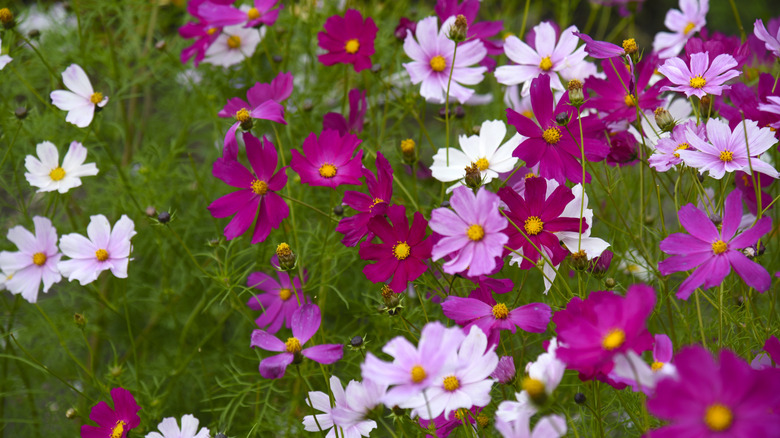
In general, it is cheaper to purchase seed rather than seedlings. This is true whether you're looking to create a crop garden of vegetables, or a flower garden filled with colorful varieties like cosmos (Cosmos bipinnatus). These flowers are very affordable as seeds and grow quickly in a wide variety of different soils.
These traits make them rather incompatible for seedling purchase, because the roots continue to grow inside the containers and can often be root bound upon removal. Root bound plants often have little to no soil, dry roots, and aren't often able to accept water and nutrients as a result.
Nasturtium
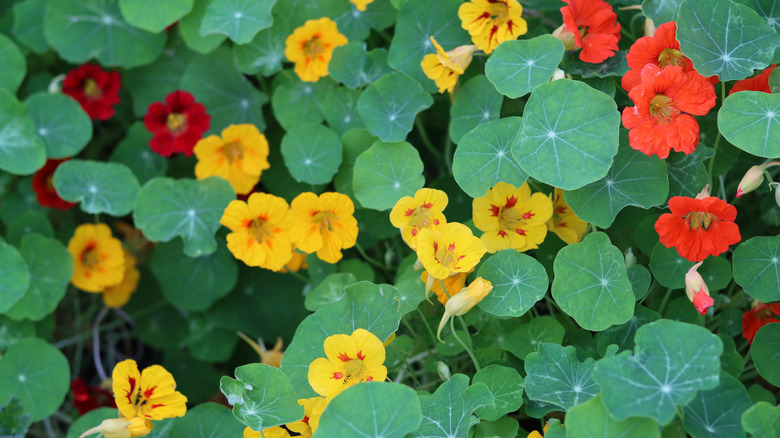
Though they are very resilient when fully grown and established, nasturtium flowers (Tropaeolum majus) have super sensitive root systems that do not like to be transplanted. They are just as likely to get transplant shock as any of the others on this list.
You can directly sow them into the ground, or start them in biodegradable containers that will decompose into the earth as the flowers grow. This greatly reduces the risk of transplant shock, and allows you to get a head start on your nasturtiums if you live in a colder climate.