

8 Valuable Vintage Pottery Pieces To Look For At An Estate Sale Or Thrift Store
We may receive a commission on purchases made from links.
Anyone who wants to up their vintage hauls would do well to check out thrift stores and estate sales. There are literally thousands of overlooked treasures you can find at estate sales or in the aisles of a thrift store. And while many shoppers might be looking for antique copper pots or cast iron pans to deck out their kitchens, keen-eyed vintage haulers should keep an eye out for antique pottery pieces that could hide surprising value.
Pottery is an ancient art form that encompasses a wide variety of items. Earthenware plates, luxurious porcelain, transferware china, stoneware jugs, and contemporary ceramics from independent artists are all encompassed under the pottery banner. While all pottery pieces have value to someone, there are certain pieces and makers that command considerable value.
When it comes to valuable vintage pottery items, it's important to know what to look for when you're shopping. Armed with this knowledge, you may be surprised to discover how many affordable items at estate sales and thrift stores are actually worth so much more than what you pay for them.
Wedgwood jasperware
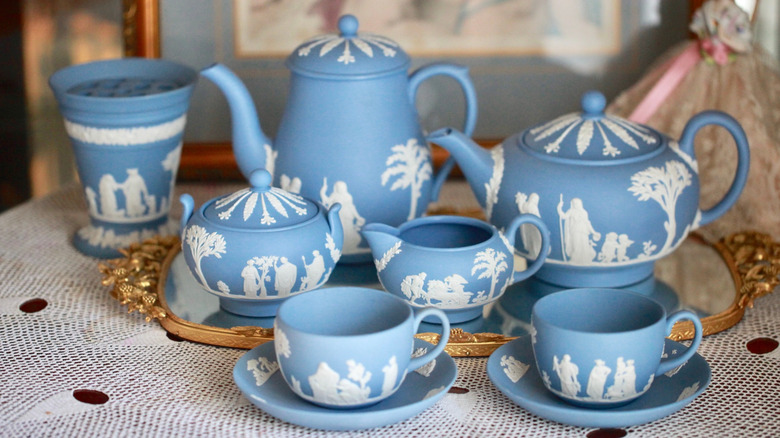
Established in England in 1759, Wedgewood is one of the most prominent and respected makers of ceramics and bone china in the entire world. Its jasperware line, which is a type of stoneware prized for its ultra-matte finish, colors, and patterns, is among the most recognizable of all pottery. Jasperware teapots from the 1700s have been known to sell at auction for hundreds of thousands of dollars. If you spot some at an estate sale or thrift store, check for the Wedgwood makers mark embossed into the bottom of the piece.
Early period Roseville pottery
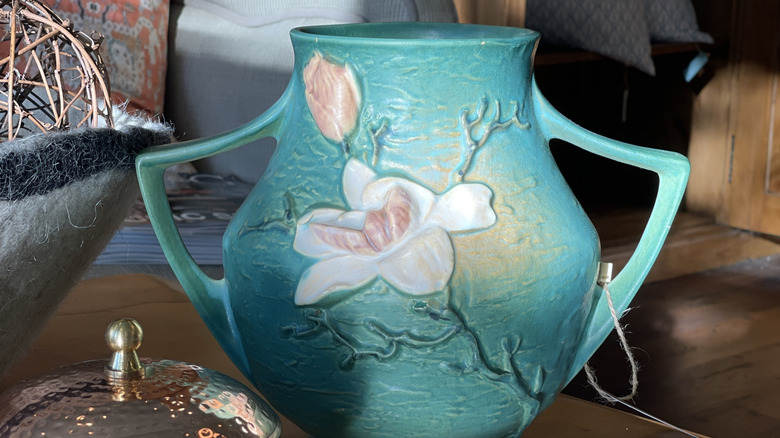
Roseville pottery (founded in Ohio in the late 19th century) encompassed a wide variety of stoneware products, including vases, teapots, and bowls. Its colorful patterns often presented plants like clematis, wisteria, and white roses. Some of its most valuable pieces come from the Arts and Crafts and Art Deco movements. Early Della Robbia line vases and teapots, which have a Rozane watermark for authentication, are among the most valuable pieces. The Futura line from the 1920s is also highly prized. However, almost all Roseville can go for several hundred or even thousands of dollars.
Charles Counts
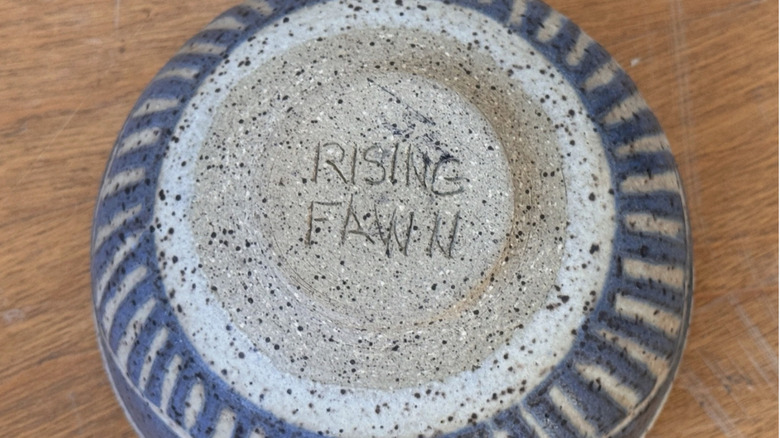
Charles Counts (1934-2000) was an American potter whose work has been purchased by museums and private collectors for large sums of money. One of his Civil Rights-inspired pots called "Against the Mob" sold at auction for $6,000. His work is notable for its mid-century modernism and civil rights themes. Depending on the year it was made, you can identify a Charles Counts piece by the signatures that read "Charles Counts," "Beaver Ridge," or "Rising Fawn." Though much of his work are vases, other pieces that can be found include pitchers, cups, plates, and bowls.
Mid-century studio pieces
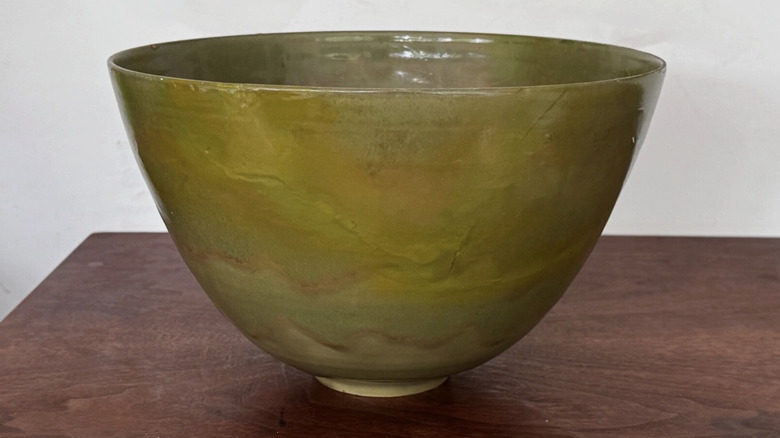
The studio arts movement was one that began in the 1930s and by the '40s, '50s, and '60s had taken over virtually all decorative arts, including pottery. It valued individual artists, such as Otto and Gertrude Natzler, whose studio pots are worth a small fortune if you come across one at a thrift store. Almost all mid-century studio pieces will contain signatures from the maker on the underside of the piece. Other names to look for include Peter Voulkos, John Mason, and Beatrice Wood.
Stoneware jugs and crocks
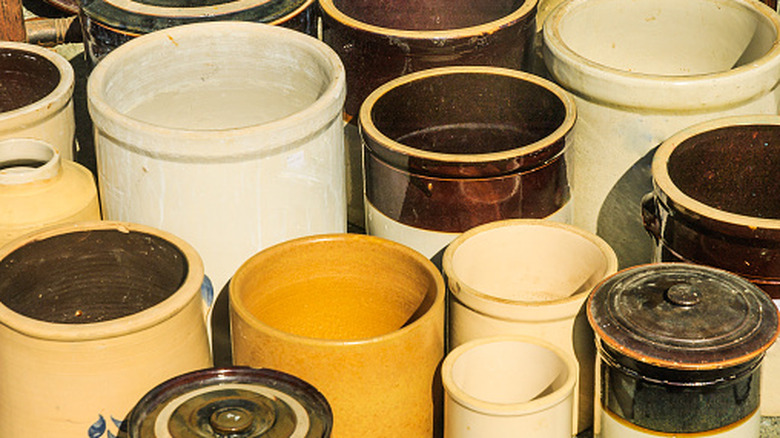
The main difference between earthenware and stoneware is that the latter is a hardened, nonporous, clay-based pottery that can be utilized for a wide variety of different tasks. It has been used to make pottery for centuries, and some of the earliest and most valuable examples of American stoneware come from the 18th and 19th century. These can be identified by their simple colors, single letter designs, and salt glazes. Cobalt blue design patterns are particularly popular. At an estate sale, you could definitely come across one that has been passed down through generations.
Newcomb pottery
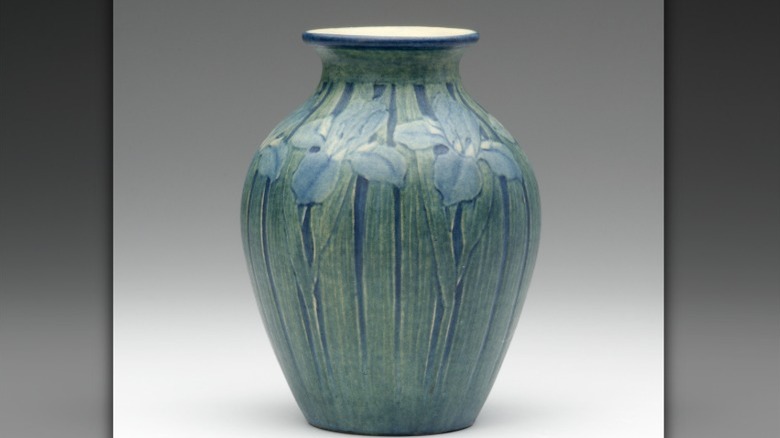
Produced by the pottery program at Newcomb College for women in New Orleans from 1895 to 1939, Newcomb pottery is a blend of the Arts and Crafts movement and traditional Japanese art. Many of the pieces produced during this period have been selected for museums and private collections, with many being worth several thousand dollars. Known for their animal and plant motifs, Newcomb pottery can be identified by the Newcomb College markings along with initials from particular artists as well as a shape number that indicates a vase, bowl, or plate. If you see any Newcomb College memorabilia at an estate sale, there just might be a pottery piece nearby.
Spode ceramics
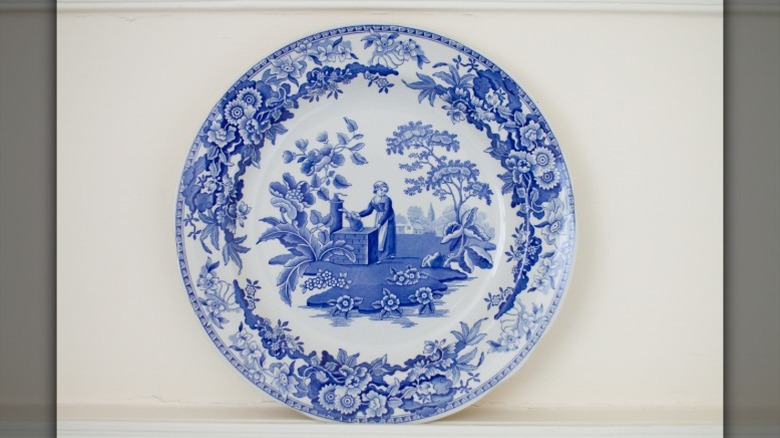
Spode is another legendary name from the English pottery tradition. Pioneers in transferware (the art of transposing highly detailed patterns onto a piece of ceramic or porcelain), Spode plates, tea sets, bowls, and vases are among the most highly valued of all kitchenware. The Blue Italian is perhaps the most well known and sought after of all Spode patterns. Depending on age and condition, Spode can either be worth a few hundred dollars or several thousand. So, don't pass up on some if you locate them at an estate sale or thrift store.
Early Rookwood pieces
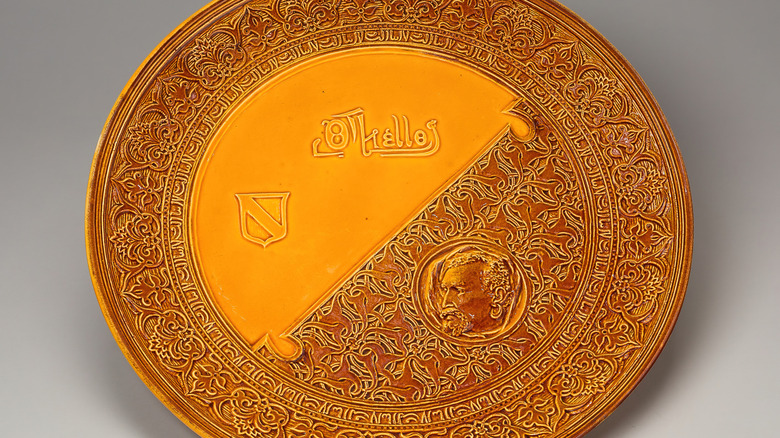
Rookwood pottery has been churning out iconic pieces of ceramic and earthenware since the 1880s. Based in Cincinnati, Ohio, Rookwood pieces can be identified by the signature "RP" monogram found at the bottom of every piece. Known for its variety of designs and different glazes, early Rookwoods from the late 19th and early 20th centuries that are in good condition are going to be the most valuable. Even more valuable are those pieces that have signatures from individual artists employed early on in Rookwood's history.