

Stop! Don't Drip The Wrong Temperature Water To Prevent Frozen Pipes
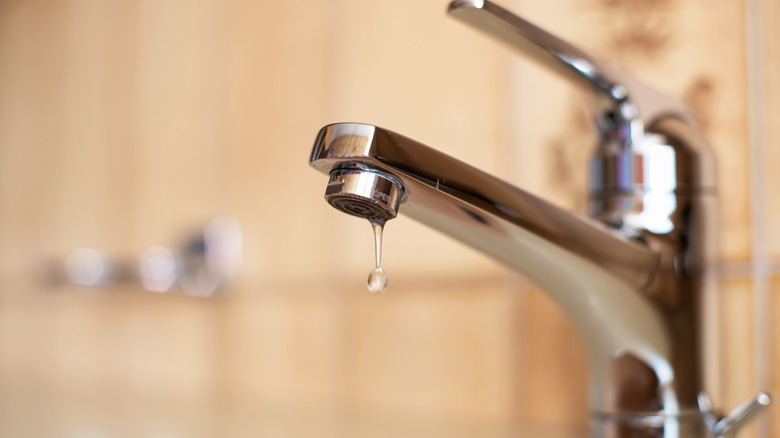
When freezing temperatures are forecasted, homeowners need to keep an eye on their plumbing to make sure that their pipes don't freeze and burst. Broken pipes can cause extensive water damage and be quite costly to repair. One of the best ways to prevent frozen pipes is to keep at least one water tap dripping. However, you need to make sure that you are dripping the correct temperature water.
The idea behind keeping your taps dripping is simple. When water is moving, it is far less likely to freeze because the motion of the water helps prevent ice crystals from forming in all but the lowest temperatures. When temperatures are expected to be below 20 degrees Fahrenheit, it is a good idea to keep the water running to help ensure that your pipes don't freeze. As an extra measure, opening up the cabinet doors can prevent costly pipe damage by letting indoor air reach under your kitchen and bathroom sinks.
In general, you want to keep the cold water tap dripping steadily. Cold water is going to freeze a lot faster than hot water, so you need to start with this line to prevent frozen pipes. It's also important to prioritize those faucets that are farthest away from your hot water heater, as this will help move water through more of your home's plumbing (and being further away from the heater, these lines may be colder).
When to use a mix of hot and cold water
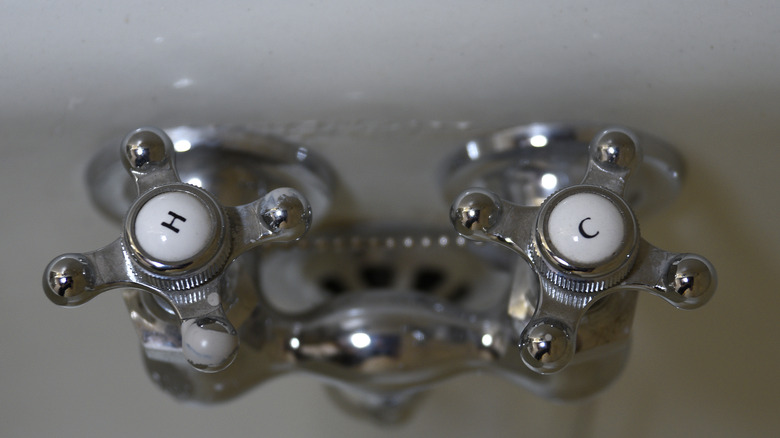
Insulating your pipes should be among the top priorities on your preparation checklist for freezing temperatures. However, just because the pipes are insulated does not mean that they are not susceptible to freezing. Indeed, if you have a basement or crawlspace that is not insulated and long lengths of pipe are running through those spaces along exterior walls, it also won't be enough to just turn the cold water line on for dripping.
In these situations, you will want to run both your hot and cold water. This keeps both lines open and allows your hot water heater to continue to cycle and heat the water inside of the pipes. This is also recommended if you are going to be facing extremely cold temperatures well below your seasonal averages. You should also run a steady stream from both taps if you're experiencing power outages and your hot water heater isn't running.
If you don't want to worry about this at all, however, locate your main water shut-off and turn your water off to the home for the night. Be sure to open the taps to allow any excess water to drain through the pipes. This is an effective tip for those who are going to leave their homes for extended periods during cold weather or if you suspect a pipe has already frozen.