

Do Returned Household Items At Costco Go Back On The Shelf? Here's What Really Happens
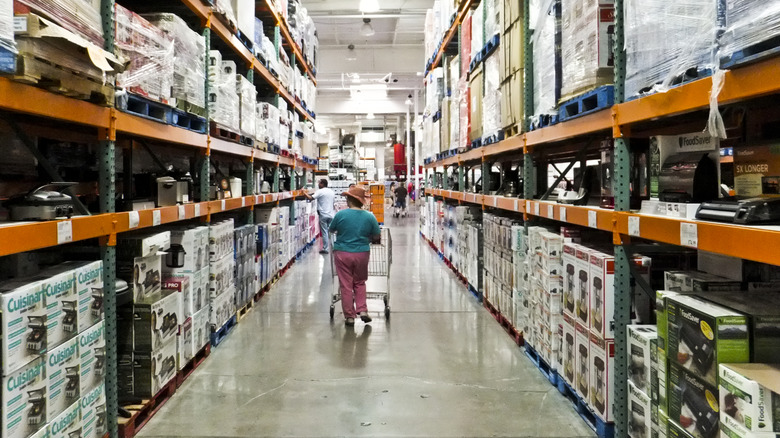
Costco carries numerous home goods with stellar reviews, from lifelike faux greenery to Pyrex bowls with vintage-inspired tinted glass. And if a product you purchased doesn't work out, there's a very good chance that Costco will refund your money. The warehouse store offers a satisfaction guarantee for all of its merchandise, as well as a generous return policy. Though the return window is 90 days for many electronics and appliances, you can take most other items back to the store for a full refund at any time, including furniture, mattresses, and home decor. These products don't just evaporate once you hand them to a Costco employee, though. Many non-perishable goods are returned to shelves. Where those shelves are located depends on the item's condition — in particular, whether its packaging has been opened.
If sustainability and waste reduction are priorities for your household, figuring out what happens to your returned merchandise matters. Case in point: Amazon donates or refurbishes many items customers send back, but it's not uncommon for returns to make their way to landfills. In other words, keeping an unwanted item is sometimes the best choice. This diverts it from a landfill for some time and eliminates fossil fuel emissions that would result when shipping the product back to Amazon. Fortunately, many Costco returns dodge the dumpster. Returned merchandise gets sent to a processing center for inspection. At this site, Costco decides whether to return the item to the manufacturer, sell it to a liquidator, or throw it away. When you return a product in original, unopened packaging, it's likely to go back to a warehouse sales floor — with a few exceptions.
How Costco's returns processing centers work
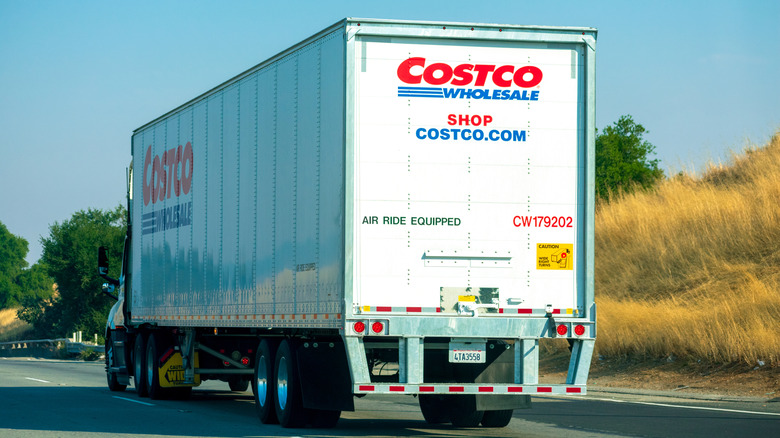
Costco inspects and processes returned goods at a dozen huge warehouses designed for this purpose. Transporting merchandise affects Costco's bottom line, so the company places its returns centers in areas that keep fuel costs and related expenses low. After sorting returned items into categories such as clothes and linens, appliances, and electronics, employees give each one a grade that reflects the condition of the product and its packaging. Unopened, unused merchandise typically goes back to store shelves. So do many goods that haven't been used but have been opened. Repackaging these goods is common. If an item has been through a returns center, it's likely to receive a modest markdown.
Merchandise that shows signs of use or damage usually gets liquidated. Liquidity Services, the company behind Liquidation.com, and similar businesses retrieve massive collections of Costco returns and bring them to a different realm of the retail world: the resale market. Some get listed on eBay, others head to flea markets, and many end up at bin shops, retailers that lure bargain hunters by selling liquidated merchandise at thrift-store prices. B-Stock Solutions also liquidates lots of Costco merchandise at auctions. Goods that pose safety hazards or extremely damaged aren't offered to consumers again. They may end up in landfills if their parts can't be recycled. Since Costco is a big company and makes returns easy for customers, it produces lots of waste. However, a large percentage of this waste is food, not non-perishable home goods. Unless that air fryer or area rug you are returning is unsalvageable, it's likely to get another shot at landing in someone's shopping cart.