

10 Flowers You Can Sow In The Winter For A Garden Bursting With Blooms Next Spring
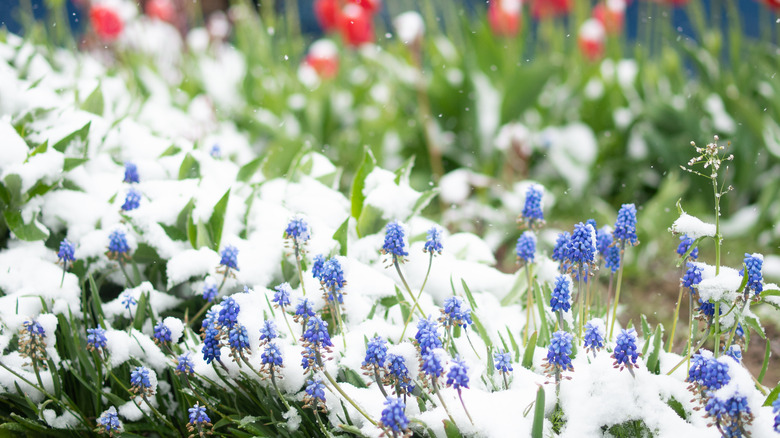
As you're planning your spring garden, one of the first things you'll need to figure out is which plants you want to grow. You may want to consider growing 'Iron Butterfly,' the 2026 plant of the year, for example — but that won't be ready to bloom until summer. If you want your garden to burst into life right at the start of spring and stay vibrant all through the season, then your best bet is to plant flowers in winter that bloom from March through May.
Not all plants can be started in winter, unless you have a greenhouse or you're willing to dedicate a few of your sunniest windowsills to seedling starter pots. In general, you should avoid planting tropical plants or other cold-sensitive flowers in winter. The lower temperatures could slow their growth or even kill them, depending on the plant and your local climate. The plants that do benefit from being planted in winter are typically those that need cold temperatures in order to properly germinate and grow. Even these plants have their limits, though! If the plant isn't hardy in your USDA zone, wait for the weather to warm up or grow them in a container instead. You should also consider planting them in containers if there's already snow on the ground. Not only is this better for your plants, but it'll save you from having to dig through snow and frozen soil.
Forsythias
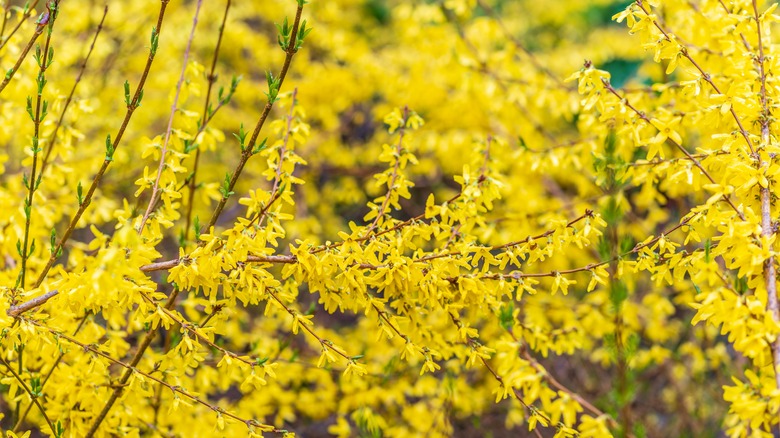
One of the earliest blooming shrubs, forsythias (Forsythia spp.) are hardy in USDA zones 5 through 9, and they have a fairly flexible planting time. While you can plant these shrubs in October for spring flowers, they're also hardy enough to survive a winter planting as long as the ground isn't frozen. They are considered invasive in some areas, though, so take care when planting them. If you plan on keeping your forsythia shrub small, you can grow it in a container to reduce the risk of it spreading.
Snowdrops
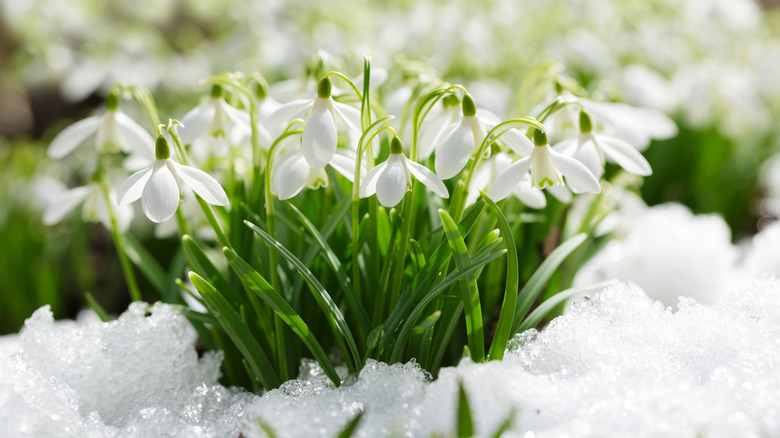
While snowdrops (Galanthus nivalis) should ideally be planted in fall, you still have time to get them in the ground if it hasn't frozen solid yet. These sweet-looking flowers need a deep freeze in order to bloom, and they're hardy in USDA zones 3 through 7. The temperature needs to drop well below freezing, so be sure to plant them before the coldest nights or winter have arrived. Doing so will help ensure you see snowdrops blooming in late winter to early spring, bridging the gap between the two seasons as your garden starts to slowly wake back up.
Larkspurs
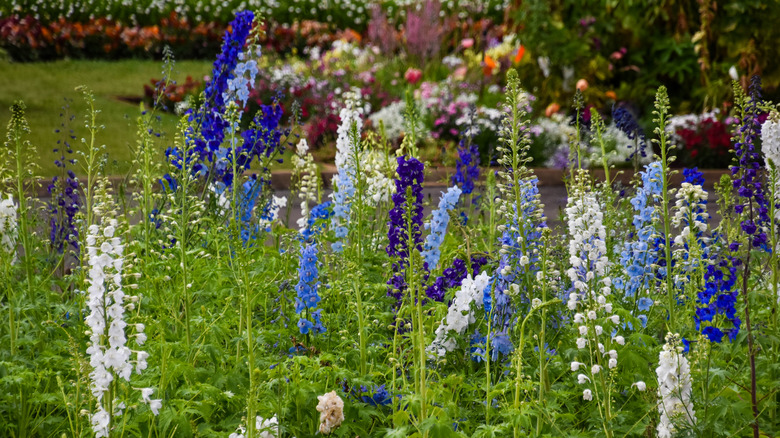
Larkspur (Delphinium spp.) is often planted in fall, but you can also plant it about a month to a month and a half before the last frost of the year. Depending on where you live, this may be early spring or late winter. There are also larkspur varieties hardy to almost every zone in the U.S., from USDA zones 2 through 11. Just like snowdrops cover the transition from winter to spring, larkspurs help ease your spring garden into summer. They aren't early blooming, but their flowers start appearing in late spring and typically last through summer.
Tulips
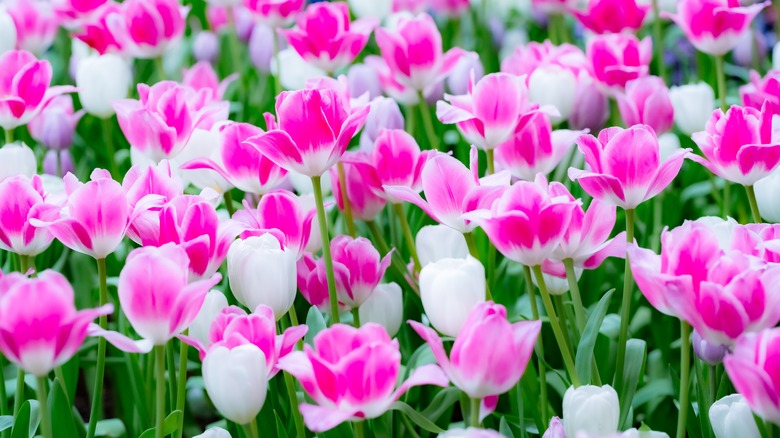
Tulips (Tulipa spp.) are classic spring flowers that can be grown in USDA zones 3 through 7. While you can plant tulips in November for winter color, you may be able to plant them in December in some areas. Tulips should be planted a couple weeks before the ground freezes, but can't be planted when the soil is still warm. In hotter regions, where the ground doesn't freeze until mid-winter, tulips can be planted in December or early January. Check your local weather to make sure you get them in the ground in time.
Violas
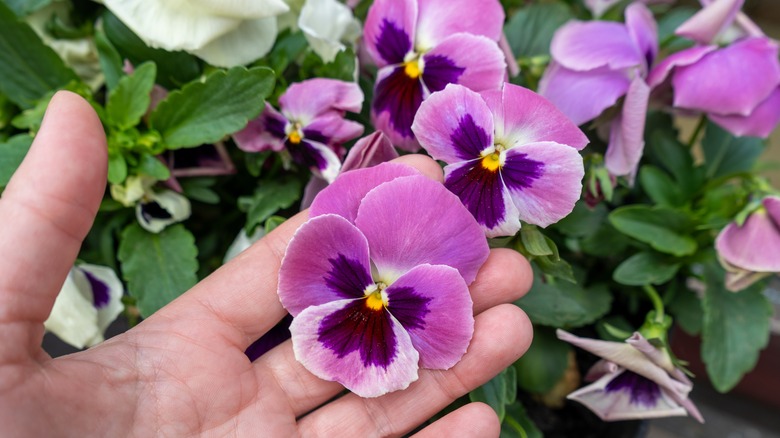
When it comes to violas (Viola spp.), heat is often a bigger issue than cold. These cool-weather flowers are hardy in USDA zones 3 through 9 and can tolerate cold winter temperatures, provided you give them a bit of extra protection. Plant your violas in late winter or early spring, when the weather is still cold but not harsh. A late fall to early winter planting will also work, especially in areas with mild winters. Just be sure you're growing a spring-blooming species if you want to see flowers early in the year, as some types of violas bloom later.
Daffodils
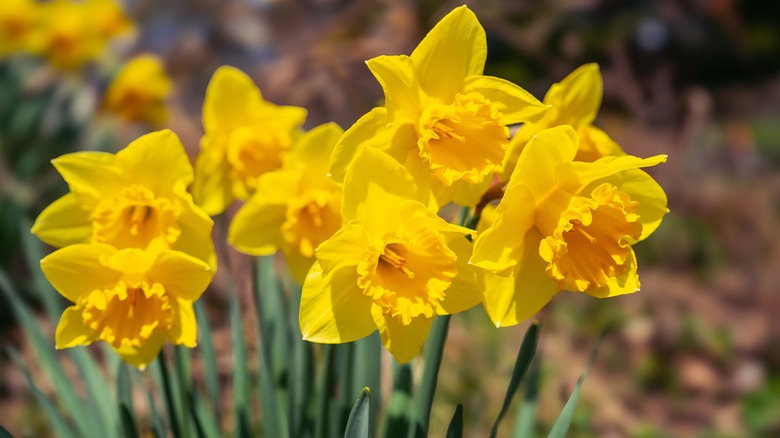
Cheerful yellow daffodils (Narcissus spp.) are the heralds of spring throughout much of the U.S., so you'll definitely want to get your bulbs planted before the warmer weather arrives. Plant them in early winter, but don't wait too long! While they're extraordinarily cold hardy and won't be bothered by a mid-winter freeze, they need two to three months of cold weather before they can bloom. If you're planting them in mid or late winter, they may not have enough exposure to the cold to grow properly. Daffodils are winter hardy in USDA zones 3 through 9.
Crocuses
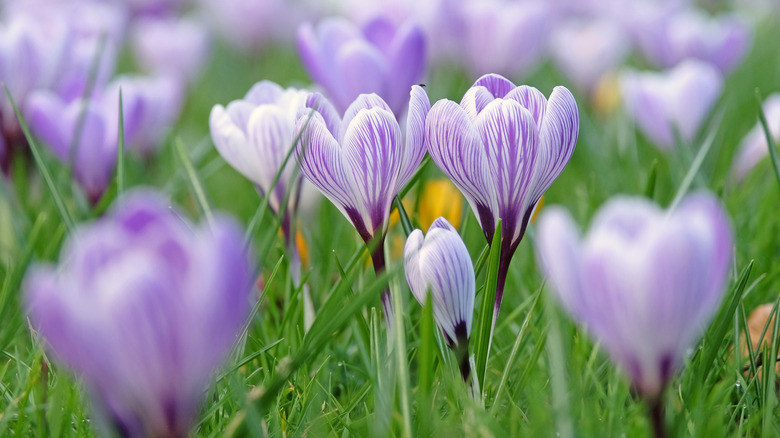
Crocus (Crocus spp.) bulbs love cold winter weather, and they're best planted in fall or early winter. You should plant them before the first heavy freeze of the year arrives for the best results, but crocuses can be planted a bit later than that. If you can work the ground, you can plant them through late December. However, you might see a slight delay in their bloom time. They're hardy in USDA zones 3 through 8; plant them in early December at the latest to see your flowers on time!
Dianthus flowers
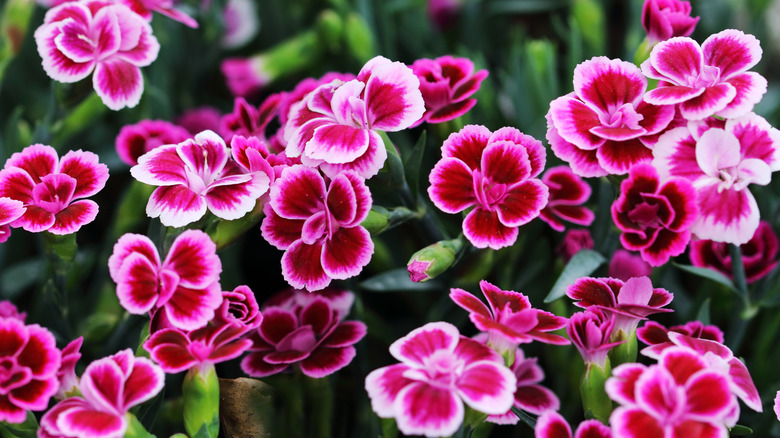
Dianthus flowers (Dianthus spp.) are excellent choices for mid-spring to summer or even fall blooms, and they're hardy to USDA zones 4 through 9. Some dianthus varieties can be planted in winter, but not all of them. If you're growing a biennial dianthus (which means that it doesn't bloom until its second year), then it needs to be planted in fall. Dianthus plants that bloom in their first year can be planted in late winter. The exact timing will depend on your local weather — check the date of your expected last frost and plant your dianthuses a month before it.
Lily of the valley flowers
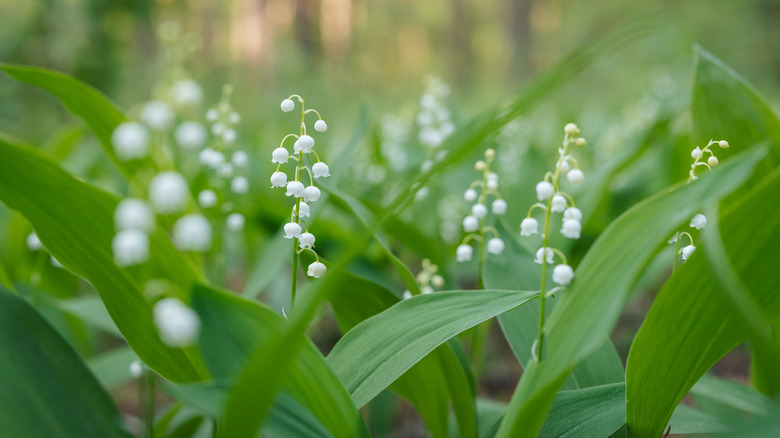
As with other spring-blooming bulbs, lily of the valley flowers (Convallaria majalis) should be planted before the ground freezes. This ensures they get all the cold weather they need to thrive. While they aren't as early blooming as crocuses or snowdrops, lily of the valley plants bloom in early to mid-spring, filling your garden with their delicate bell-shaped flowers. Despite how fragile these flowers look, the bulbs themselves are surprisingly hardy and can be grown in USDA zones 5 through 8. Just be warned — lily of the valley is highly poisonous to humans, so plant with care if you have children in your home.
Grape hyacinth
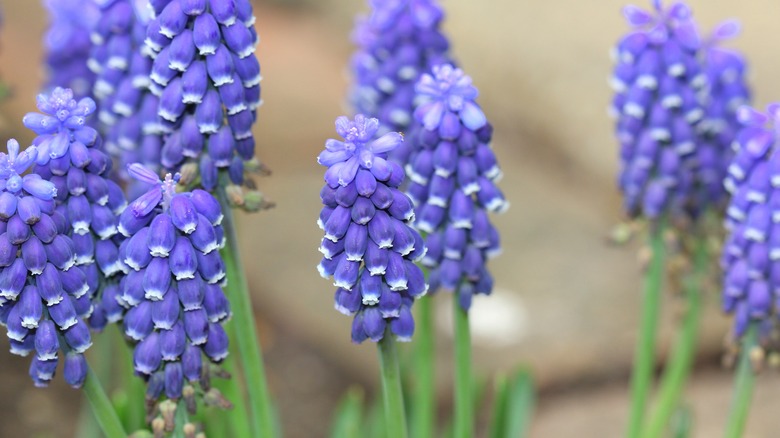
Tiny grape hyacinths (Muscari armeniacum) look adorable standing between your daffodils and tulips, and you can plant them at roughly the same time and in the same USDA zones – 3 through 9. While most people prefer to plant them in fall, you can actually add these bulbs to your garden during winter as long as the ground hasn't frozen yet. In the most southern states, you may be able to plant your grape hyacinths as late as January. December may be better, though, as it would give your flowers a little more time to grow their roots.