

12 Shrubs And Flowers To Plant In October For A Showstopping Spring Garden Of Color
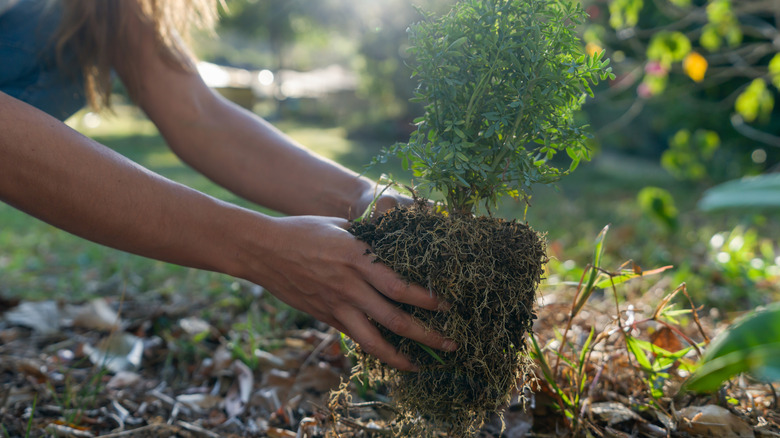
The best home gardens are the ones that deliver color in waves throughout each season. You want early spring color that helps you banish winter blues, popping bursts of bright, bold blossoms in summer, and a steady flow of rich, earthy tones in fall. Even in winter, there are some shrubs that can deliver stems that provide a subtle bit of brightness to banish the gloominess from too many gray days. By considering flowering windows when planting, including early risers and late bloomers, your landscape beds will never look bare or boring at any time of the year.
So, while you might not feel particularly inspired in autumn to go out and think of spring, this is actually the best time to do so. What to plant in the fall can feel daunting, but grab your garden gloves and start making some space because planning now for next year's color is easier than you think. October's warm soil gives shrubs the perfect head start for root growth before winter's chill. Cooler daytime temperatures help plants better hold onto moisture, reducing stress and preventing drought as they establish themselves. Just like these 12 perennials you can plant this fall for spectacular spring blooms, you can plant these 12 shrubs and flowers in October to amplify the spring show that wakes you out of your winter hibernation.
Azalea
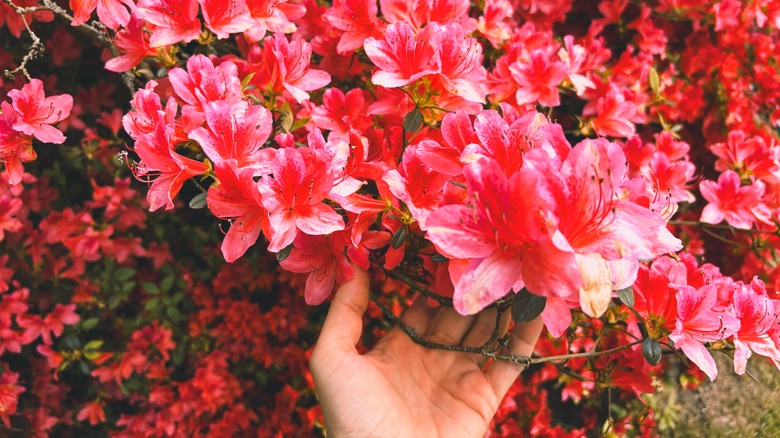
Not much brings powerful punches of bright color like azaleas. They come in so many eye-popping hues that they never get old. Whether you're looking to brighten garden beds or create stunning bouquets in zones 5 to 8, these shrubs deliver. They thrive best in partial sun with well-draining, nutrient-rich soil, but give them plenty of moisture to keep their blooms vibrant. Too much direct sunlight can scorch their delicate flowers, so a bit of afternoon shade works well. Easy to grow and versatile, today's improved varieties like the Perfecto Mundo and Encore series are even resistant to pests and diseases.
Camellia
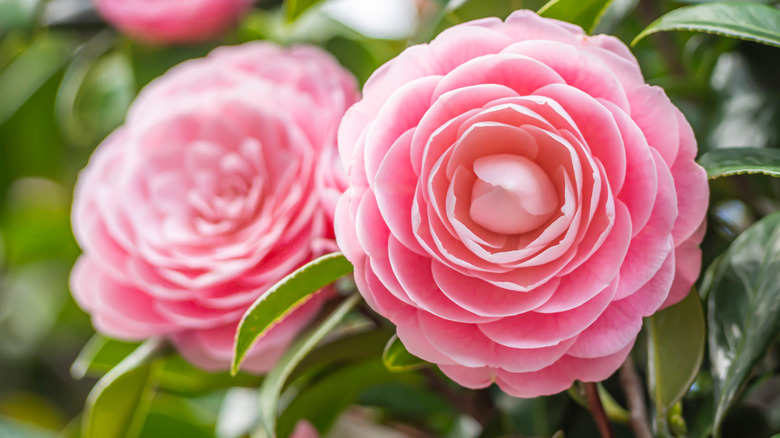
Eager for something more roselike? Camellias are evergreen showstoppers, flaunting bigger blooms that can brighten your garden in spring. Available in classic shades of red, pink, and white, these shrubs thrive in partial shade with well-draining, nutrient-rich soil. They grow up to 20 feet wide and tall, so a little pruning helps keep them neat and manageable. New growth often shows burgundy hues, adding color even when the flowers aren't out. Ideal for warmer climates in zones 7 to 9, camellias bring charm and deer resistance to home landscapes.
Chinese fringe flower
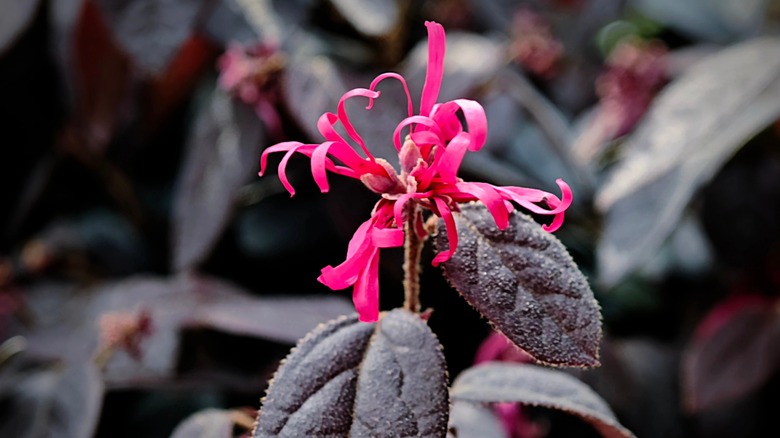
Chinese fringe flower (Loropetalum) is the garden's answer to year-round drama, bold spring color, and elegant shape. Its airy blooms unfurl in shades of white or pink in late winter and spring, sometimes with a bonus flush in autumn. Choose from vibrant varieties with purple or green foliage, each adding texture and interest to home landscapes in zones 7 to 9. This versatile shrub thrives in full sun to part shade and shrugs off drought once established. It also handles pruning quite well.
Forsythia
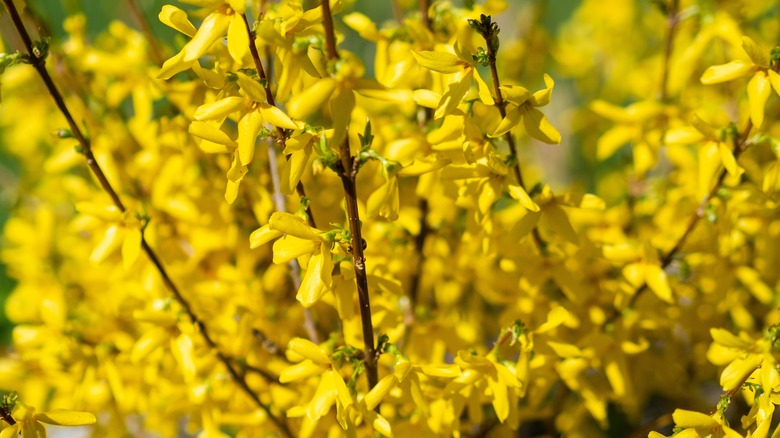
Are you a fan of sunshine yellow? Forsythia commands attention in zones 5 to 9 like no other shrub, bursting into spring with radiant yellow blossoms that seem to light up the entire yard. Its long, arching branches reach toward the sky, creating a bold presence. Come autumn, its leaves transform into a deep purple, adding seasonal drama. Tough as nails, forsythia bucks drought and neglect with stubborn resilience. This shrub can grow up to 15 feet tall, so make sure you give it room to shine.
Hellebore
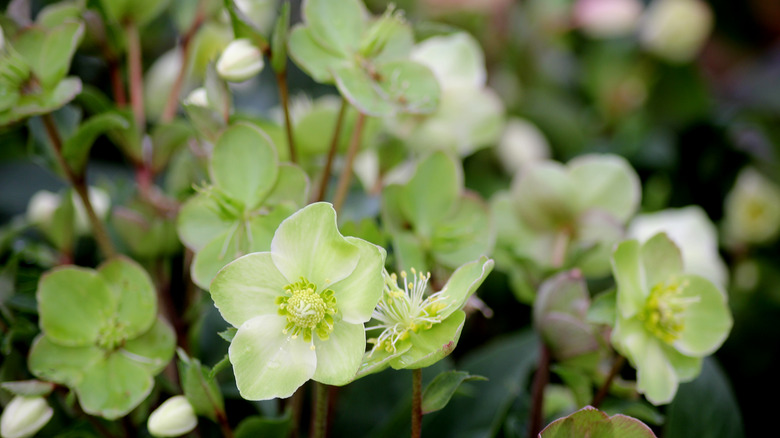
Shade gardens deserve love, too. Helleborus, often called hellebore or the Lenten rose, is a shade-loving plant that blooms in late winter to early spring, bringing early color when most gardens are still asleep. It is one of the first flowers of the season, in fact. The cup-shaped flowers come in shades of white, pink, purple, and green, often with unique patterns like spots or freckles. These hardy plants prefer well-draining soil rich in organic matter and partial to full shade, and they thrive in woodland-like settings. Hellebore also offers evergreen, leathery foliage that adds year-round interest in zones 4 to 9.
Japanese Spirea
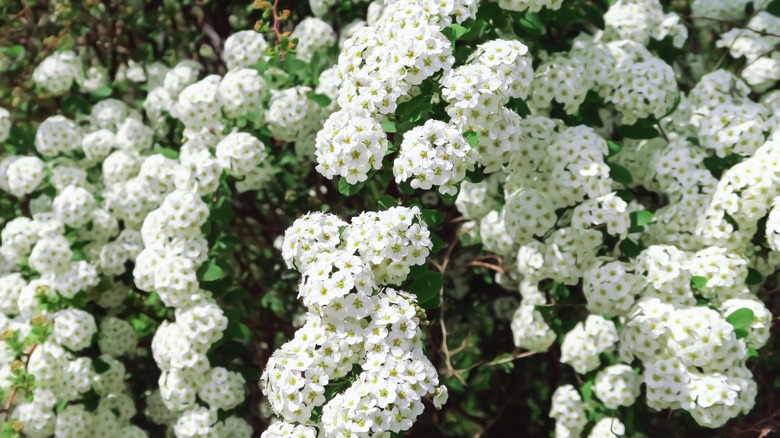
Japanese spirea (Spiraea japonica) will be your favorite thanks to its dense, compact form and vibrant flower clusters. In late spring and summer, it bursts into pink or white blooms, brightening any garden in zones 4 to 7. This fast-growing shrub offers delightful fall color in tangerines, coppers, and golds, making it a multi-season showpiece. Tolerant of various soils and partial to full sun, Japanese spirea is also a low-maintenance shrub with butterfly appeal.
Lilac
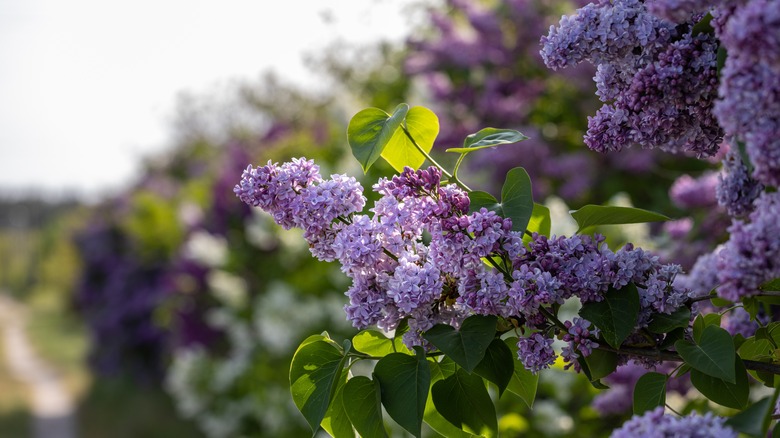
Feeling like an invigorating scent of perfume in spring? Then plant deer-resistant lilacs. Not only are they the quintessential spring shrub for their splash of color, but they are also beloved for their enchanting fragrance. Plant them in soil that drains well because lilacs hate soggy roots. You can find lilacs in a variety of hues, from soft purples ('Bloomerang Dark Purple') and delicate pinks ('Baby Kim') to crisp whites ('Bloomerang Showmound'), perfect for adding charm to any garden path. Plant in full sun in zones 2 to 5 for the best floral show, and prune right after the flowers fade to keep them healthy and blooming.
Mock orange
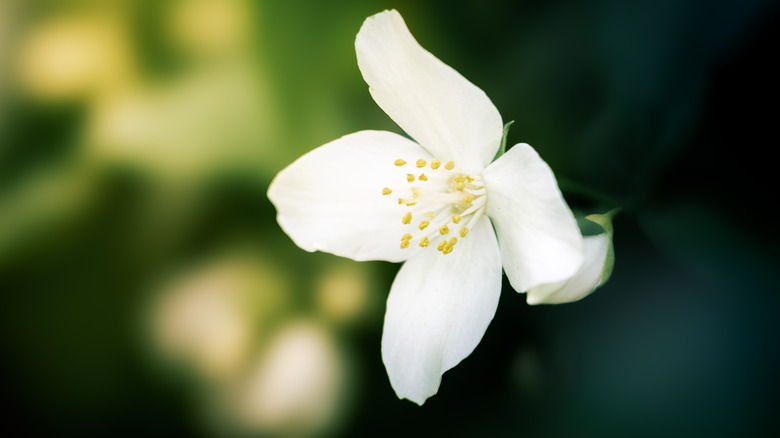
Mock orange (Philadelphus) is a classic garden favorite known for its wonderfully fragrant white blooms that perfume the air from late spring into early summer in zones 3 to 9. This hardy shrub thrives in full sun to partial shade and prefers moist, well-draining soil. With graceful, arching branches and lush dark green leaves, mock orange is easy to grow and maintain. It just needs a little pruning after flowering, and you'll enjoy its citrus-scented blossoms year after year, along with the buzzing of pollinators attracted to its sweet perfume.
Star magnolia
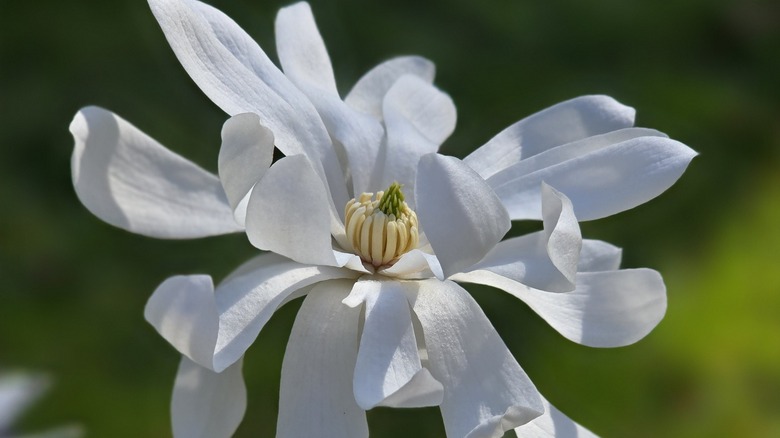
Sometimes, you're just looking for a garden star to shine the way forward in spring, and the star magnolia (Magnolia stellata) does just that with its giant, fragrant, star-shaped white blooms that burst open in late winter to early spring. It tops out around 15 to 20 feet tall and 10 to 15 feet wide. Its blooms often arrive before leaves, making it one of the earliest flowering magnolias. Foliage starts off bronze and matures to deep green before turning gold in autumn. Plant it in a protected spot in zones 4 to 9 to shield its delicate flowers from spring frost.
Viburnum
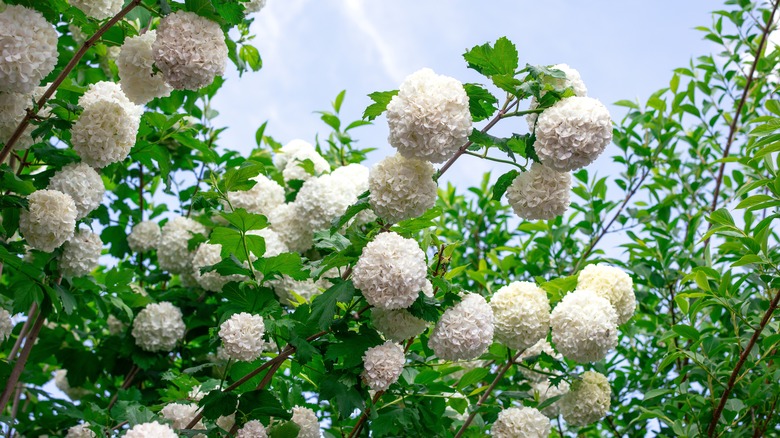
Viburnum is a striking spring bloomer known for its clusters of delicate, star-shaped flowers that come in soft shades of pink ('Sweet Talker') and white ('Spice Cowboy'). This shrub fills the garden with a sweet and slightly spicy fragrance, making it a sensory delight in addition to a visually stunning one. Viburnums thrive in full sun in zones 3 to 10 with well-draining soil, and they can grow between 1 to 2 feet a year, reaching heights of up to 15 feet depending on the variety. Their sturdy build, vibrant blossoms, and colorful berries make them excellent for privacy screens or focal points.
Virginia sweetspire
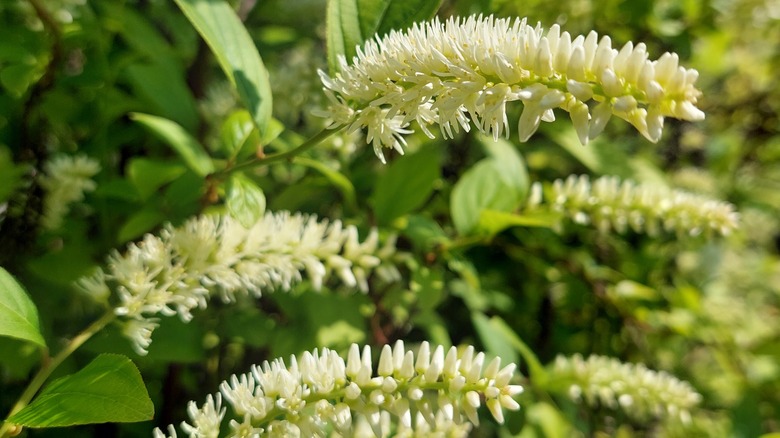
Do you have wet spots you tend to struggle with in your garden? Virginia sweetspire (Itea virginica) is a native shrub that brings beauty and resilience to a wide range of gardens. It thrives in moist spots with its arching branches and lush, mid-sized form. In late spring, sweetspire covers itself in fragrant, white, long flower clusters that attract pollinators and fill the air with a soft scent. Come fall, its leaves blaze in fiery reds, oranges, and purples, carrying color well into winter. This low-maintenance shrub provides both wildlife habitat and long seasons of interest in zones 5 to 9. Try 'Scentlandia' for deer resistance.
Weigela
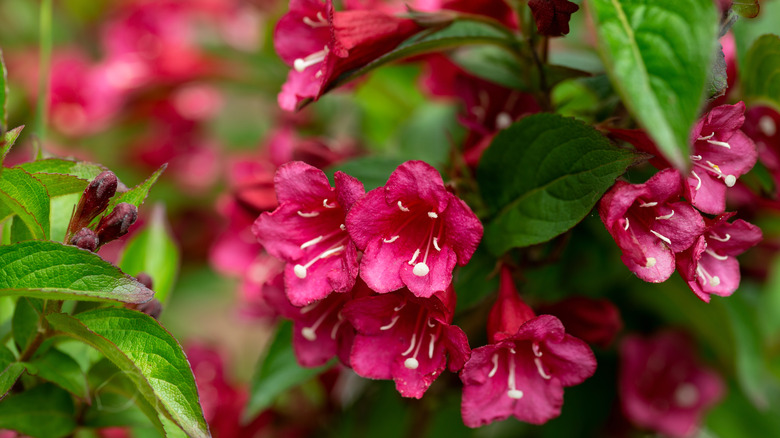
Weigela is a charming deciduous shrub that easily wins hearts in zones 4 to 8 with its profuse clusters of tubular flowers in shades of pink, red, white, and even yellow. Blooming mostly in spring, with a few varieties putting on a scattered show later in the season, it is a magnet for hummingbirds and butterflies. Thriving in full sun to part shade, Weigela's arching branches and variegated leaves (depending on the variety) add a lovely texture to gardens. What's more, it is low-maintenance.