

18 Things You Should Start Adding To Your Mop Water For Squeaky Clean Floors

Kitchens, bathrooms, and other frequently visited rooms need to be mopped at least once a week to prevent germs and grime from getting out of hand in your home. The good news is that removing this buildup regularly may prevent damage to your floors and reduce the number of deep cleans required. All in all, this can save you time, energy, and money. Mop water add-ins that make these cleaning sessions as effective as possible could reduce your floor-scrubbing time even more in the long run. Several products you may already have in your pantry or medicine cabinet, like dish soap, rubbing alcohol, and powdered laundry detergent, can take your mopping to the next level. Success hinges on a few factors, including the type of flooring you're cleaning, your mopping technique, and ingredient ratios, especially when it comes to diluting soaps and disinfecting agents.
Speaking of disinfecting agents, you can use ammonia to mop your kitchen floors or even clean floors throughout your house with bleach, but both of these chemicals are quite harsh. They might irritate your eyes or respiratory system, plus they're not great for the environment and can damage some surfaces. Each comes with its own set of perks and precautions, and some of these ingredients make a marvelous team in your mop bucket. That said, be careful about chemical reactions. Make sure not to combine vinegar and peroxide, which produces a dangerously corrosive acid, and never mix bleach with ammonia, vinegar, rubbing alcohol, or hydrogen peroxide, which results in hazardous gases.
Dish soap does away with dirt and grease
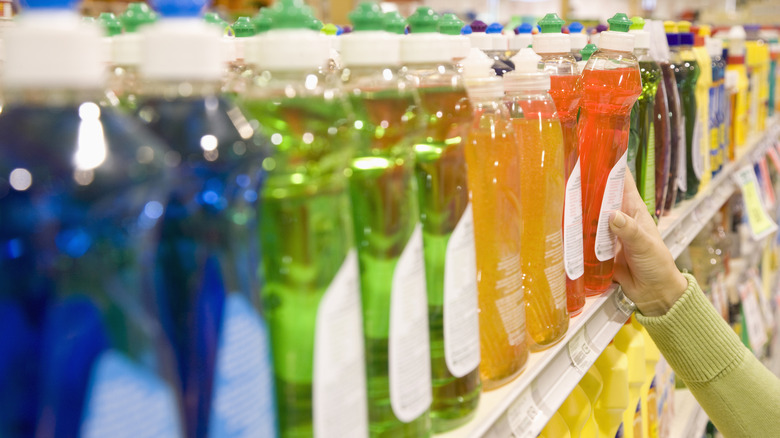
Dish soap is designed to remove grease and other food residue, which build up on floors as well as dishes. It's also good at dealing with dirt on laminate, vinyl, and several materials commonly used in tiles, including ceramic and linoleum. Just don't use too much of it, which is likely to leave a film on your floor. Aim for five or six drops of dish soap for each gallon of water in your mop bucket, and rinse the floor with hot, soap-free water after doing a sudsy scrub.
Vinegar's tough on grime but mild enough for many floors
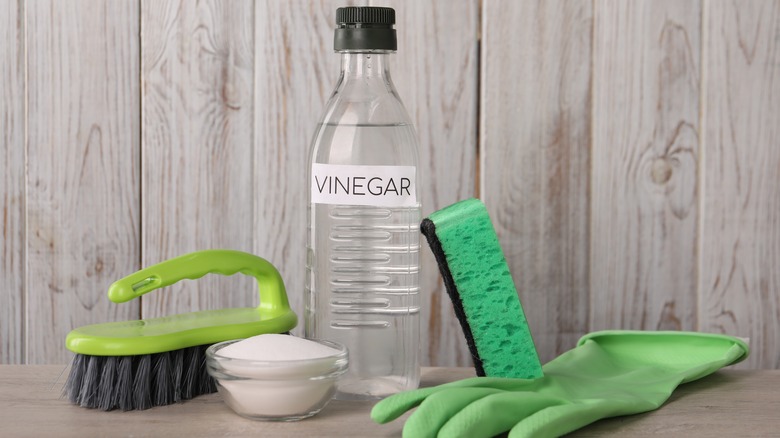
Unlike dish soap, vinegar doesn't need to be rinsed off of your floors, and it brings grease-busting acetic acid to the mopping party. Vinegar is best suited for super-hard surfaces such as tile. It's crucial to dilute it, though, or it may damage stone tiles or the top layer of laminate flooring. For best results, mix a gallon of water into every ½ cup of vinegar in your mop bucket. Also avoid using vinegar on hardwood surfaces, as it's considered too acidic for them to handle.
Baking soda erases stains from tile and vinyl
Baking soda neutralizes odors like a champ, which is handy when mopping filthy floors, and its ability to gently scrape away stains and goo is just as useful. It's mildly abrasive thanks to the crystalline shape of its particles. Since waxed and hardwood floors aren't fond of even a light scratching, choose something else for making them super-duper clean. Baking soda's a great match for tile and vinyl, though, and it pairs nicely with essential oils. Add ½ cup of this powdery power-up to each gallon of warm water in your mop bucket.
Alka-Seltzer can also make stains disappear
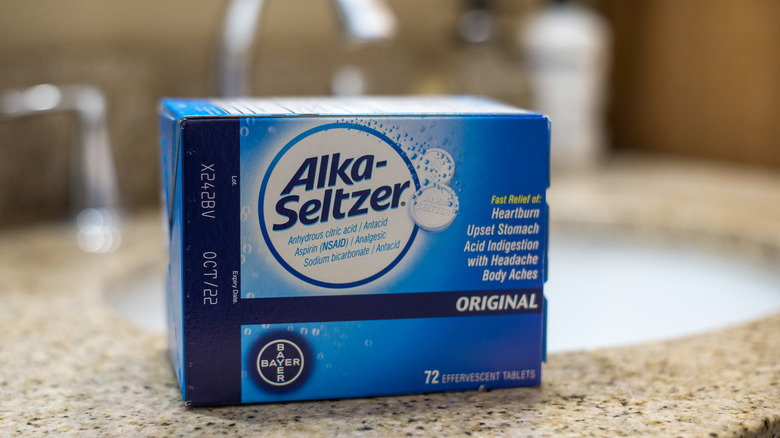
Though it's best known as a stomachache-soothing blend of sodium bicarbonate, citric acid, and aspirin, Alka-Seltzer is also a great remedy for floors that need cleaning. In addition to removing stubborn stains from tile and grout, these effervescent tablets release a fresh scent when dropped in water. In general, an Alka-Seltzer solution is fine for mopping laminate and vinyl, but test it on a small patch of flooring first if you're feeling anxious. Dissolve two tablets in every gallon of water you're using, and make sure the water is warm but not piping hot.
Lemon juice cuts through dull, sticky films on floors
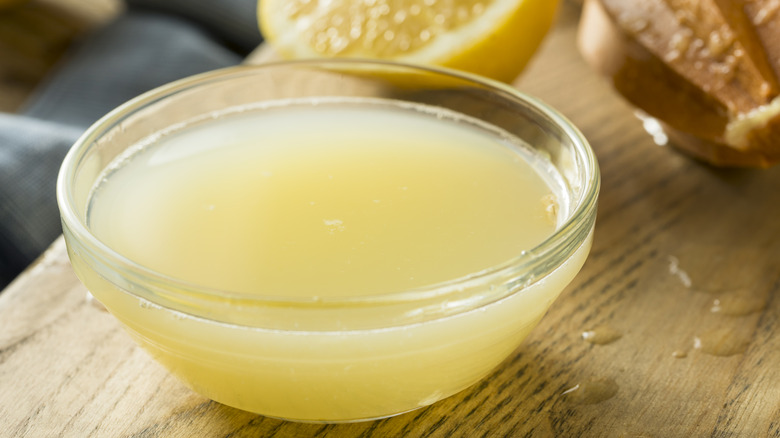
Lemon juice is loaded with citric acid that cuts through the film that accumulates on many floors. In addition to making floors look dull, this film can become a magnet for dirt and allergens, so less residue equals less dust and pollen in your home. Add the juice from one or two lemons to a bucket of warm water and you'll have enough citric acid to defeat this layer of gunk. As an added bonus, the juice adds a bright scent to your living space and leaves behind very little sticky residue.
Lemon peels and mint leaves smell amazing and fight filth

Want the best-smelling floors on the block? Lemon peels and mint leaves are an aromatic match made in heaven, and they offer several other benefits to your mop water. Like lemon juice, lemon peels contain grease-busting acetic acid, which you can unlock by tossing them in boiling water. Add a handful of mint leaves for a burst of freshness and a bit of microbe-fighting power. After your mop-water "tea" is done steeping, let it cool and pour it in your bucket, perhaps with a bit of vinegar.
Tea tree oil is both aromatic and antimicrobial
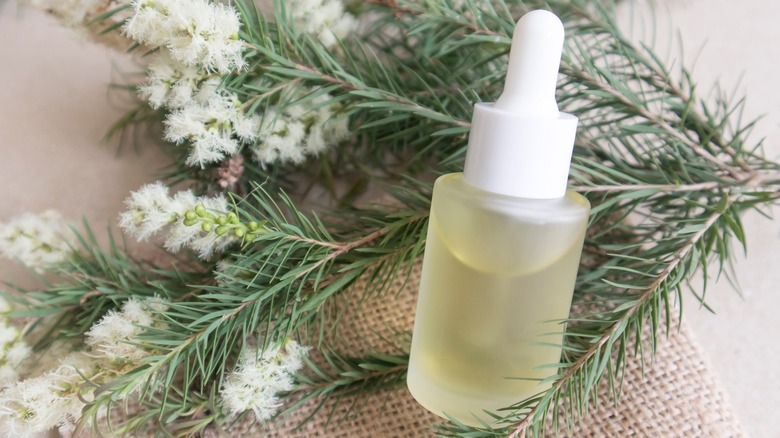
Tea tree oil is thought to kill a range of viruses, fungi, and bacteria, so adding it to your mop bucket might ease your mind if you're prone to worrying about germs. Many people enjoy its herbaceous, camphor-like scent, but if you're not one of them, you can balance it out with another essential oil such as peppermint, which also offers some protection against bad bacteria. For mopping, ¼ cup of tea tree oil for every gallon of water is the right ratio — this should disinfect your floors without leaving behind much residue.
Rubbing alcohol goes to town on germs
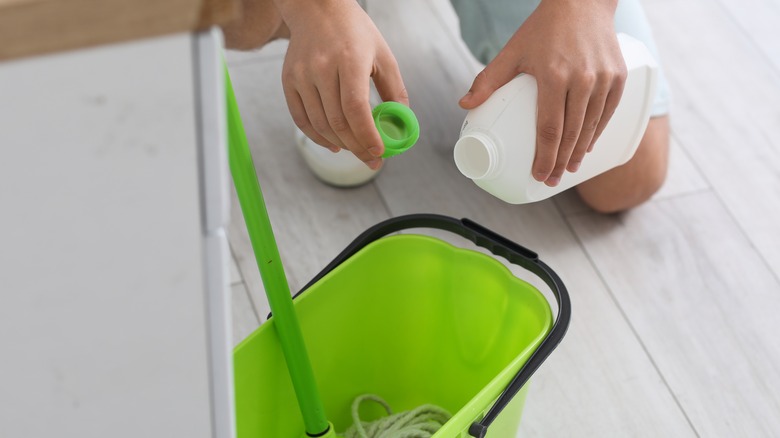
Also known as isopropyl alcohol, rubbing alcohol gives hand sanitizer gel the ability to vanquish coronavirus. It can also kill all kinds of germs that have gathered on your floors if you pour a cup of it into every gallon of your mop water. In addition to halting viral invaders, it's skilled at killing illness-causing bacteria and fungi. Plus, it's safe to use on sealed tiles, hardwood planks, and flooring made of laminate or luxury vinyl. Avoid rinsing your floor after mopping with diluted rubbing alcohol and you'll get even more germ protection.
Cinnamon makes ants head for the hills

Add cinnamon to your mop water if you've spotted ants in your house or have a lot of ant hills on your property. Using cinnamon-scented mop water is an easy way to swathe large sections of your home in a scent ants despise and many humans adore. These pests will do everything they can to escape the area if they catch a whiff of the baking spice, which throws off their ability to communicate and find food. For added ant deterrence, wipe the areas around doors and windows with your cinnamon-spiced cleaning liquid.
Borax fights stains, mold, and pests

Like baking soda, borax is a mildly abrasive powder that lifts stubborn stains. It also comes with a very handy bonus: pest control. Borax is extremely effective at killing cockroaches, ants, and a variety of other pests that might try to infest your home. If you're sick of calling the exterminator, it's a worthy addition to your mop bucket. In addition to getting rid of bugs and bacteria, borax can slow the growth of mold and mildew, helping your home smell as nice as can be. Use ⅛ cup of borax per gallon of water.
Fabric softener makes the job a little bit easier
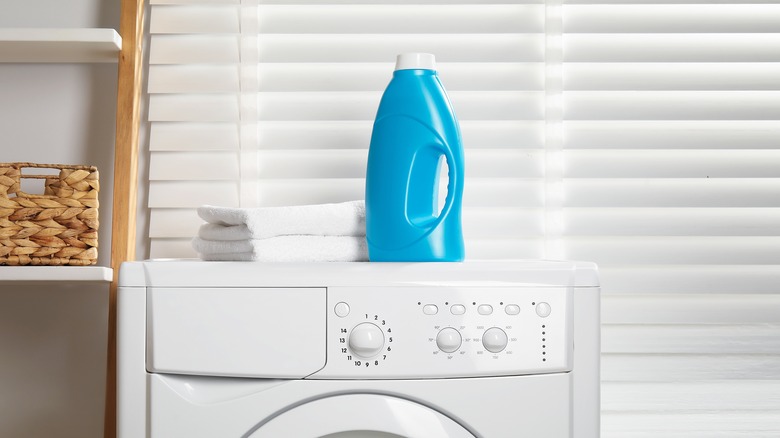
The fabric softener in your laundry room could make mopping your floors easier and restore your linoleum's shine. Its lubricating agents decrease the amount of friction between your floor and your mop. This means that less elbow grease is needed to buff away stains and push the mop around. Fabric softener also decreases static electricity, a known dust magnet, so it might keep your floors from attracting these particles as quickly as they would otherwise. You may even be fond of its scent, which many people associate with freshly laundered sheets.
Powdered laundry detergent can stretch your budget
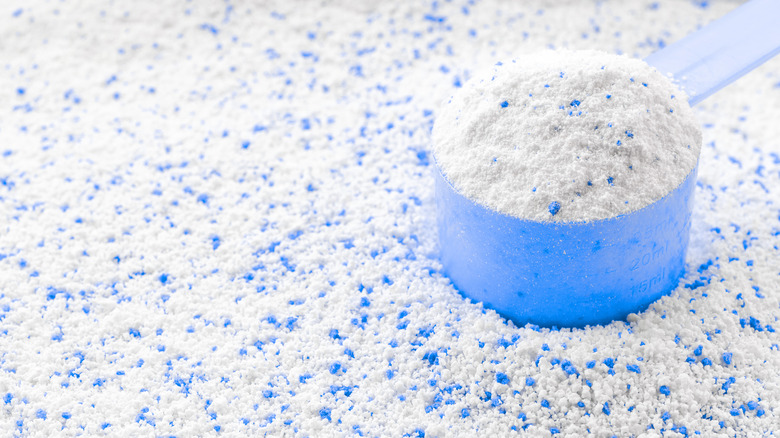
When it comes to mopping floors, powdered laundry detergent is both effective and cost-effective. Just a teaspoon offers enough cleaning power for an entire bucket of mop water. Plus, these granules tend to be less expensive than liquid laundry soap. Be sure the water is nice and hot when using powdered laundry detergent, as it doesn't work as well in cold temperatures. If you keep your mop head barely damp rather than sopping wet, you can use this powder-infused water on linoleum, vinyl, laminate, tile, and both engineered wood and hardwood flooring.
Window cleaner removes streaks beautifully

Have spray left over from wiping down windows and mirrors? Put it in your mop bucket. In addition to erasing smudges from your glass surfaces, it will remove streaks from ceramic tiles and laminate. Pour equal parts of window cleaner and warm water into your bucket when mopping ceramic surfaces, and use a larger proportion of water when cleaning laminate. In general, it's better to err on the side of adding too little of a cleaning agent, as adding too much can lead to residue that feels gross underfoot and makes dirt cling to your floors.
Black tea works like a charm on hardwood floors
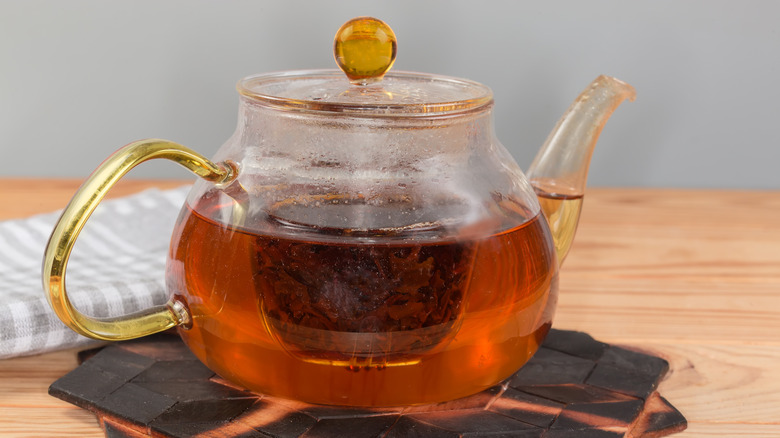
Surprisingly enough, black tea can clean hardwood floors, bring back their shine, and even make scratches less noticeable. What's more, it discourages problem-causing microbes from setting up shop where you walk. All of these benefits stem from tannins found in the tea leaves. Steep four bags of black tea in a quart of boiling water, let the liquid cool completely, and then dip a microfiber mop in it. To prevent too much water from touching your hardwoods, wring out the mop so it's slightly moist before gliding it across the floorboards.
Lysol can clean and disinfect several types of flooring
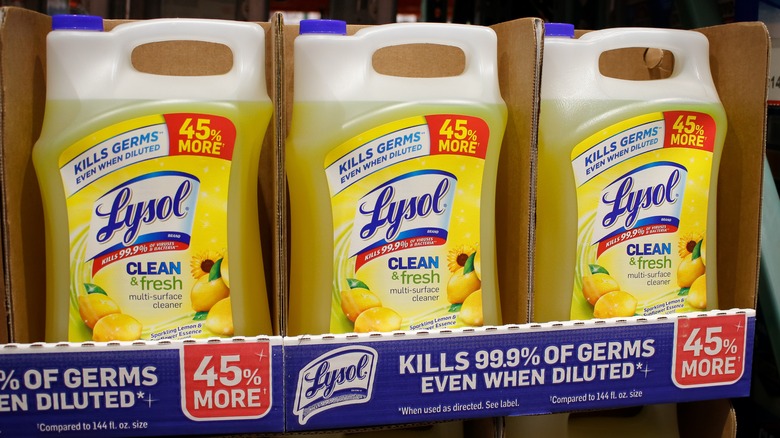
Though Lysol Multi-Surface Cleaner isn't specifically designed for wood floors, it can be used for standard weekly mopping as well as periodic disinfecting. According to the brand's website, putting ¼ cup of the stuff in each gallon of mop water is suitable for general-purpose cleanup, and using it at full strength — by following the directions on the package — is ideal for killing germs. This product can also be added to mop water for linoleum and porcelain tiles; just be sure to do a clear-water rinse after mopping with full-strength Lysol.
Castile soap is gentle on floors and the planet
A mere teaspoon of plant-based castile soap — say, Dr. Bronner's Pure-Castile Magic Liquid Soap – offers plenty of punch for a pail of mop water. This cleaner is gentle enough for unwaxed hardwoods but also a good fit for solid stone and laminate. According to The Maids, it's best to wash away buildup with a vinegar solution first, then mop with diluted castile soap, and then finish with a rinse. Castile soaps infused with essential oils are easy to find, or you can add refreshing eucalyptus oil to an unscented version.
Murphy Oil Soap isn't just for wood
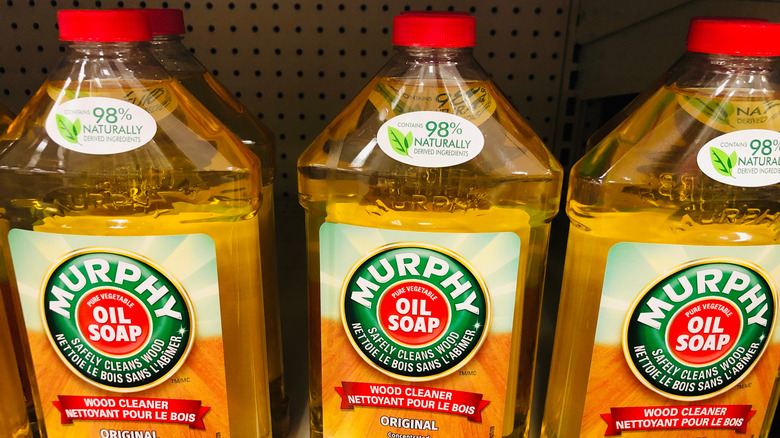
Whether you have tile, linoleum, or hardwood floors, Murphy Oil Soap Concentrated Wood Cleaner can make your mopping more effective. Like castile soap, it's primarily composed of plant-based ingredients. It's also formulated to bring out the shine in wood and other surfaces. For garden-variety mopping, dilute every ¼ cup of Murphy Oil Soap with a gallon of water. For deep cleaning, double the amount of soap. Murphy Oil Soap comes with a few added bonuses, too: First, you don't need to rinse your floor after mopping with it, and second, it smells like a citronella candle.
Vegetable oil helps wood floors gleam
A humble bottle of vegetable oil can also help your floors shine. It's especially good at making wood floors gleam when combined with vinegar. In general, using the same amount of each ingredient works well, but you may need to reduce the amount of oil you use if you notice any slickness on your floor after using the mixture. For best results, place the oil-and-vinegar blend in a spray bottle, spritz the floor with it, mop up the liquid, and then rub the floor with a dry mop to bring out as much shine as possible.