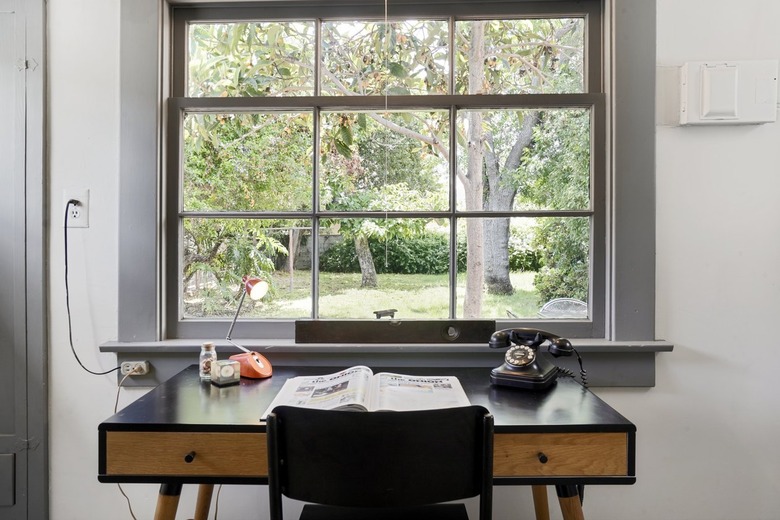
How To Clean Aluminum Window Frames
Aluminum window frames are a popular choice for homeowners, but they can unfortunately develop oxidization that's unattractive. Here's how to clean them properly and prevent further corrosion.
Read More

Hunker uses a knowledgeable team of editors, writers, and experts to create all our content. We dive deep into the ever-evolving conversations surrounding home improvement and design, striving to deliver the most current and helpful tips, strengthened by expert takes and tutorials from our talented team.
As we cover many fields of expertise, we make it a priority to ensure every beat remains fresh and comprehensive. Additional information on our editorial process available here.
Aluminum window frames are a popular choice for homeowners, but they can unfortunately develop oxidization that's unattractive. Here's how to clean them properly and prevent further corrosion.
Read More
Options for keeping your blankets and comforters smelling good include dryer sheets, scented soap, cedar sachets, baking soda, fabric fresher sprays, and more.
Read More
You can speed up the floor drying process after mopping with an old towel, squeegee, fan, or dry mop, depending on what's available and your preferences.
Read More
Remove construction dust with a shop vacuum equipped with a HEPA filter as well as a damp sponge mop and microfiber cloths to clean all surfaces in your home.
Read MoreTo clean poison ivy off of tools, first protect yourself to avoid contact with urushiol from the plant. Use grease-fighting detergent and warm water to remove the poison ivy remnants, and follow up with isopropyl alcohol to disinfect.
Read More
Landscape block adhesive holds together blocks or masonry without the use of mortar. It can be removed, but the process can be messy. Heat can be used to remove it from blocks, along with petroleum jelly.
Read More
Installing a brand new countertop in your kitchen can be a costly and time consuming project. Peel and stick tile on countertop surfaces is a cost effective way to update your room in just a little time and with few tools. Often, peel and stick tiles are used to mimic expensive material, like stone.
Read MoreAsphalt offers homeowners a strong and durable driveway. Asphalt has a measure of flexibility that allows an asphalt driveway to stand up well to freeze-thaw patterns rather than cracking or breaking.
Read MoreChrome offers a shiny, mirrorlike finish on car wheels, bicycle spokes, household appliances, faucets, furniture or vintage car bumpers. Manufacturers apply a thin chrome layer over metals, usually steel, to produce a chrome-plated item.
Read More
Homeowners drill holes in brick walls for a variety of reasons, including running cable, electrical wires or pipes through the wall. Changing the location of the cable, wire or pipe leaves a gaping hole through the brick wall where water, dirt and debris enter the structure.
Read MorePrice stickers, decorative stickers and name badges all have an adhesive back that sticks to surfaces either purposely or by accident. Removing the stickers typically involves peeling the sticker off the surface.
Read More
Ceramic fuses act as a safety device that interrupts the electrical power supply when electrical overloads or surges occur. Internal, thin, wire filaments melt and stop the electrical current to prevent harm to an appliance or other electrical device.
Read MoreWood bows or warps for many reasons including humidity and the natural stability of the wood. Some wood is more prone to warping and bowing than other types because of its' natural moisture content; the higher the moisture content, the more likely the wood is to warp.
Read MoreGlue holds wood joints together on many types of furniture, ranging from chairs to beds. Adhesive forms a strong bond to hold the pieces together in a tight joint. Many times a glue bond holds the wood tightly in place even if the piece suffers damage.
Read MoreBuilders and homeowners alike have opportunities to build wood forms to hold concrete, and the procedure is easy, but removing the forms can be many times more difficult. As the concrete sets and hardens, it makes no distinction between where a builder wants the concrete and where it is unwelcome.
Read MoreManufacturers make toilet bowls from ceramic and apply a thick glaze for protection. Toilet glazes stand up well to general cleaning, but will show scratches over time. Using scouring powders, acid-based cleaners, steel wool, pumice or sandpaper to clean tough stains will leave scratches on the toilet.
Read MoreSunlight and circulating air keep mildew away. Unfortunately, a safe does not have either. Safes are dark, tight-seamed, secure boxes that do not allow light to enter or air to flow. Many homeowners store valuable items in safes, including documents, money and deeds, which have the potential to become mildew targets.
Read MoreManufactured by James Hardie, HardiePlank siding is a fibrous cement-based product. A durable material made of Portland cement, silica and wood fiber, HardiePlank stands up to weather, insects and rot. The siding is fire-resistant, providing a high level of protection for a home.
Read MoreSilicone caulk functions as a barrier to seal gaps between surfaces, preventing air and water entry. It forms a waterproof, tight seal that remains flexible, making it a good choice for bathroom, kitchens and laundry rooms.
Read MorePorcelain has many uses in a house. Manufacturers make mugs, tiles, vases, toilets, and many other products from porcelain. Molding and baking ceramic at high temperatures in a kiln creates porcelain. After the porcelain cools, manufacturers add a glaze that protects the ceramic and makes it shiny.
Read MoreDoor frames secure a door and hold it in place. Steel door frames are strong and durable alternatives to wooden door frames. However, steel door frames are susceptible to damage, including dents and rust. Repairing the damage is a requirement prior to painting.
Read MoreBleeding air from water pipes reduces pipe noise. When air pressure builds up in plumbing pipes, it puts undue stress on faucets, fittings, solder joints and pipes. Prior to bleeding air from the pipes, the main water supply is off while all faucets remain open to force the excess air out of the pipes.
Read MoreWood workers and artisans commonly use wood stains to create new colors on wood projects. Wood stains can splash or spill onto their clothing, leaving behind a stain and ruining the garments. Wood stains are available in oil or water-based formulas. Once the wood stain is dry, removing it is virtually impossible.
Read MoreA bleach spill on a carpet, whether it be large or small, leaves behind a telltale mark. Technically, bleach does not stain a carpet; instead, it strips the dye out of the carpet fibers, leaving a mark.
Read MoreLong before the advent of drywall, using plaster to coat walls was a common practice. Homeowners and contractors covered masonry walls with a cement-based material to hide the structure. Applying plaster over thin strips of wood, called lath became the practice in more modern wood-frame houses.
Read MoreSpar urethane is a protective and durable surface coating for wood. Application to wood surfaces, both indoors and out, prevents wood damage from the elements and allows wood's natural beauty to show.
Read MoreAn Igloo cooler is a brand-name ice chest typically used to keep food and drinks cold. Plastic Igloo coolers can become damaged due to accidents, age and rough handling. Ice chests act to insulate the cold contents from the hot or warm exterior.
Read More