

Forget Basic Plywood: Use This Low-Maintenance Alternative For Shed Walls
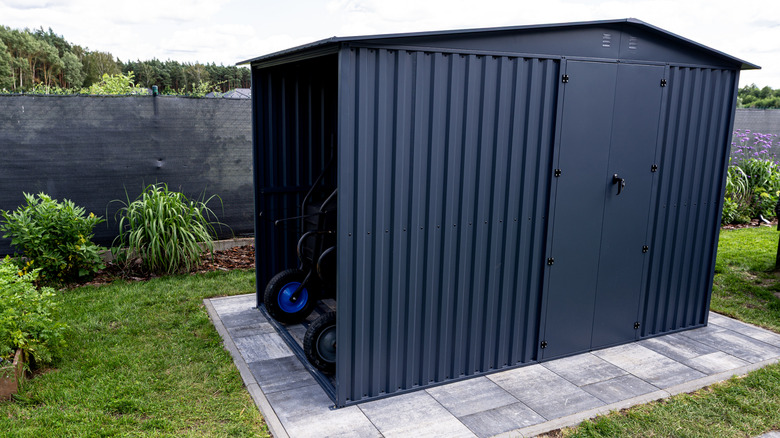
Garden and backyard sheds are popping up in neighborhoods like flowers in the spring. Their growing popularity makes so much sense as they are highly functional and can look super attractive. What's not to love? But if you are considering buying or building a garden shed, there is a very basic question that you need to answer. What material is the best for the shed walls? There are several options available, but the two most common wall materials for sheds are plywood and metal. For many reasons, steel or aluminum, is your overall best bet.
Although plywood is a durable and high-quality material, it will fail due to the abuses of the elements years before metal siding. Its fibrous, hygroscopic nature simply has its limits. Comparably priced, steel or aluminum sidings are nearly impervious to water damage. However, there are some mass-produced aluminum- or steel-sided sheds with thin gauge thickness that can be harmed by hail. Using thicker gauge, especially in steel, will limit the chance of hail damage. High-quality metal siding comes with the finish baked on, giving it a color. The lighter-colored siding does a great job of reflecting solar energy and keeping the shed cooler, as metal has no insulative values.
One of the biggest benefits of steel or aluminum siding is that it is highly recyclable and that most manufacturers make their siding from reused material. Metal siding's extreme durability (of lasting 40 to 60 years), reasonable pricing, fire resistance, and ecological benefits make it the superior product for shed walls.
More pros and cons of metal shed walls
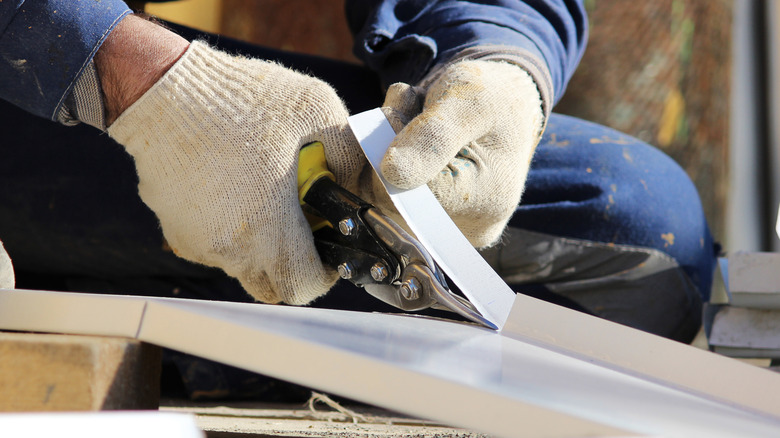
The advantages of metal shed walls over plywood make the most sense with prebuilt sheds or with shed kits. They provide the benefits of metal siding without you having to install it yourself. Making a custom DIY building with metal siding is something that many homeowners shy away from. It is possible for experienced DIYers to work with metal siding, but it will require a host of specialized cutting tools. Some of these include aviation snips, metal cutting blades for your circular saw and handheld jig saw, and heavy-duty tin snips at a minimum. A full complement of personal safety gear is also non-negotiable. It's these unique tool requirements that make using plywood for DIY built sheds more popular, even if not as sturdy of an option.
If you choose to build your own metal-walled shed, or have a craftsperson make you a custom shed, you will be opening up myriad wonderful possibilities when it comes to the variety of design options available. Along with classic looks, metal siding can mimic a wide variety of wood siding styles. In addition to those options, the colors available for that siding are legion. Choosing metal walls for your backyard shed is a decision you will not come to regret.