

The Sneaky Way That Mice Can Get Into The House During Winter (Plus How To Put An End To It)
We may receive a commission on purchases made from links.
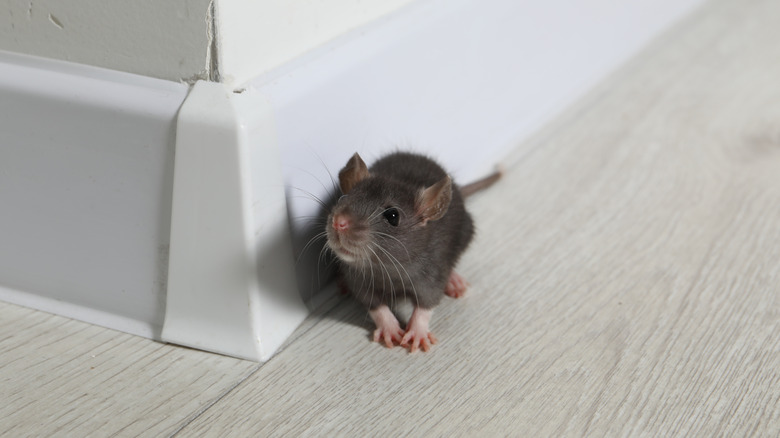
Once temperatures begin to dip, everyone wants to make their way inside — including mice. You might have clean countertops and a crumb-free floor, but food sources aren't the only incentives that reel in rodents. Your HVAC system, crucial for controlling the temperatures and air quality in your home, also presents an opportunity for Mickey Mouse and co. to weasel in and stay warm in the process. Instead of wondering how to get rid of mice this winter, prevent a problem before it starts with the proper sealants and installations to block off the entry points from your HVAC system.
Given that mice are attracted to dark spaces where they can remain incognito, gather food sources, and keep from getting cold, empty areas around A.C. units and heat pump systems are particularly alluring to them. Even if a gap seems too tiny for concern, remember that for mice, flexibility is not an issue, as their skeletal system allows them to sneak into spaces about the width of a pencil and holes the size of a dime. That means you have to be extra vigilant about covering up open areas. (Lest you'd like to deal with mice in your heating ducts.) Wall seal products, steel wool, and mesh screening are all ways to stay ahead of the problem.
Prevent mice from entering your home through HVAC systems
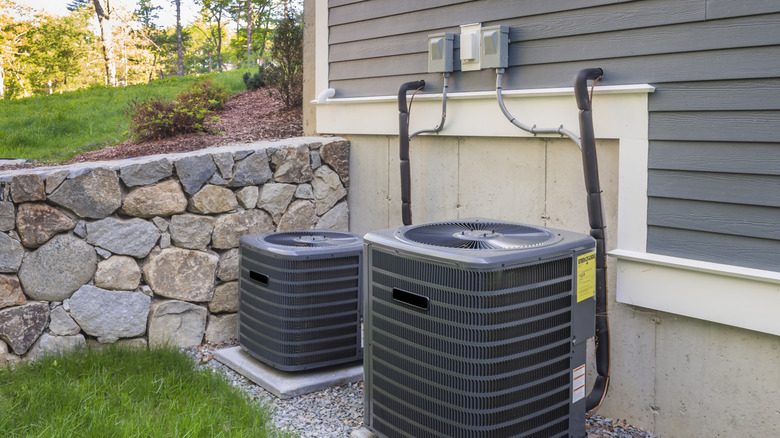
The best way to keep mice out of your home is to start by tending to areas outside that lead in. An HVAC outlet wall seal, like the NighBalky HVAC wall penetration/line-set cover kit on Amazon, will close off the cracks and fissures that mice can use to get into the ducts. If you don't have one or the budget for it, you can also try Sashco Big Stretch Interior & Exterior Caulk, which the pros say can help add coverage to open areas. Additionally, fan grills of AC units and heat pump systems should have a properly fitting mesh screening — one that's too large or small presents opportunities for mice to come in. Additionally, any cracks around the foundation and windows, particularly near your HVAC units, will require sealing.
However, your efforts outdoors will be for naught if you don't address the indoor access points, too, like vents in the wall. For this, use steel wool and caulk to cover the affected area in your home. Not only will tending to these areas keep out unwanted visitors — you'll have enough of those, especially during the holidays — but it'll prevent the mice from damaging any internal structures, breeding, and bringing in diseases. Keep natural elements to repel mice on hand, like peppermint, cinnamon, and eucalyptus. Add a few drops to cotton balls and place them alongside potential entry points to keep mice running in the opposite direction.