

Why You Should Think Twice Before Using A Mulching Lawn Mower
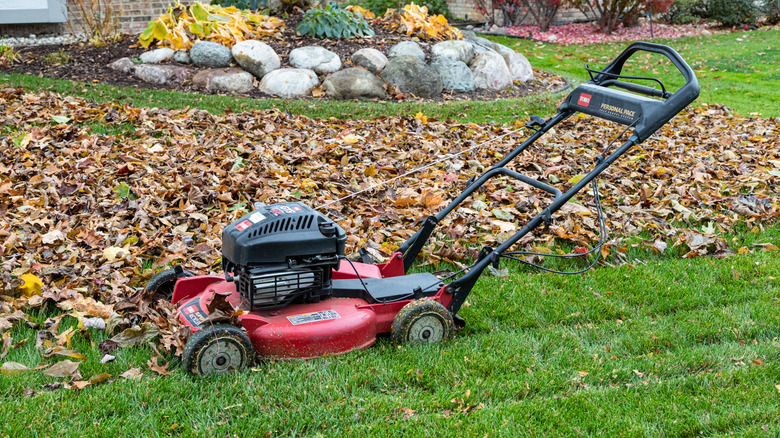
A mulching lawn mower doesn't directly cause disease in healthy grass. It can, however, spread or worsen an existing problem if the mulcher is used in the wrong way. A mulcher repeatedly chops the grass and throws the cuttings back to the lawn. This means that the infection may spread around the lawn if the cutting grass is infected.
The problem of spreading disease is easy to overlook because mulching is normally good for a lawn: The grass cut by the machine rots fast and gives its nutrients back to the soil. So there's no reason to stop mulching a dry, healthy lawn. The concern begins once the grass is already infected.
A mulching mower can pass through a diseased patch before carrying damp clippings beneath its deck and across the surrounding turf. The University of Florida recommends mowing an area affected by an active leaf disease last specifically to reduce the chance of spreading it. It also suggests avoiding mowing grass while it's wet due to potential pathogen spread through the water. But remember, brown grass alone doesn't prove that disease is present. Drought stress, insects, pet urine, fertilizer damage, and mowing too low can cause the same discoloration. Some brown spots may need an expert to inspect them to understand what the issue is.
How to keep a mulching mower from spreading lawn disease
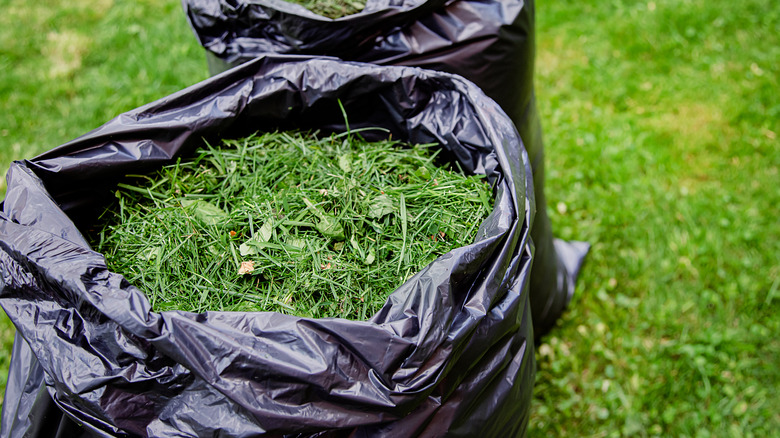
In case of an outbreak or possible outbreak, a bagger attachment should be used during the mowing process. You can also collect the clippings from a highly-affected lawn which should decrease the amount of disease organisms that could be present on the surface of the lawn. It won't eliminate the disease itself but it will prevent its immediate return to the grass in chipped up form.
The collected grass clippings should be disposed of in accordance with the local regulations for handling yard waste. Diseased grass should not be put in an ordinary, cool compost pile because some of the disease organisms might survive. Learn how to mow a lawn properly– the setting of the cutting blade could also help with recovery. Increase the cutting blade height to allow the stressed turf grass to retain more green tissues, and cut no more than ⅓ of the plant's height. It's recommended that the blade be sharpened because, when it's not, the leaves will tear, leaving bigger cuts. It likely won't kill the pathogen but it'll ease the stress.
The final point to consider is cleaning the mower before transporting it to a new location or taking it back to areas without the disease. Since there's a risk that the grass underneath the mower deck may carry diseased material, it's important to learn how to clean a mower deck correctly. Take into account that it's necessary to follow the manufacturer's instructions to prevent water damage to bearings, belts, paints or electronics.