

Don't Toss Your Empty Sauce Bottles: The DIY Garden Hack Your Green Thumb Needs
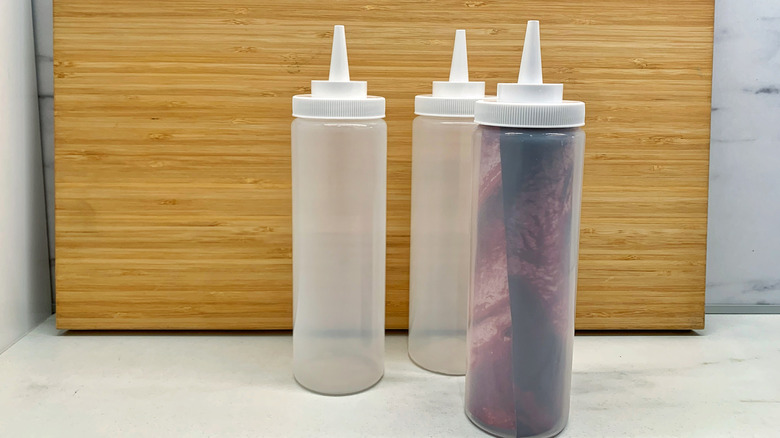
You can use Sriracha on virtually anything: breakfast burritos, burgers, rice bowls, tacos — you name it. Funnily enough, the sauce container with the forest-green nozzle lid is just as versatile in the garden as it is in the kitchen. The next time you run out of your favorite condiment, don't add the bottle to the recycling bin. It comes in handy when attempting to start seeds, particularly for watering and planting, so give it a good clean and use it to tend to your new plants.
This indoor plant care hack might seem like a stretch, but the empty bottle does serve as a cost-free gardening tool and a sustainable approach to your planting endeavors. Starting seeds requires a delicate approach. The nozzle tip of a Sriracha jar, or any similar condiment container, is ideal for the precise watering that's required when starting seeds. What's more, deconstructing the jar into a planter can also save you a trip to the nursery, and quite a bit of money, if you're a prolific gardener.
How to use a sauce jar when starting seeds
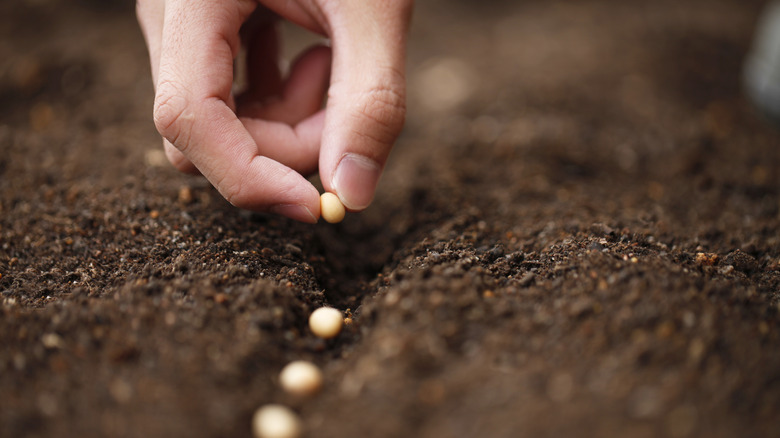
The first step when starting seeds is gathering the essentials. A pre-moistened seed-starting mix is vital for healthy growth. When it comes time to provide the seeds with hydration, don't overdo it with a strong blast of water, as it can wash away the seeds. This is when Sriracha's green container lid comes in handy, as you can control the amount of water you're providing. Plus, the soil needs to be consistently moist, but not drenched, which also takes precision. Once the plant mature into seedlings, water gently from overhead and make sure that the top layer of soil dries in between waterings, or go for the bottom watering approach.
Should you already have a watering tool at hand, your Sriracha container could also double as a planter for those seeds you're working with — an alternative to plant seed-starting trays you see in nurseries. Make sure to punch a few holes in the bottom for drainage purposes and leave roughly 2 to 4 inches after cutting off the top of the jar so that there's enough room for the plants to grow. While gardening might take a bit of work, there are ways to cut your costs and still reap the benefits of gorgeous plants and vegetables.