

Stop Settling For Asphalt Driveways: Here's A Tougher, More Eco-Friendly Alternative
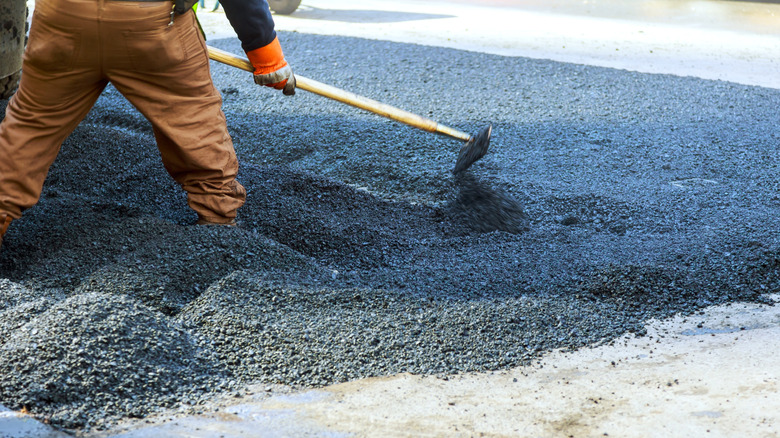
Asphalt is a common choice for driveways today, but it is prone to many problems, making it far less cost-effective than it seems initially. One downside of asphalt driveways is that they can be harmful to the environment. Geocell driveways, on the other hand, are stronger and more eco-friendly than asphalt. They are also more economical.
Asphalt cannot be self-installed and costs between $7 and $15 per square foot, with common average repair costs of $2,468. The average cost of installing a geocell system is around $3.50 per square foot. This cost includes labor, but you can also install it yourself without heavy machinery, reducing your cost to about $1.50 per square foot. If you opt for a DIY installation, you'll need grid material, gravel or crushed stone, anchors and edge restraints, and optional geotextile fabric to keep the gravel from sinking. You'll also need a shovel, rake, utility knife, roller, measuring tape, string line, hammer or mallet, and a wheelbarrow.
A geocell driveway can last as long as 60 years with little maintenance aside from occasionally topping off or raking the gravel. Asphalt maintenance includes resealing every 3 to 5 years and resurfacing every 10 to 15 years. Geocell gravel driveways are an especially good option for homeowners with sloped properties, heavy erosion, or poor drainage. It's also a smart choice for parking heavy vehicles like RVs and boats. Those who live on wooded or rural properties, or want to lower their environmental impact, will appreciate this safer option for their driveway.
Why geocell driveways are stronger and more eco-friendly than asphalt
An asphalt driveway can degrade and crack under extreme weather conditions or heavy use. The non-permeable surface of asphalt presents additional issues, such as creating heat islands that increase energy costs for nearby homes and preventing rain from penetrating the ground. Combine this with the petroleum-based chemical runoff from freshly laid or sealed asphalt, and you have an ecological nightmare.
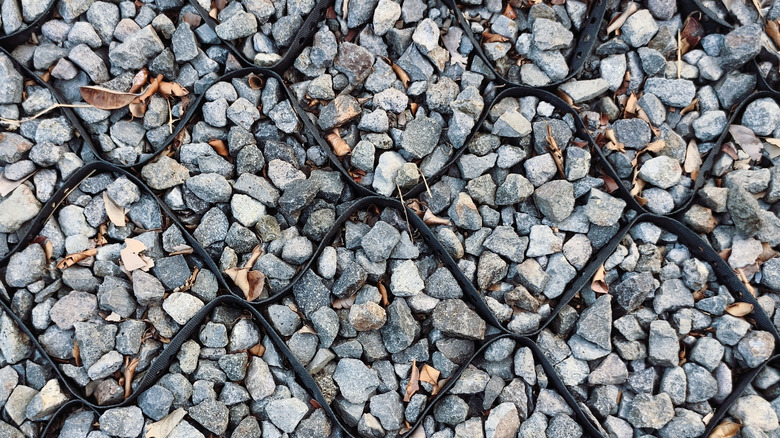
Unlike black asphalt, a geocell driveway uses light-colored aggregate, allowing it to reflect heat instead of absorbing it. The gravel aggregate is porous, so it offers better stormwater management by allowing water to be absorbed into the ground instead of being diverted to storm drains. The grid is made with recycled materials, making it an eco-friendly alternative. What makes geocells stronger is the grid pattern that compresses gravel into a tough, honeycomb pattern. This grid keeps gravel in place, even under heavy loads. The geocell grid itself is made from inert materials, so there is no worry of harmful chemicals seeping into the soil and groundwater. Even the production and installation are less energy-dependent, making it an ideal asphalt driveway alternative.
To install it, excavate and level the ground about 3 inches deep with the shovel and roller. Cover with the optional textile layer. Place the geocell and anchor it securely so it doesn't shift. Fill the cells with crushed gravel (NOT pea gravel, which shifts), compact with the roller, and add a top layer for aesthetics if desired.