

Forget Wood Decks: A Sustainable And Durable Alternative For Your Backyard
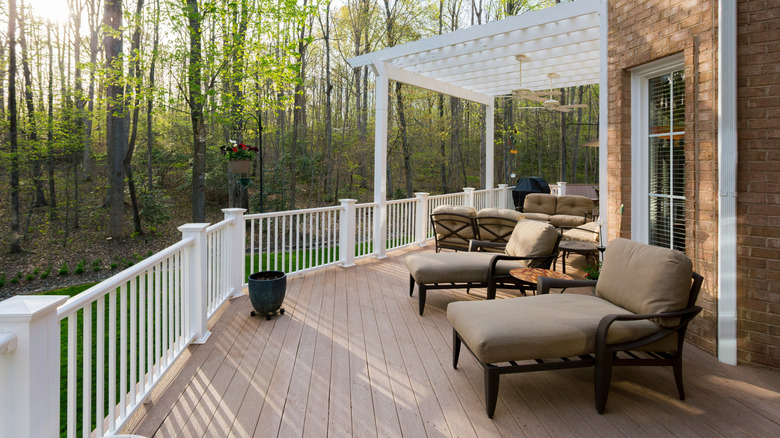
A deck is a fantastic way to expand your floor plan without an expensive renovation, and most homeowners build using wood, which comes with disadvantages. These downsides include warping with extended wind and rain exposure, labor-intensive upkeep, and the occasional expensive renovation. Fortunately, there's a sustainable, durable wood alternative for durable decking: bamboo.
Bamboo regrows and is ready to harvest again in as little as five to seven years. This fast turnaround, which hardwood trees, for example, can't match, is part of why bamboo has become a popular choice for sustainable decks. Properly manufactured bamboo decking also holds up remarkably well outdoors without sacrificing strength, withstanding fluctuating humidity and temperatures better than many traditional woods. So, while bamboo may cost a bit more upfront than many standardized decking materials, its durability makes it a worthwhile investment given your maintenance savings. There are multiple ways of processing bamboo decking, and most methods use the fast-growing Moso material due to its fiber strength and density. Let's take a closer look at bamboo deck manufacturing methods.
Bamboo deck manufacturing methods and additional homeowner considerations
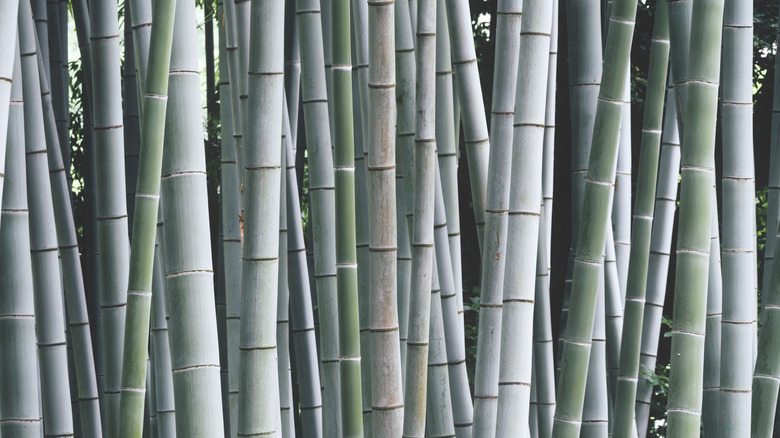
Laminated bamboo, also known as solid bamboo, is created by gluing multiple thin strips of bamboo together, then using high pressure to compress them into solid, high-strength planks. Fused or engineered bamboo, on the other hand, heats the bamboo first to cook off most of the bamboo's natural sugar content, leaving the material better equipped to fight off decay and pesky critters. Finally, if solid bamboo feels out of budget, composite options make a good alternative. Composite bamboo combines ground-up bamboo scraps with reclaimed plastic rather than using the plant on its own, and it's admittedly less eco-friendly than traditional bamboo, but offers heightened water resistance.
Despite its durability compared to common wood deck materials, bamboo isn't entirely immune to weather risks. Severe temperature swings can still cause moderate bamboo board expansion and contraction. Also, while bamboo requires less maintenance than a traditional wooden deck, that doesn't mean it doesn't require some level of care. A gentle cleansing with dish soap and a bucket of water is typically all a bamboo deck needs, and if you want to hang onto that warm brown tone rather than let it fade to gray, a penetrating oil treatment applied about once a year will help. Regarding simpler and more frequent maintenance, sweep down your deck every few days to remove leaves and debris, and use floor squeegees, leaf blowers, or soft mops to prevent any puddles from producing mold growth.