

How Long Do Push Lawn Mowers Usually Last?
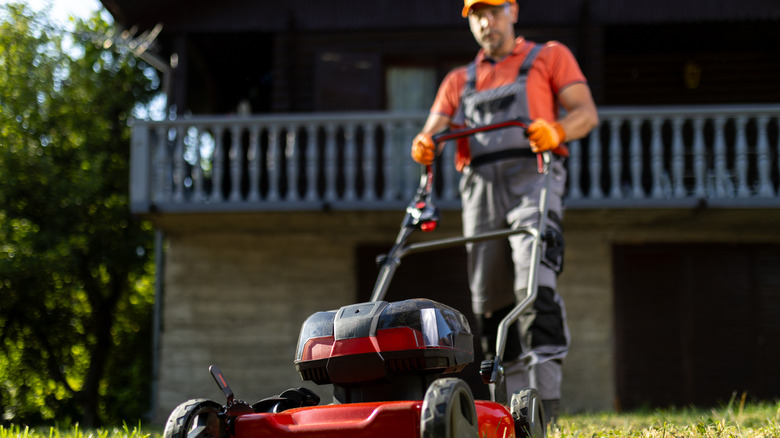
Riding lawnmowers are nice and all, but not every yard needs one. A powered push mower might be all you need for the job, especially if your lawn is on the smaller side. It costs less and takes up less storage space than a rider, while its gas or electric motor powers the blade for a smooth, even cut.
So, how long can you expect one to last? Consumer Reports has reported that the average lawn mower needs replacement after approximately six years, while other outlets say a properly cared-for push mower can last a decade or longer. The actual lifespan depends heavily on the mower's quality, power source, workload, storage conditions, and maintenance history. Luckily for you, following a few lawn mower tune-up and maintenance tips can help your machine reach the upper end of that lifespan.
It also very much depends on whether you have a gas- or battery-powered mower. Gas models usually last longer, but they require regular engine and fuel-system maintenance in order to thrive. Battery mowers need less routine upkeep, but the battery pack may lose capacity or require replacement before the deck or motor fails. Each one has its perks; it's all about what you need for your specific situation.
How to help a push mower last longer
Like most things, if you want a push mower to last longer, you've got to give it regular maintenance. After each use, brush grass clippings from the deck and give the blade, wheels, and fasteners a once-over for wear. Just be careful — it's always smart to wear protective gloves around the blade, even when the mower is off. Keeping the underside free of buildup is a simple way to extend a lawn mower's life, since trapped clippings can hold moisture against the deck and contribute to corrosion.
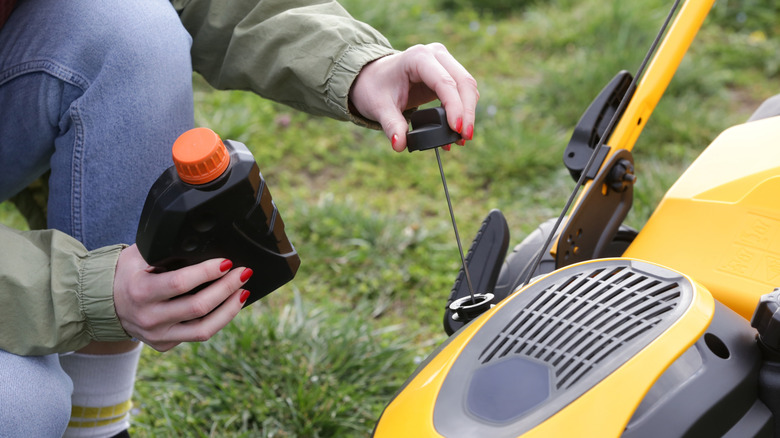
Gas mowers require the most routine attention. Just like with a car, you need to check the oil regularly and replace it. The air filter, spark plug, and fuel filter also need to be replaced according to your model's schedule. Most brands recommend changing the air filter every 50 to 100 operating hours or annually and changing the oil every 50 hours or annually, but this will probably vary depending on your make and model and the amount you use the mower. And don't use last season's gas in your lawn mower just because it's in the shed, either. Always use fresh gasoline, since fuel can begin deteriorating in as little as 30 days.
Battery mowers skip those engine-related chores, but that doesn't mean you're free and clear of all maintenance. When you're storing your mower, remove the battery before storing to prevent a slow drain, and use only its compatible charger. You should also keep the pack somewhere dry and protected from extreme temperatures, as excessive heat and cold can shorten battery life. For either mowertype, a clean deck and sharp blade can help postpone a dreaded replacement and keep some more dollars in your pocket.