

Pine Straw Vs. Gravel: Which Mulch Works Better Around Acid-Loving Shrubs?
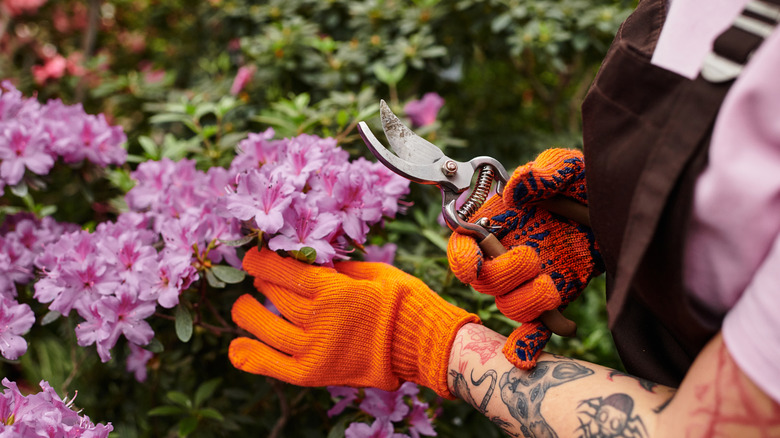
You might realize it's time for routine garden maintenance, like mulching. But which kind should you use? Both pine straw and gravel are popular options, but to understand which type of mulch is best for your project, consider your local climate and the upkeep required. It's also important to know which option works better around your valuable ericaceous shrubs. And making the best choice involves more than just deciding which is cheaper, or which looks the nicest around your home; it means understanding both the needs of your plants and the qualities of the mulch.
Ericaceous shrubs are acid-loving plants that grow best when soil pH is between 4.5 and 6. They tend to prefer moist, well-drained soil, and do best with rain water because hard water adds lime and raises the pH over time. The right mulch is important for these plants to keep the soil protected, while also inhibiting weeds.
Regarding aesthetics, both choices have a variety of options. Pine straw can be dyed red, brown, black, or even custom colors, and are fade resistant. The average price for pine mulch is $4 to $8 per bale depending on color choice. Gravel also comes in many colors and you can choose between crushed granite, river rock, pea gravel, lava rock, and more. If you plan to do it yourself, bags of gravel run around $2 to $8 per bag, while having it delivered and installed costs around $15 to $75 per cubic yard. The initial cost for gravel is higher than pine straw, but it's permanent, so the only recurring cost is occasional touch-up.
Comparing pine straw and gravel for your acid-loving shrubs
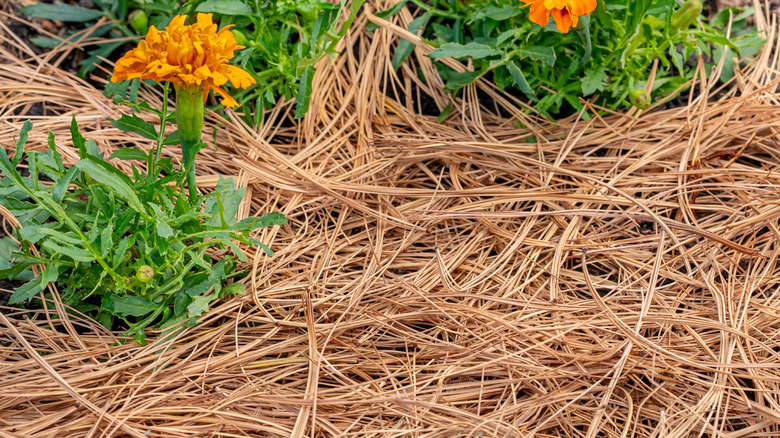
Pine straw enriches the soil with organic matter as it breaks down. It does an excellent job of maintaining moisture, which is ideal for acid-loving shrubs. The interlocking needles of pine straw do a good job of suppressing weeds, but some will get through. This mulch is versatile in any climate, providing insulation in the cold months and cooling plant roots in the heat of summer. It is a myth that pine straw negatively affects soil pH, and it actually benefits your acid-loving shrubs. Apply it 2 to 4 inches deep. Because it decays, pine saw must be refreshed every year or two to maintain depth and color. It should also be raked every 4 to 6 weeks to prevent it from becoming compacted, improve air circulation, and keep it looking fresh.
Gravel doesn't break down, and it is better at suppressing weeds. Still, you'll eventually see weeds sprouting in the settled dust and debris. Overall, it's still a low-maintenance mulch after the initial installation. The negative side of gravel is that it isn't good for moisture retention so you will need to water frequently. It also heats up the soil, which can be hard on delicate roots, and bad for warmer climates prone to drought. Limestone and marble also affect soil pH, so choose your gravel mulch carefully. Safe options include granite, quartzite, or basalt. Any mulch you choose will have pros and cons, so consider how easy it will be to balance them before buying.