

16 Best Cool-Season Annuals To Plant In October

By October, the death knell has already rung for your summer-blooming annuals, like zinnias and cosmos. While you may be busy tidying up the beds or dreaming of their return next year (hopefully, they dropped enough seeds), there's another thing you can do: grow cool-season annuals. Sweet peas, larkspur, nigella, pansies, and poppies are some excellent options.
Plant terminology can be confusing, especially when it comes to annuals versus perennials, primarily because how a plant behaves or blooms depends strictly on the available environment. So, one zone's perennial is another's annual if it struggles with its winter. As such, cool-season annuals refer to plants that complete their flowering cycle in one season, and can handle cool temperatures down to 28 degrees Fahrenheit, as well as a couple of light frosts. However, they can't tolerate hard frosts, which is why many wait until early spring to plant them. But if you live in mild climates — typically zone 8 and warmer, though zones 6 and 7 gardeners may also pipe in if they can create a warmer microclimate — you can start them early in October for late-season blooms.
Fall plantings promote deeper root development and may help meet the seed's vernalization requirements right in the soil, without incurring the need for chilling or indoor seed starting. Besides, they may benefit from fall rains and decreased pest pressure. Note that they often start to look straggly by summer, and are usually replaced, though in some cases you may be successful in rescuing and promoting a fall flush by cutting them back.
Sweet pea
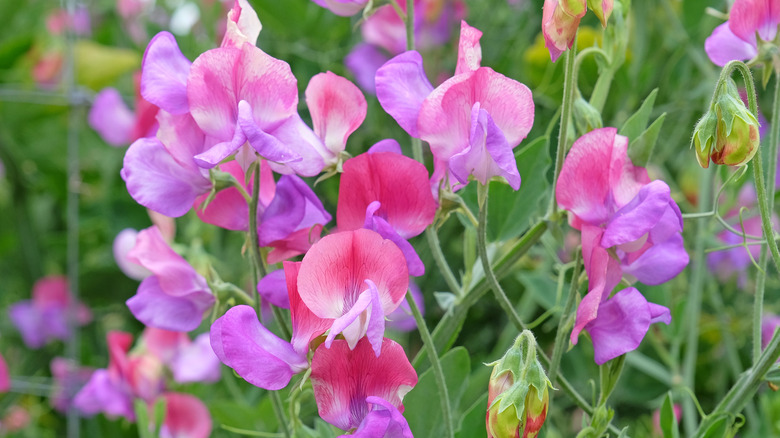
If you enjoy decking your home in floral arrangements, don't skip sweet pea (Lathyrus odoratus). Boasting a spectrum of colors, including pink, mauve, lilac, and white, its highly aromatic flowers bloom in the spring and summer, and produce longer when you continue cutting them. This also helps keep their spread in check, as they create numerous seeds. Typically, October is a decent time to sow their seeds in southern areas after soaking them overnight. In cold regions, however, it's best to wait until late winter or later to grow them. Sweet peas may struggle in summer heat.
Giant larkspur
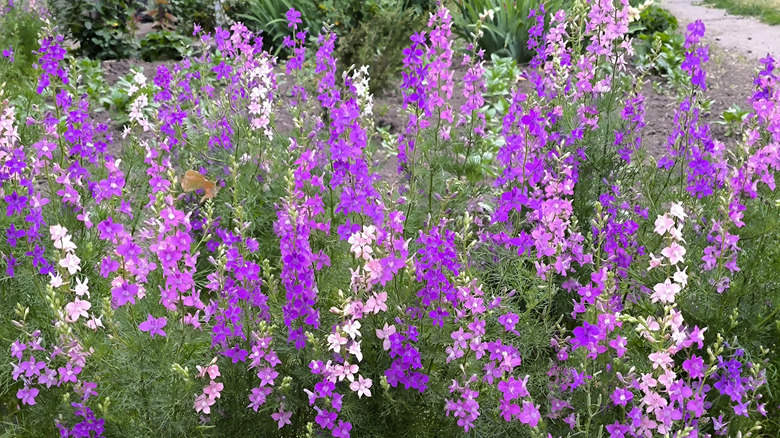
Dwellers of zones 8 to 11 can directly sow the seeds of giant larkspur (Consolida ajacis) in their gardens in October. This helps fulfill their cold stratification requirements, ensuring successful germination come spring. Don't be surprised if bumblebees and butterflies fly in droves, getting drunk on the nectar of the violet, blue, or pink flowers that appear all summer long. These cool-season annuals can grow about 4 feet tall and half as wide and look their best when grouped. Diligently remove spent blooms to prolong their display. Offer them shade during peak summer afternoons to prevent scorching.
Love in a mist
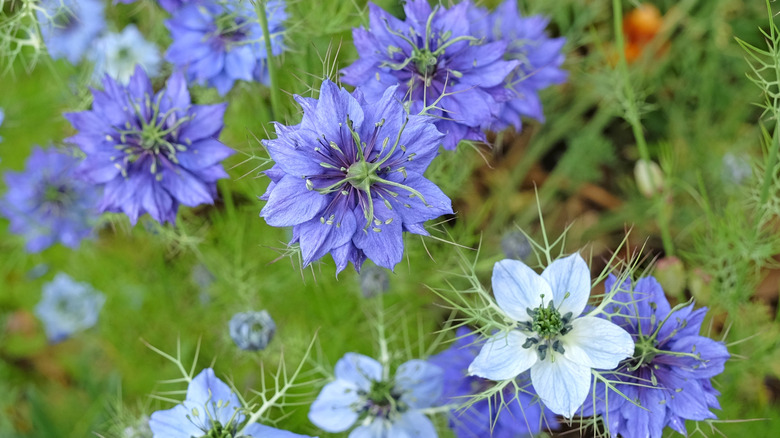
Love in a mist (Nigella damascena) is a fast-growing, self-seeding flower that can fill your garden with colorful blooms. Since it doesn't take well to transplantation, most gardeners start it with seeds, sowing them in garden soil during the fall. Blue, white, pink, or multi-hued flowers appear three months later. But because the display barely lasts a month, most sow them continually at three-week intervals to extend their show into summer. As cool-weather annuals, they can handle frosts (even as seedlings). Removing faded flowers can trigger reblooms, but may sacrifice the uniquely attractive seedheads.
Pansies
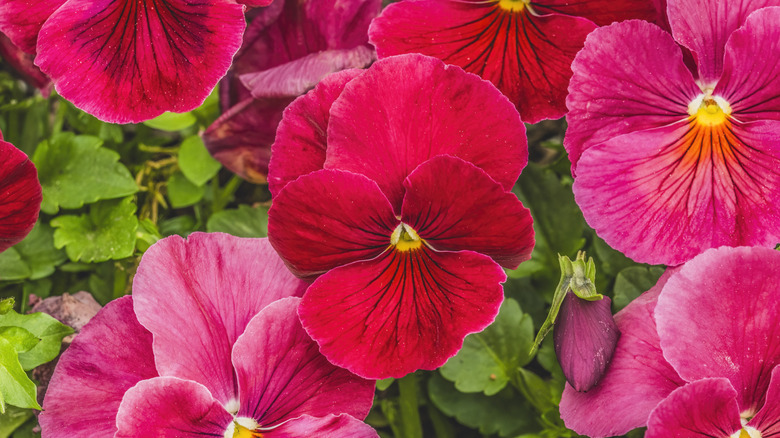
October is a great time to grow pansies (Viola x wittrockiana) if night temperatures have normalized to 65 degrees Fahrenheit or lower. Rather than seeds, however, start with seedlings — not the ones on sale, as they may already be scraggly or root-bound and might not thrive, but compact, bloomless ones. Even though they can survive in mild winters of zones 8 and 11 and often bounce back from light freezes, they struggle in summer, which is why they're grown as cool-weather annuals. For consistent blooming, be sure to maintain moist soils and feed them regularly. Cool Wave pansies are especially spectacular and have extended blooming periods.
Bachelor's button
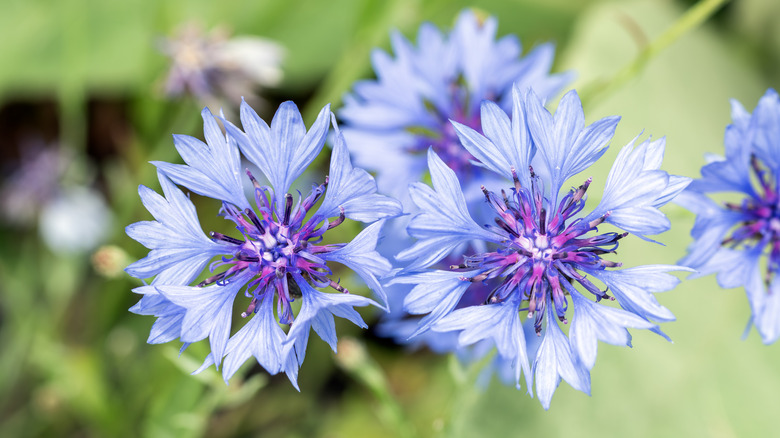
Looking for flowers that are naturally blue? Try bachelor's button, also known as cornflowers (Centaurea cyanus). As a bonus, the local butterflies and birds will thank you. In warmer areas — think zones 7 to 10 — you can directly sow their seeds in sunny, well-draining soils during October, assuming you don't expect frost for another six weeks (if at all). Since the roots have had sufficient time to establish themselves, these cool-season annuals produce larger blooms atop sturdier stems (compared to spring-planted ones) during spring. Keep in mind that they self-seed aggressively, though regular deadheading can check this habit.
Ornamental kale and cabbage
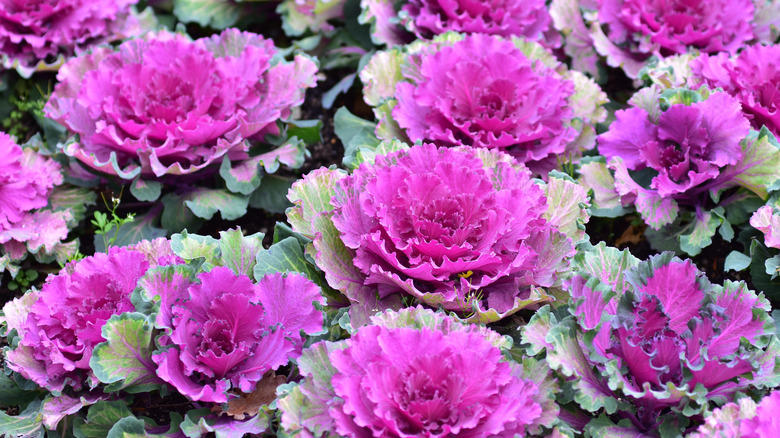
While pretty flowers have their place in a garden, they can benefit from a nice backdrop. Enter: ornamental kale and cabbage (Brassica oleracea). While they're certainly edible, they're best enjoyed for their big, flamboyant leafy rosettes of spiraling pink and white. The best part, though? They thrive until temperatures dip under 5 degrees Fahrenheit, so there is plenty of interest in cold winters that don't involve dried flowerheads or bare twigs. However, October is too late to start with seeds, and you must go with seedlings or full-size plants instead; they'll resume growth around the 60-degree mark.
Bright Lights Swiss chard
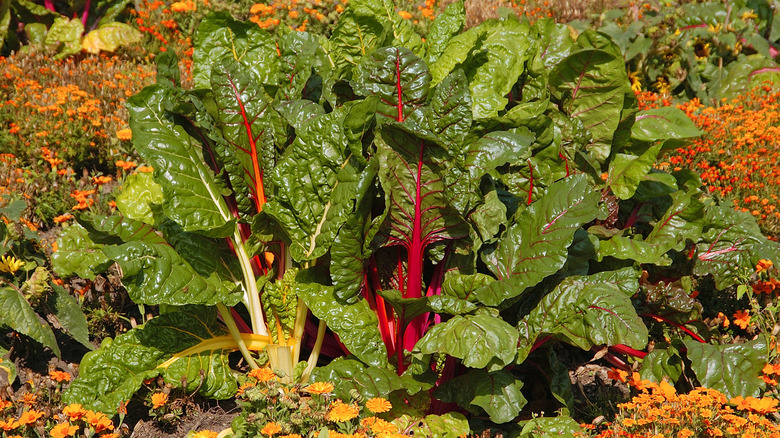
Edible like most Swiss chards, Bright Lights (Beta vulgaris var cicla) differentiates itself on its ornamental appeal. The yellow-veined, glossy green leaves appear atop colorful stems — think gold, pink, violet, orange, or multi-striped — looking spectacular in annual beds or containers. Seedlings can handle light frosts, which makes them a safe planting choice during October in mild climates. They may bolt on sustained exposure to below 50 degrees. Seeds can germinate when it's above 40 degrees Fahrenheit, and take about 55 days to mature. Be sure to offer full-sun exposure.
Johnny jump-ups
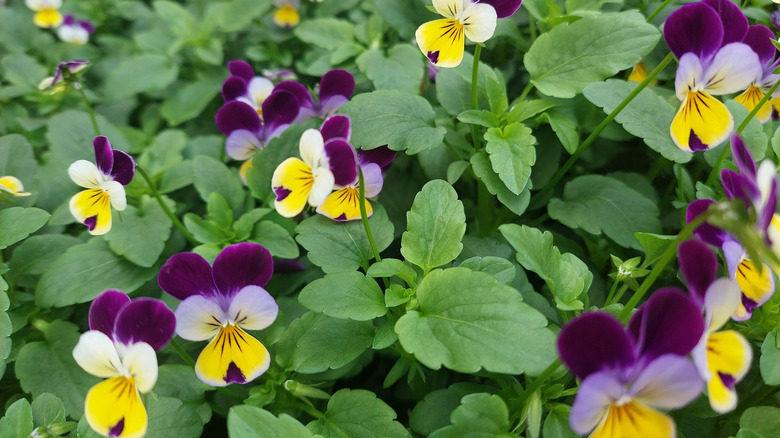
Johnny jump-ups (Viola tricolor) are typically equated to pansies, but smaller. However, that's just half the story. They bloom far more profusely and resist heat better, and so can last longer in gardens. Planting them in October enables them to establish a strong root system, so they're ready to burst forth with color come spring. When watered and mulched well, they can tolerate zero-degree drops. Stay on top of deadheading so you can enjoy the striped blooms well into summer. But allow the last flush to make way for seeds to avoid buying new plants every year.
Amazon dianthus
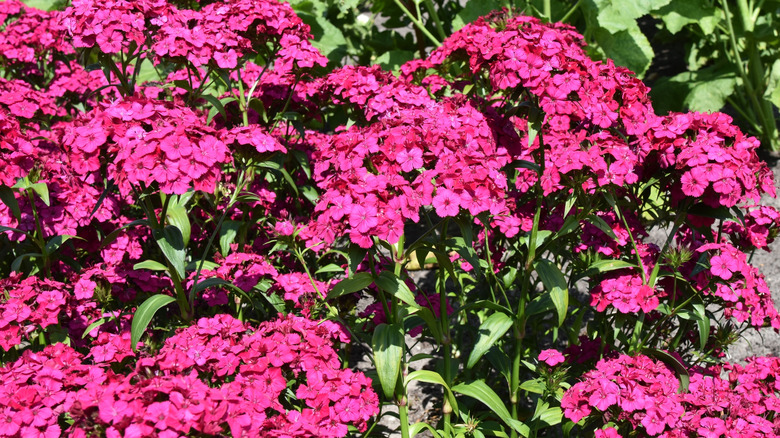
Certain dianthus varieties, like Chinese pinks (Dianthus chinensis) and sweet William (Dianthus barbatus), are grown as cool-season annuals, and Amazon dianthus is a hybrid of the two. Transplanted in October, they will regale you with color-changing blooms (which may be cherry, purple, or rose, depending on the hybrid) throughout the fall. While flowering staggers in the winter, they make up for it with lush blooms during spring. Compared to standard dianthus plants, they take the heat better, which helps extend their flowering season, and grow taller without becoming leggy. However, you might have to replace them afterwards when summer peaks.
Iceland poppy
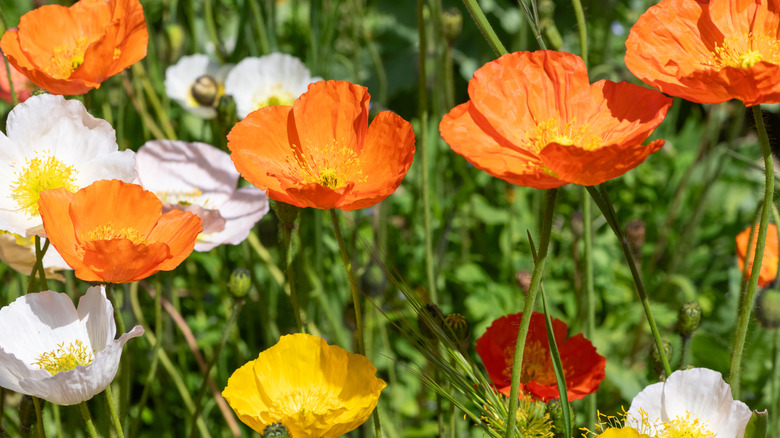
As a boreal plant, Iceland poppy (Papaver nudicaule) overwinters in cooler areas but is grown as a cool-season annual in warmer regions. Usually, you can sow it in October through November for the pretty, fragrant, green-eyed, white or yellow petals in spring. However, if you purchase them in mixes, you may spot red, salmon, rose and orange blooms, too. That way, they can develop a sturdy root system, enabling them to put on a mad show come spring alongside spring-blooming bulbs. They can take hard frosts but will slow down in the summer. Favored by pollinators but may be toxic to pets.
California poppy
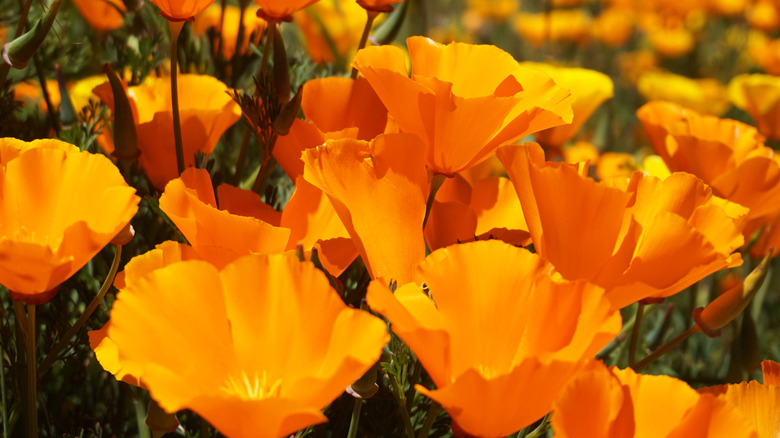
You can sow the seeds of California poppy (Eschscholzia californica) during October if you don't expect frost for at least three weeks. By later spring, your garden beds will be covered in a golden blaze that you can extend further into summer with diligent deadheading. However, retain the last flush for seed production, so this cool-season annual can self-sow and return. It may perennialize in zones 8 through 10. The California poppy is drought-tolerant and can be grown in sunny, infertile sites. Watch for aphids, and know that they can only tolerate light freezes.
Baby blue eyes
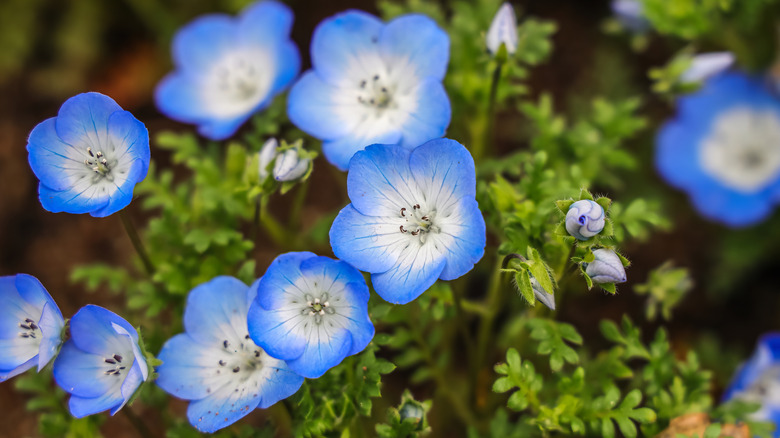
If you live in zones 8 to 10, October isn't too late to sow the seeds of baby blue eyes (Nemophila menziesii), a pretty wildflower native to California, Oregon, and Nevada. They flourish when night temperatures cool to 65 degrees Fahrenheit. Bees enjoy their bowl-shaped bluish-white flowers that appear through spring and summer, though the display may kick in early by winter's end. Surprisingly, they can tolerate pedestrian traffic, making them useful around walkable spaces. But they can become assertive in the landscape. To counter that, you may just pop them in containers and hanging baskets.
Pouch nemesia
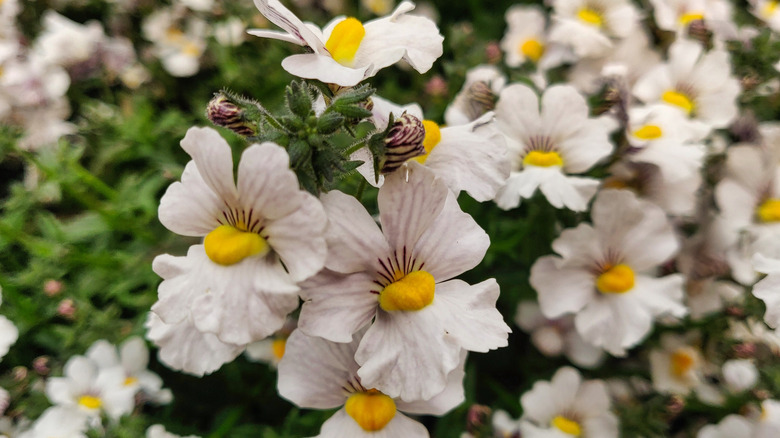
Native to South Africa, pouch nemesia (Nemesia strumosa) is a fast-growing annual you can pop in beds, borders, or containers for its attractive orchid-like burgundy, pink, white, or tan blooms. Since it struggles with summer heat and humidity, it's treated as a winter annual in frost-free areas and its seeds are sewn during fall. Cutting it back to half the original size may reinvigorate it, though it's more likely to fade out. Offer it space in a semi-shaded area containing organically rich, moist soil.
Bells of Ireland
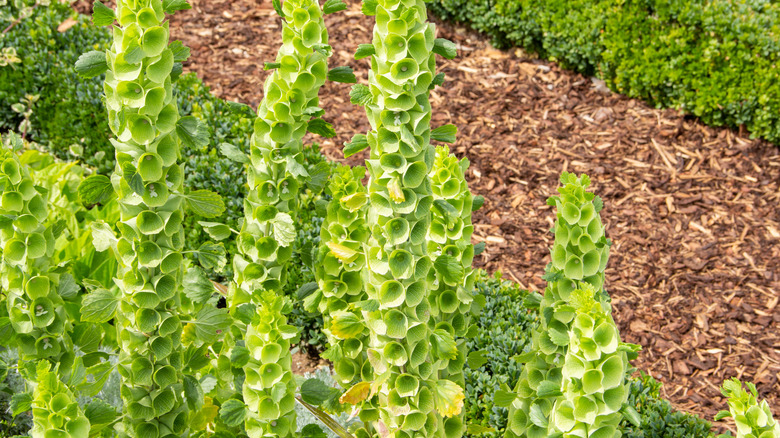
Curiously, bells of Ireland (Moluccella laevis) didn't originate in Ireland, but in Indonesia. Yet, they can't keep up with heat and humidity, preferring cool weather instead. They're best used to bring in visual and textural contrast into the landscape, as their flower spikes are a collection of green tubular calyces stacked on top of each other. Aromatic, white flowers emerge within the bounds of these calyces during summer. Since seeds require cold stratification, you can sow them in the ground during October in mild climates, and they can handle light frosts. Exercise caution while handling, as they produce spines.
Pot marigold
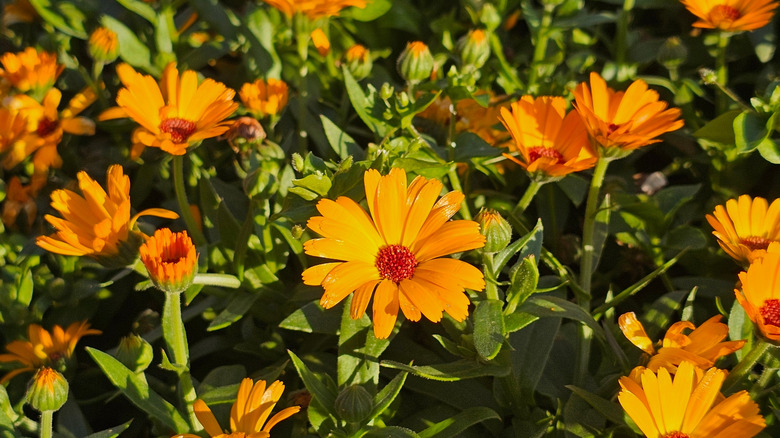
Rather than after spring frost, pot marigold (Calendula officinalis) is planted during the fall, usually October or later, in zones 8 and warmer locales. In these areas, it behaves like a cool-season annual, bearing masses of orange or golden blooms that brighten up the winter and spring landscape. If you take an organic approach to gardening, you can even harvest their flowers to color and flavor your dishes with a dash of pepper. Use them in borders to keep deer or rabbits out, or put them in a pollinator patch to draw in butterflies.
White lace flower
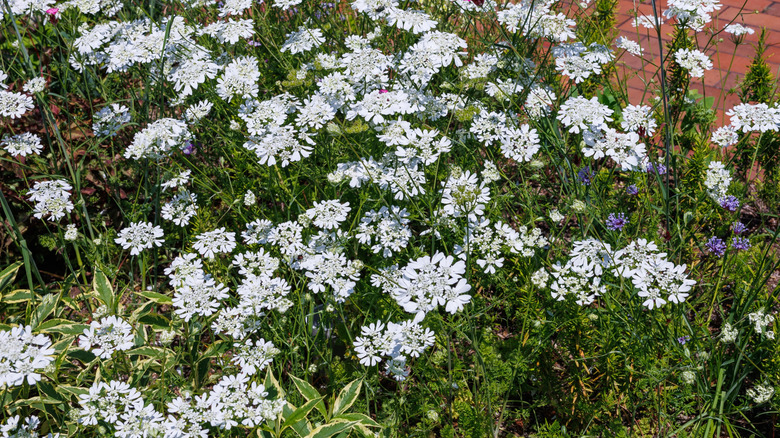
Love hydrangeas but lack the space for them? Try white lace flower (Orlaya grandiflora) instead. This hardy annual spreads about 1 foot wide and grows thrice as tall, and is loved for its lace-cap, white flowers. In mild climates, you can sprinkle seeds on well-draining soils during October and expect blooms in around three months, able to tolerate light frosts. Fall-planted orlaya grow long stems, which is great if you enjoy cutting flowers for arrangements — they can last for 10 days in a vase. They'll die back once temperatures top 80 degrees Fahrenheit.