

3 Things To Avoid Using WD-40 Contact Cleaner On
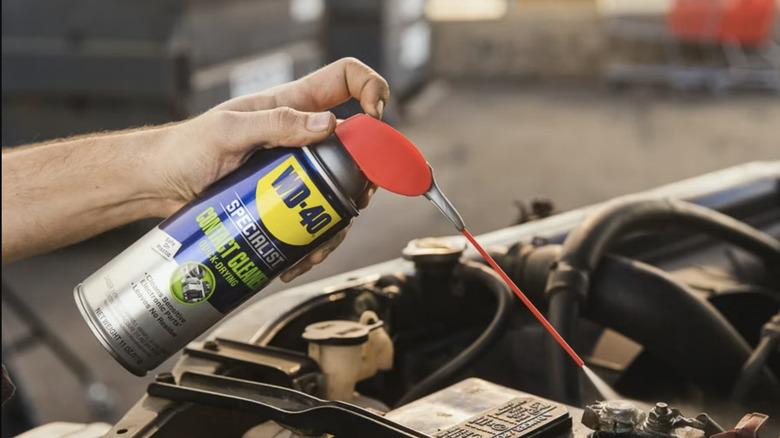
Though known primarily for its classic, multipurpose cleaner, the WD-40 company offers a wide range of products that can be used on a variety of things. One cleaner, the WD-40 Specialist Contact Cleaner, differs from the original in a number of ways. For starters, traditional WD-40 has lots of uses due to being a water displacer. However, the Contact Cleaner is a heavy-duty solvent-based aerosol that is intended to clean electronic items without leaving any oily residue behind.
Just because it has the WD-40 label on it doesn't mean that you can use it like regular WD-40. Sure, the Contact Cleaner will still do a great job cleaning away the grime that collects on surfaces, but there are specific materials that you should avoid using it on. The Contact Cleaner can deteriorate silicone, damage computer keyboards, and even cause fires if used on live electrics or hot components.
The Contact Cleaner is part of the WD-40 Specialist Line, which consists of products with a more focused performance formula than the standard Multi-Purpose. The cans are marked with the word "Specialist" in silver letters and the specific type of cleaner labeled in another color underneath. Both the Specialist Electrical Parts Cleaner and the Contact Cleaner have the same, lime green lettering. So, if you're in need of the Contact Cleaner, double check to make sure you have the right one and avoid using it on any of the following things.
Computer keyboards

Everyone should clean their computer keyboard regularly, especially those who work from home. Keyboards will collect a fair amount of dust and grime over time, and the longer you let that sit, the more it will affect the keyboard's performance. Since the WD-40 Contact Cleaner is rated for cleaning electronics, you might think it's just the thing to get all that dirt out from between your keyboard keys. Unfortunately, that is not the case. Using the Contact Cleaner is not recommended on keyboards, even by WD-40 itself. Here's why.
Computer keyboards are made from a combination of plastics, metals, adhesives, and an electric circuit board. Solvents, such as those found in Contact Cleaner, will cause certain porous plastics to soften and deteriorate. While your circuit board should be just fine, you should generally avoid spraying contact cleaner near or on anything that you don't know is rated to be cleaned with solvents.
So, instead of using the Contact Cleaner, clean your keyboard with a combination of a soft-bristled brush and compressed air to get rid of the surface grime, and then lightly wipe down the keys with a little isopropyl alcohol to disinfect. Be careful to only use a small amount of isopropyl, because it, too, can cause damage to keys made out of certain plastics in high concentrations.
Silicone seals and gaskets
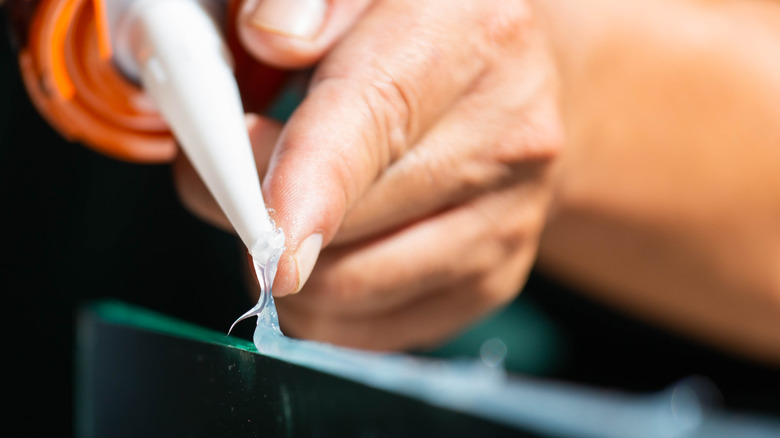
Silicone seals and gaskets are common household items that can be used in a multitude of different ways, like sealing windows against drafts. Silicone even appears in the adhesives used to protect your smartphone's components from the elements. Silicone's flexibility, strength, and chemical stability mean that it is resistant to a variety of different cleaners like alcohols or weak acids. But be warned; the WD-40 Contact Cleaner can still have adverse effects on such a tough material.
According to a chemical compatibility chart compiled by Jehbco Silicone Specialists, the types of chemicals used in the Contact Cleaner, especially heptane, are not compatible with silicone products of any kind. The non-polar molecules in the solvents used in the Contact Cleaner can alter the polymers of the silicone, causing it to swell and lose its structural integrity. Similar to the deterioration that can occur with the plastic elements of the computer keyboards, the silicone will break down if it is consistently exposed to the Contact Cleaner.
If you need to clean any silicone gaskets or surfaces in your home, use the WD-40 Specialist Silicone instead, which is specifically rated to work with silicone and rubber. Otherwise, some warm water and soap should do the trick.
Flammables, sparks, or hot components

This should be common knowledge for anyone who has used any type of WD-40, but in case you were not aware: WD-40 is highly flammable. The Specialist Contact Cleaner is considered a Level 1 aerosol, which means that at least 25% of its contents are considered flammable. According to WD-40's own Material Safety Data Sheet, you should always "keep [cans] away from heat, sparks, pilot lights, hot surfaces, and open flames" as they could heat the can and cause it to burst into flames.
While you're not likely to keep your Contact Cleaner near an open flame, just having it near hot or working electrical components, like battery terminals, can ignite the liquid inside. The instructions for the Contact Cleaner also tell you to make sure that any electrical component you're going to clean is unplugged and totally cooled down before you spray it. The heat could easily mix with the oxygen in the air and vapors from the solvents to create the perfect recipe for flames to occur. Also, if not allowed to dry completely, the contact cleaner could cause a short circuit when the product is plugged back into an electrical source.
Similarly, it is important to store your Contact Cleaner away from any oxidizers that could cause ignition, or in areas that could potentially heat to over 122 degrees Fahrenheit. It should also be stored in a ventilated area, such as a garage with an open window.