

20 Perennials To Plant In October For A Color-Packed Spring Garden

Most novice gardeners associate October with cleaning up their outdoor spaces, and rightfully so. It's that time of the year when summer flowers have exhausted themselves and are simply collecting dead leaves and debris. At the same time, deciduous shrubs and trees are actively shedding their leaves, signaling that winter is ahead. But there's still time to get some pre-frost planting in while getting your seasonal fall decor set up.
October is a great time to plant perennials to knit spring color for multiple reasons. While hot summers are squarely behind us, the soil is still warm to promote root growth, enabling establishment. Plus, fall is often a time of predictable rain patterns, so new plants don't have to contend with erratic watering or drought restrictions to have their resource requirements met. Even better, most insects are out of action, making it easier to be outdoors for long periods of time.
Since weather conditions are highly variable, you'll need to exercise some judgment. Avoid sowing or transplanting if you expect a hard frost within six weeks from planning. Similarly, wait until early spring if a plant is marginally hardy in your USDA zone area. Generally, October is a great time to introduce spring-flowering bulbs and ephemerals, like daffodils, tulips, hyacinths, crocuses, alliums, and Virginia bluebells, to your beds. That way, fall-planted bulbs can meet the necessary chill requirements to become productive next spring. The golden rule is to wait until soil temperatures drop to at least 60 degrees Fahrenheit, as an early planting risks the foliage growth, which cannot survive the winter onset. Self-seeders requiring cold stratification, like columbine, can also be planted in October.
Hellebore
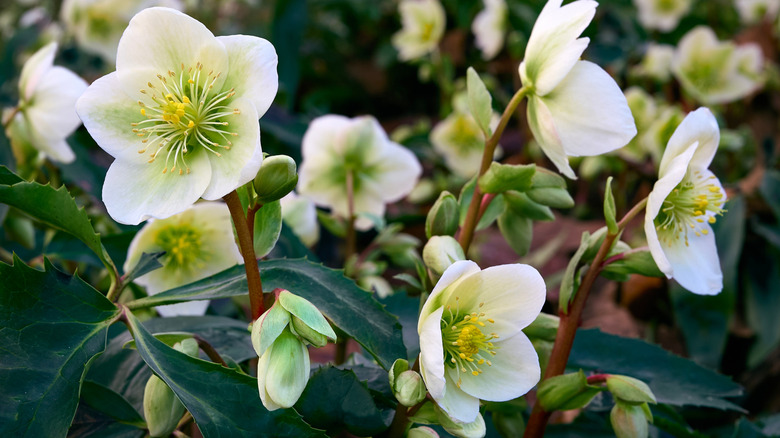
To brighten the dark or shaded areas of your garden, look no further than hellebore (Helleborus spp.). Comprising several varieties, including the much-cherished Christmas roses that people grow indoors, hellebores can be planted out in October and onwards until the ground freezes. By the end of November, you'll notice waves of yellow-tinted, white blooms that will last well into spring or later until it gets too warm for them. After a brief dormancy stint, they'll green up and flower again in zones 5 to 8. Be cautious while handling them, as they contain irritating alkaloids, and keep pets away to prevent poisoning.
Daffodils
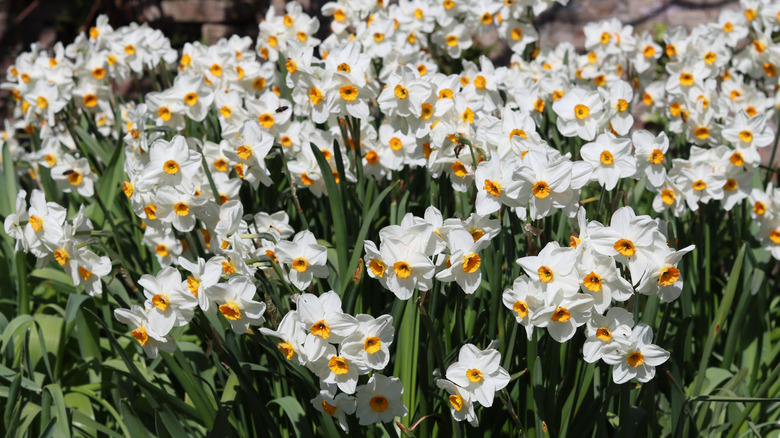
October is the perfect time to get daffodil (Narcissus spp.) bulbs into the soil, especially if you experience cold climates (zones 3 to 5). This window remains open through early winter for those in zones 6 through 9, since soil remains workable. Daffodil bulbs require a long period of cold vernalization to form sturdy roots, so planting them now helps. They're divided into 13 divisions, each with its own specific forms, shapes, sizes, and blooming times. Mixing them up will allow you to kickstart the blooming season as early as March or April, weather permitting, and make it last into early summer.
Tulips
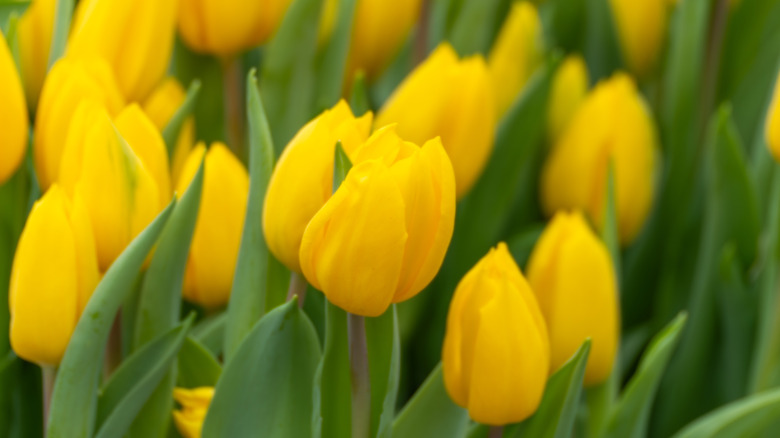
There's a bit of confusion about whether tulips (Tulipa spp.) are annuals or perennials. If you live in the Southern United States, where winters aren't long enough for vernalization, or you're growing one of those fancier varieties with large or double flowers, they'll have a short life span. Species, or botanical tulips in contrast, perennialize the longest, followed by Darwin hybrid and fosteriana tulips, usually in zones 3 through 8. For reasons similar to daffodils, the best time of year to plant tulips is in October when soils have cooled to at least 60 degrees Fahrenheit, right up to a freeze. Interplant early and mid-season bloomers for a longer display.
Virginia bluebells
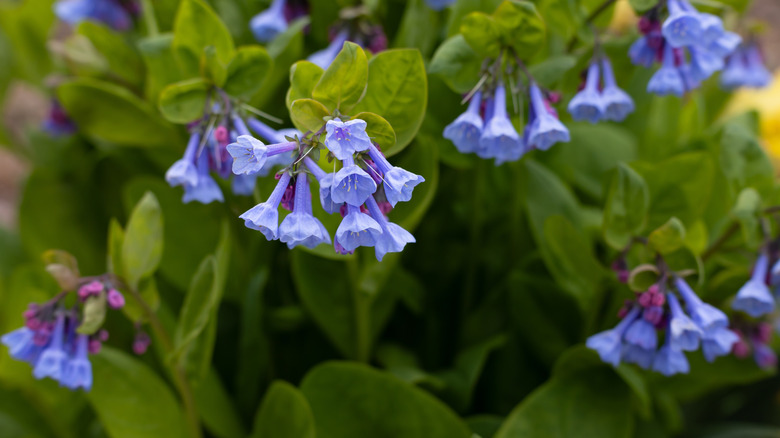
Shaded areas in zones 3 through 8 may benefit from the presence of Virginia bluebells (Mertensia virginica) and October is a decent time to plant their bare roots. Although you can attempt to direct sow them, know that germination rates are poor, so you'll need to spread them in excess for good results. Early spring growth is purple and turns green with time, as the pink buds unfurl fragrant, tubular flowers for three weeks. Remember, the more acidic your soil, the bluer the flowers will be. Early pollinators, including bumblebees and hummingbirds, take to these flowers, though you'll need to supplant them with ferns or hostas to mask their dying summer foliage.
Dutch hyacinth
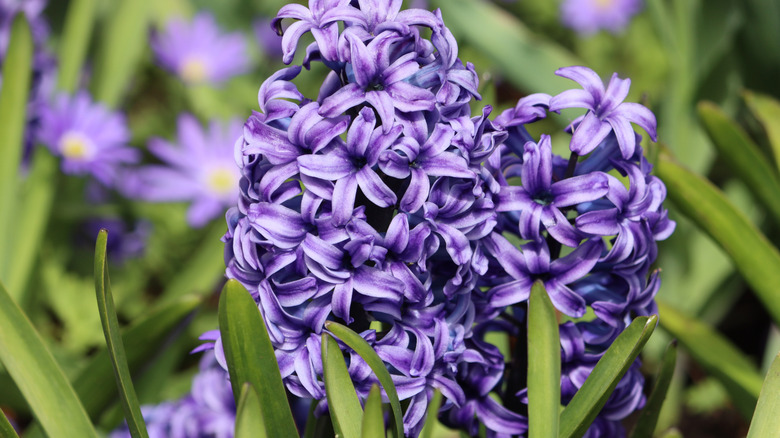
Similar to tulips, Dutch hyacinths (Hyacinthus orientalis) become less attractive over time. Still, they can be enjoyed as short-lived perennials (say about three to four years before needing replacements) in zones 4 to 8. Since soil temperatures have normalized to 60 degrees Fahrenheit across the range, October is a great time to plant them in sunny, fine-draining soils. Where it's still warm, you may have to wait until November or later. Hyacinths are best enjoyed around walkable spaces, where their colorful flowers — often making their first appearance in March, unless the weather is unusual — perfume the air, scintillating the senses.
Grape hyacinth
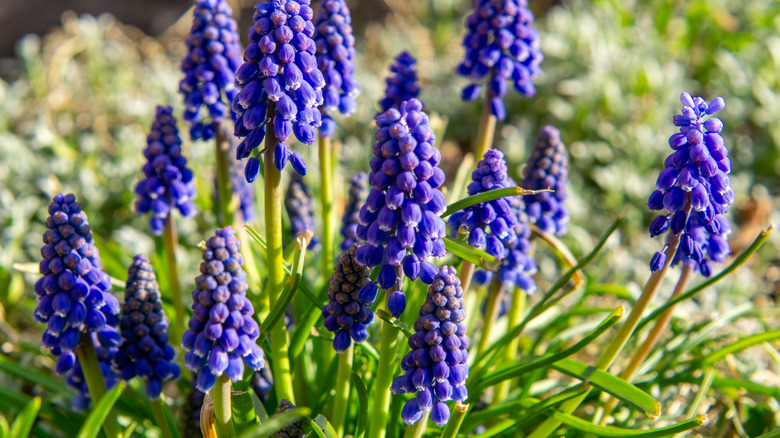
Hardy in zones 4 through 8, grape hyacinth (Muscari) is another perennial bulb you can plant in October if your garden receives full-to-part sun exposure. Based on the variety, expect bell-shaped, blue, pink, or white flowers to open bottom-up early in spring. They'll continue blooming for three weeks before going dormant right after, and may re-bloom in mid-fall. Since they're dainty, consider mass planting them, preferably in groups of 50 or more, to create a dramatic impact. Deer and rabbits find them unattractive, so planting them in borders can offer some deterrence.
Common crocus
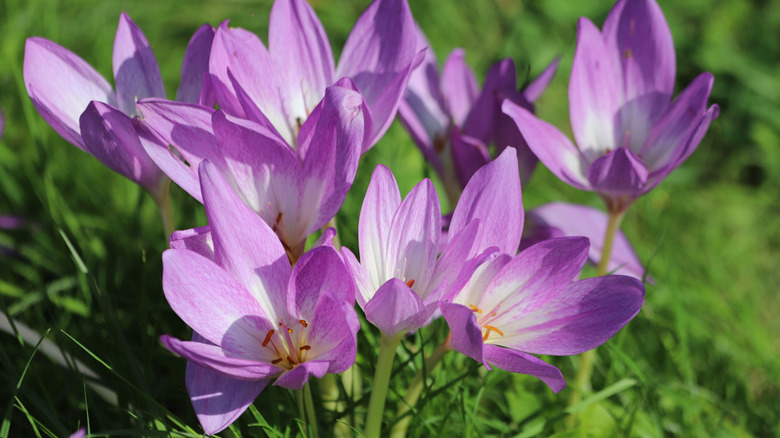
To ensure they'll have the time essential for root development before winter sets in, common crocuses (Crocus spp.) are planted in October in most areas, or later if the soil hasn't cooled yet. Perennially hardy in zones 3 through 8, crocuses grow from corms and bloom early in the season, usually February or March. Since they're compact, most plant them as fronts for other spring-blooming bulbs like daffodils, against whom their lavender flowers really pop. Be warned, however, that rodents can eat these corms if they're especially hungry, resulting in a no-show. So you'll need to take precautions.
Danford iris
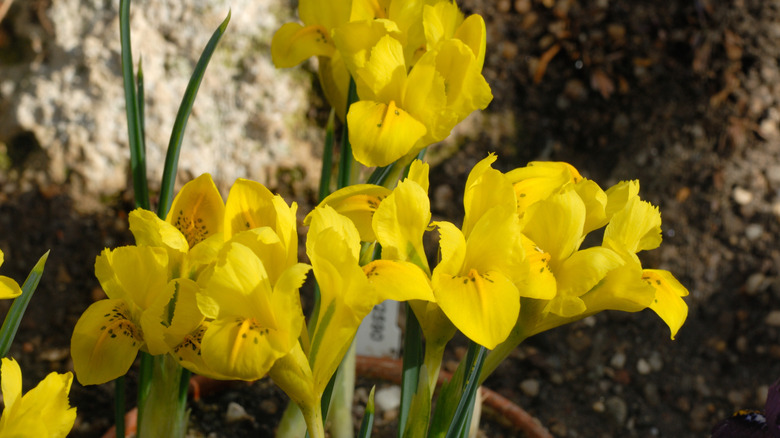
If you can't have enough of fragrance, Danford iris (Iris danfordiae) is the bulbous perennial to plant, and October is a great time for it. By winter's end, it erupts in a show of primrose-yellow blooms, freckled in brown, which give off the impression of the ground alight with many butterflies. These look stunning against the grassy, grayish-green leaves, which, luckily, are unpopular with deer. Danford iris looks best planted in groups of 20 or more and can grow over 3 feet high. Use them in alkaline soils in zones 5 through 9 or pot them in containers.
Fritillaria
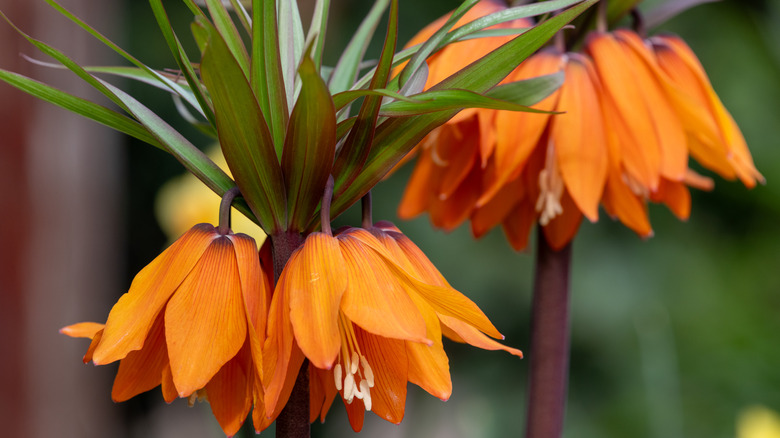
To bring a unique touch to your garden, consider planting fritillaria. Out of 100 species, crown imperial (Fritillaria imperialis), with its nodding orange flowers, is the most ornamental. But it has malodorous foliage, which can be a put-off, unless you're using it to deter deer. For a fritillaria that's easier on the nose, look for checkered lily (Fritillaria meleagris). It features pretty, blocked patterns on burgundy flowers. Where space is limited, compact varieties like Michael's flower (Fritillaria michailovskyi) and fox's grape (Fritillaria uva-vulpis) may be ideal. October plantings leave out enough time for root formation. Hardiness ranges vary, but they'll all require consistently moist soil.
Striped squill
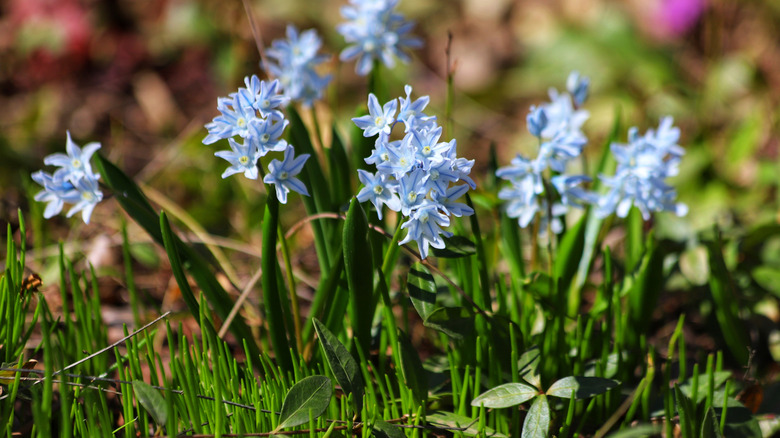
Like other minor bulbs, striped squill (Puschkinia scilloides) can be planted in October, as long as the soil isn't frozen solid. It grows perennially in zones 4 through 8 and is a pretty naturalizer for rock gardens, shrub understories, tree underplantings, or along pathways. As the weather permits, you may notice blue-striped, white flowers contrasting against strappy leaves as early as March or April. They only up to 6 inches high and go dormant in the summer, so plan their location accordingly. Striped squill favors moist soils and full-to-part sun exposure.
Grecian windflower
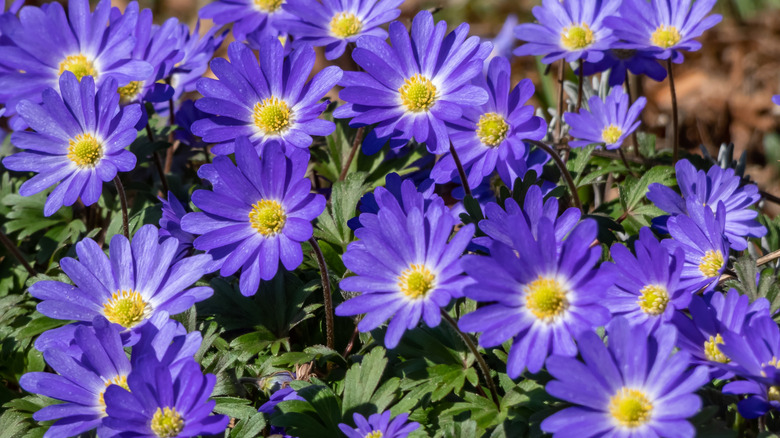
Grown via tubers, Grecian windflowers (Anemone blanda) are gorgeous, low-growing plants you can plant any time in fall, including October, before frost. With their white or blue, daisy-like flowers, they load the beds with pizazz for nearly a mont around April, announcing out loud spring's arrival. Grecian windflowers grow best in semi-shade or under the dappled shade of deciduous trees in moist soils and thrive in the winters of zones 5 to 9. However, they can irritate the skin and may be poisonous if consumed, so you have to be careful about their location. They may self-seed and spread over the years, though they're easy to contain.
Giant allium
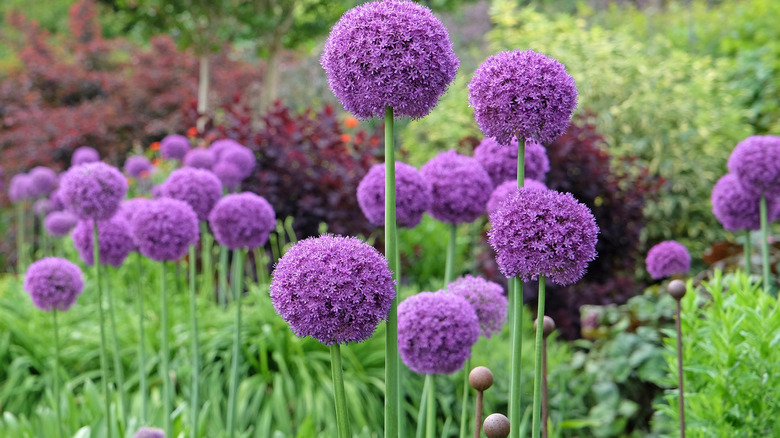
Unlike summer-blooming alliums, giant allium (Allium giganteum) is a spring bloomer, though it's best used to finish off the season or fill out beds during the transition to summer. Much like tulips and daffodils, it goes into the ground during fall, after you've made sure the soil drains well and the area will receive ample sunlight. Giant alliums are perennials in zones 6 through 10 and can grow quite tall, often needing staking. Plant at least 10 bulbs or more to create romantic lilac drifts to enamor local pollinators, while deer scrunch their noses in disgust.
Spanish bluebell
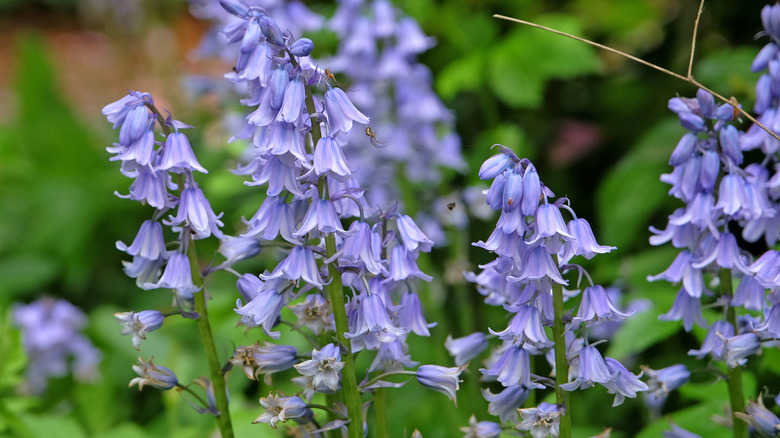
Cousins to hyacinths, Spanish bluebells (Hyacinthoides hispanica) also make strong contenders for October plantings. Compared to their cousins, they hold their blue or light-purple flowers loosely, though this doesn't make them any less attractive. They're also more adaptive, given their tolerance for full sun and shade. While they grow perennially in zones 3 to 8, their bulbs cannot withstand dips under 14 degrees Fahrenheit. Deer-resistant, but poisonous — fatally so — and can cause contact dermatitis. So, take these into account before making new plantings.
Coral bells
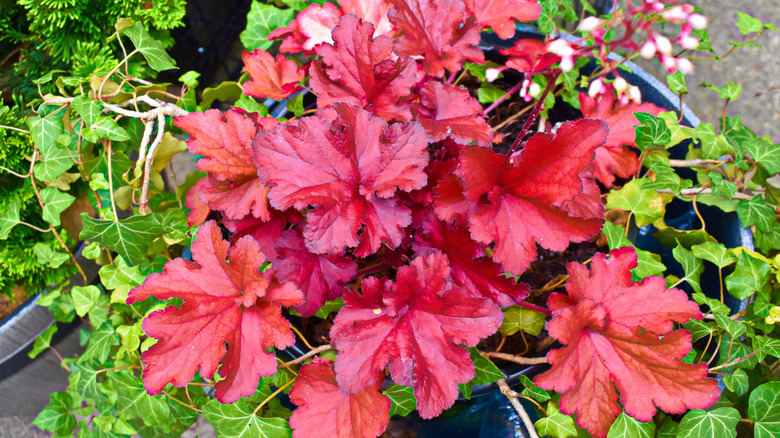
A bit of a cop-out, if you will, but coral bells (Heuchera spp.) are another perennial you can plant in October, especially if you're exploring landscaping solutions for shady areas. For a start, it offers near-instant ornamental interest thanks to its colorful or variegated foliage. Where it overwinters successfully — think zones 3 through 9 — you'll have a bright, shaded corner right through winter, until it blooms in late spring. Through July, it will bring forth a bevy of butterflies and bees. But keep in mind that it roots shallowly, so you must mulch the beds heavily to prevent the roots from heaving out in the first planting year.
Peonies
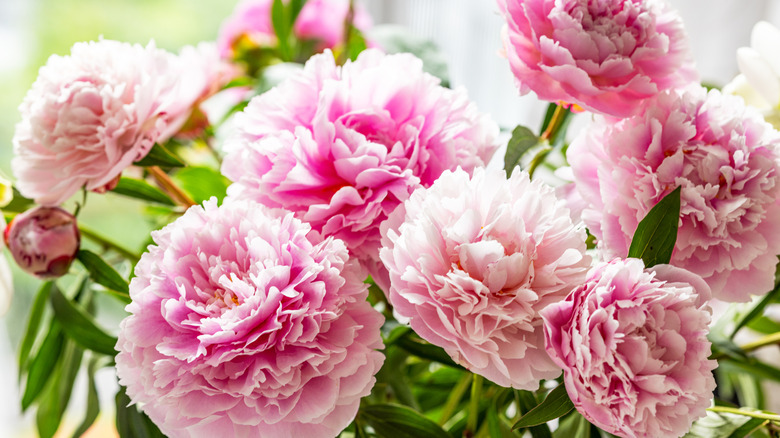
For most U.S. gardeners, October is an optimal time to plant peonies (Paeonia spp.),though those in warmer climes can plant them a bit later but before a killing frost. Hardiness ranges cover zones 3 through 9, but may vary across individual plants. Be advised that peonies flower sparsely in their first spring (though it's best to even remove those buds to promote root development) and may take a couple of years before coming into full bloom. As such, their display lasts about 10 days, but by planting a diversity of very early, early, midseason, and late varieties, you can prolong their season to six weeks, into early summer.
Astilbe
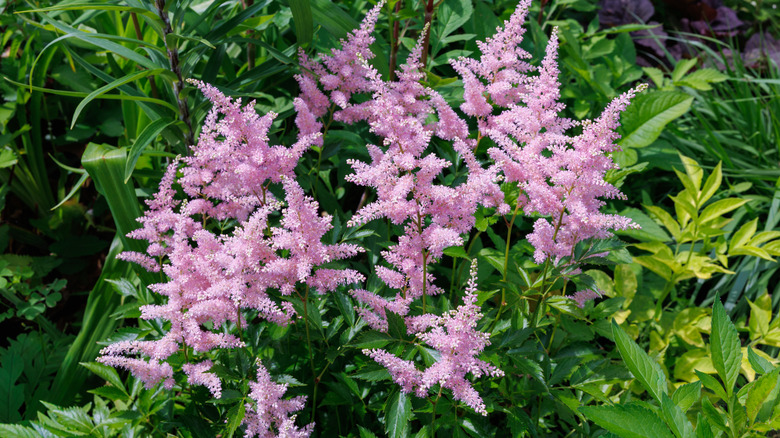
Through mid-October, it's safe to plant plugs of false spirea or Astilbe (Astilbe spp.) in your garden for their gorgeous, multi-flowered spikes, available in hues of pink, lavender, peach, and white. As such, astilbe offers color throughout the year, with its springy fern-like leaves that may in time develop burgundy, chocolate, or bronze tints. To ensure flowers in spring, be sure to get the early-blooming varieties like 'Rheinland,' though mixing in late bloomers can ensure a show through September. Astilbe is a heavy feeder. While it can handle full sun in northern regions, moderate or filtered shade works better in the south. You may grow it in zones 3 through 9.
Bleeding hearts
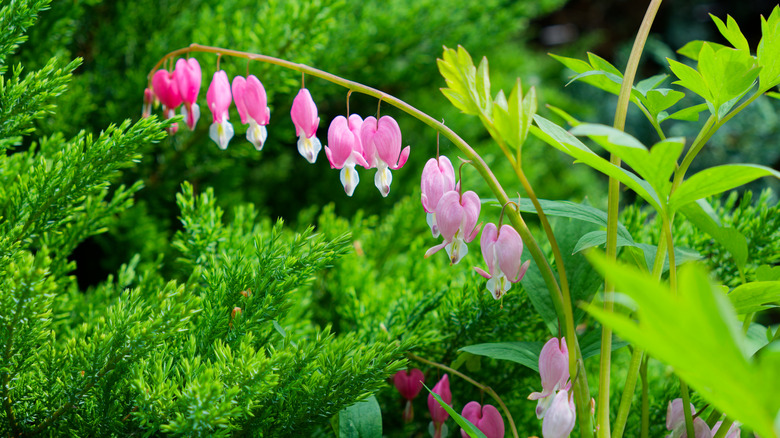
Since bleeding hearts (Lamprocapnos spectabilis) require a certain period of cold stratification, you can directly sow their seeds in garden soil during October. However, be warned that they do not perform well in areas experiencing strong winter rains or summer droughts. Although Asian varieties are most popular, native options like fringed bleeding heart (Dicentra eximia) are also available, and often bloom longer. Popular with butterflies and hummingbirds, you can use these perennials to brighten shaded areas in zones 3 through 9. Direct contact may cause skin irritation and accidental ingestion can be harmful for pets and children.
Moss phlox
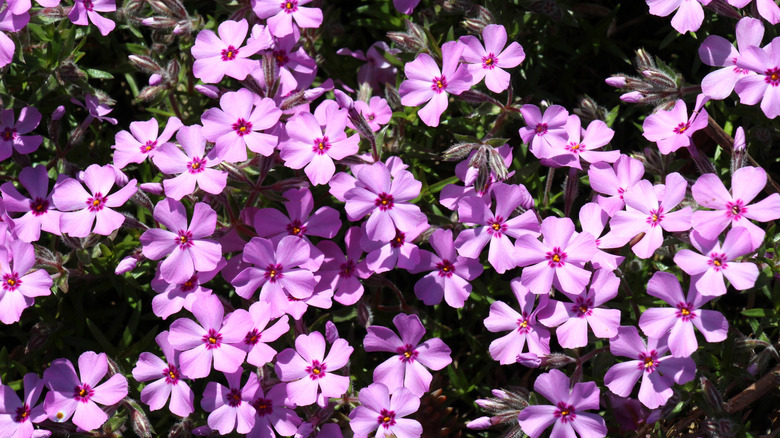
Given the confusing nomenclature, since moss phlox is also called creeping phlox, which is also a different plant altogether, please verify the scientific name, Phlox subulata, before planting. Moss phlox is a low-growing perennial that carpets the ground in a blaze of pink or purple from April to May. While it can overwinter well in zones 3 through 9, if you're looking to plant it in October for a head start, be sure that the expected frost won't set in for another month. Because of its resistance to salt, drought, pollution, deer herbivory, and the ability to check erosion, it can be a highly versatile planting.
Columbine
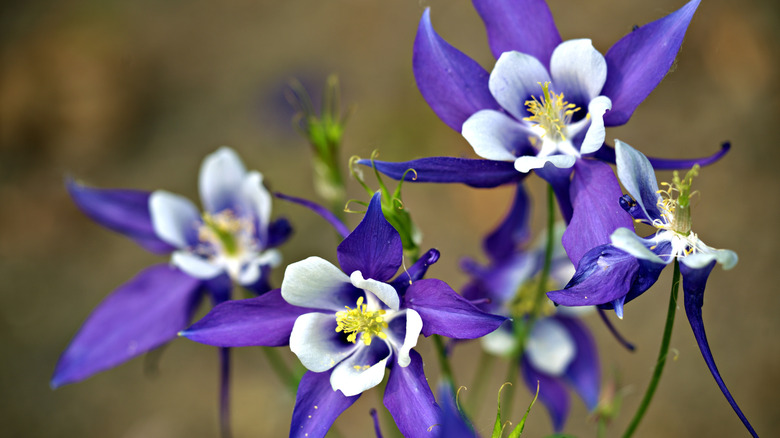
Are you looking for stunning self-seeding flowers you plant once and enjoy for years? In zones 3 to 8, columbine (Aquilegia spp.) is an excellent option. However, keep in mind that hybrid varieties will look different if allowed to self-sow. Columbine seeds need a stratification period (about four-week exposure to below 40 degrees Fahrenheit) to germinate, which makes October a great planting window. Give them a home in your pollinator patch so bees, butterflies, and hummingbirds can enjoy their sweet nectar. They're also great to fill in the gaps left behind in mid-spring when bulbs are losing steam.
Dianthus
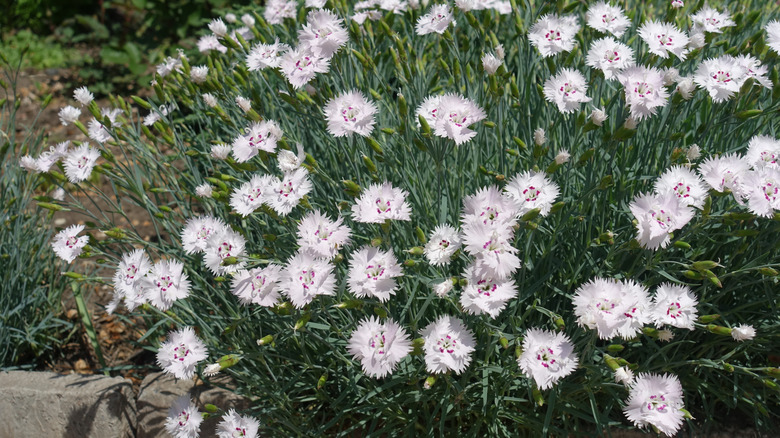
Dianthus comprises a mix of annuals, like China pinks (Dianthus chinensis), and perennials (Dianthus plumarius and Dianthus gratianopolitanus). Although variable, most perennial pinks overwinter in zones 3 to 9. Planting them in October will fill your garden with colorful blooms through winter and spring if you live in the mild south, or spring through summer in colder regions. Some varieties like 'Fire Star' may produce a second flush if you deadhead them. Dianthus is popular with pollinators, though not with deer or rabbits (luckily!), making it great around borders or foundation beds. But keep pets and children away, as leaves are toxic and can inflame the skin.