

Not Copper: The Surprisingly Simple Way To Trap Garden Slugs With Beer
We may receive a commission on purchases made from links.
Slugs are undoubtedly common (and challenging) pests to deal with in home gardens. These slithering land mollusks can quickly wreak havoc on a variety of ornamental plants and vegetables, creating destructive holes in leaves and flowers alike. They're also rather sneaky by nature, as slugs tend to feast at night and then hide from the heat during the day. But chances are, if you seek jagged-looking holes in your plants coupled with silver slime trails in the vicinity, you could very well have a slug problem. Slug management is essential to help prevent further damage and frustration, but you aren't limited to traditional copper barriers or other tricks. A surprising source of slug control may be in your refrigerator. You can in fact use beer to help create slug traps, but know that this method works best when paired with other control methods.
Trapping is a common method of slug control. While copper barriers are designed to help stop slugs in their tracks by deterring them with an electric shock when they make contact, these bands and wraps do not trap the pests. The idea of using beer in a slug trap seems unusual, but this method is actually recommended by several University Extensions. Here's how it works: Slugs are said to be attracted to the smell of the yeasty beverage, and will crawl over to the liquid to try and drink it. In theory, they will then fall into the trap and get stuck before they get a chance to reach your plants.
How to use set up beer traps for garden slugs
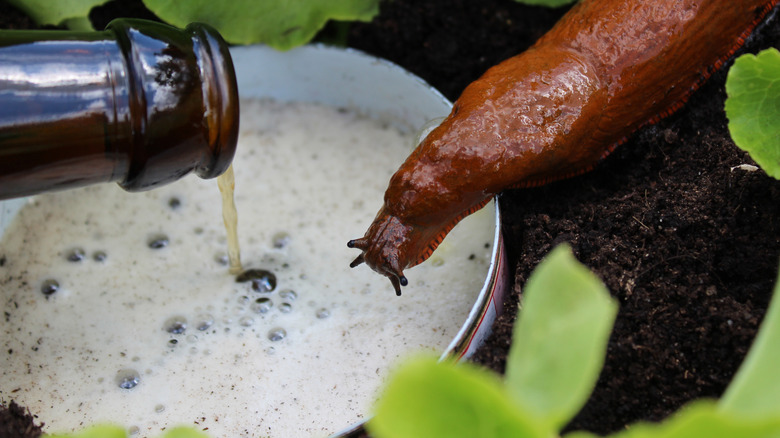
Before grabbing a cold one from your fridge, it's important to follow a few specific steps to ensure the success of beer traps against slugs. First, find a small container that can be buried at ground level while also having tall enough vertical sides so the slugs cannot crawl out of them. If you have pets or small children, consider using one with a lid you can punch a hole in for slugs to access the beer-filled trap. You can buy reusable containers designed specifically for such purposes, such as these Beer Slug and Snail Traps, but an empty yogurt or butter container can get the job done, too.
Place the container directly near the plants you're aiming to protect, and dig a small hole in the ground. Then, pour a few inches of beer in the container, until there is about 1 inch of room between the liquid and top of the lid, as recommended by the University of Minnesota Extension. Be sure to empty the container and repeat the process every few days to maintain maximum slug protection. Also, depending on the size of your garden and extent of the slug problem, you may need several beer traps out at once.
How beer traps compare to other slug management techniques
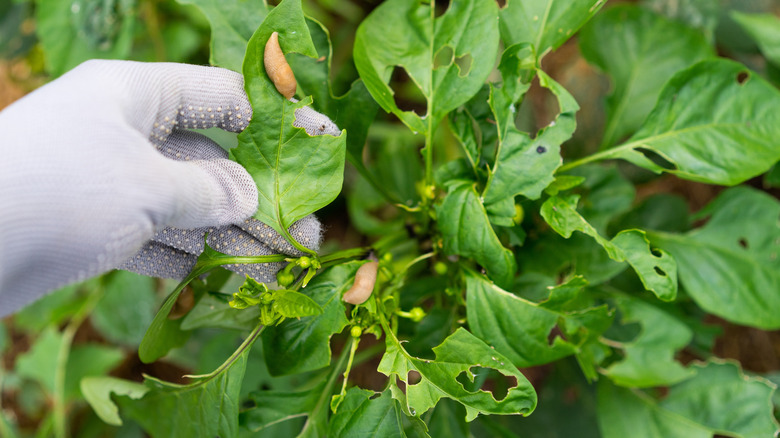
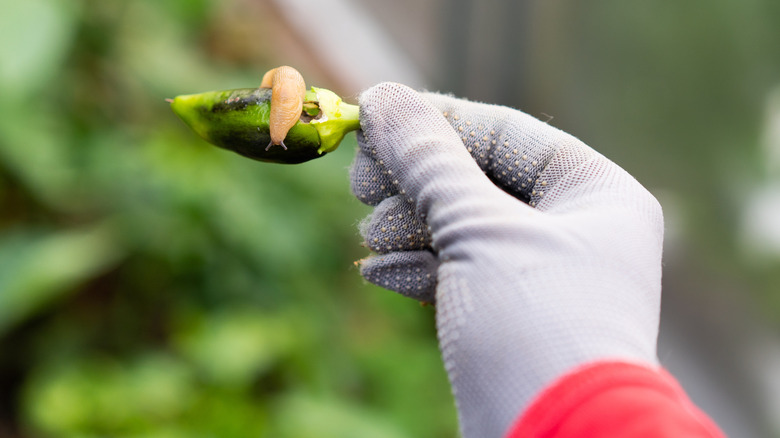
Using a beer trap is very similar to using yeast to attract slugs, but it doesn't require that you stir together multiple ingredients. It also works in a pinch if you see a lot of slug damage in your garden and you just so happen to have bottles or cans of beer on hand. Using beer traps is arguably much less time-consuming than picking them from fruits, leaves, and flowers by hand. All you need to do is empty the containers when they are full, and then start anew.
Beyond beer traps, you'll also want to make your outdoor spaces less favorable for slugs to hide out and thrive to begin with. Promptly remove piles of leaves, plant debris, and chopped wood, and go easy on mulch and stone accumulations that could entice these pests to take refuge during the day. If these garden pest management measures do not work in the face of significant slug infestations, you may consider chemical-based baits as last resorts. Look for those containing iron phosphate, metaldehyde, or ferric sodium EDTA, and keep them away from children and pets. Always follow pesticide label instructions carefully before use.