

What Can I Substitute For WD-40?

There are tons of surprising uses for WD-40 in addition to the regular, unsurprising ones, but that's only helpful if you actually have a can of it. If you're fresh out and don't have the time to go out and buy more — or you'd rather not use it for one reason or another — there are alternatives. What you swap the WD-40 for does depend on why you're using it, though. You can use either WD-40 or white vinegar to remove a sticker, but you can't use vinegar to oil your door hinges, for example.
One of the major benefits to WD-40 is its multifunctionality. While there aren't many things that do every single thing WD-40 can do, there are substitutes for any given individual use. To choose the best one, it's helpful to know how WD-40 works. Most of its uses boil down to using WD-40 as either a lubricant or a solvent. Naturally, that means that the substitutes will also need to be lubricants or solvents, depending on how you're using them. Lubricants reduce the friction between two or more objects, while solvents dissolve things or break them down. Some tasks can be done with either; for example, you can loosen a stuck bolt by using a lubricant to help it turn more easily, or using a solvent to break down any grit or grime that's blocking it from turning. However, a solvent won't prevent grass from sticking to your mower, so you'd need only a lubricant for that.
Vegetable oil
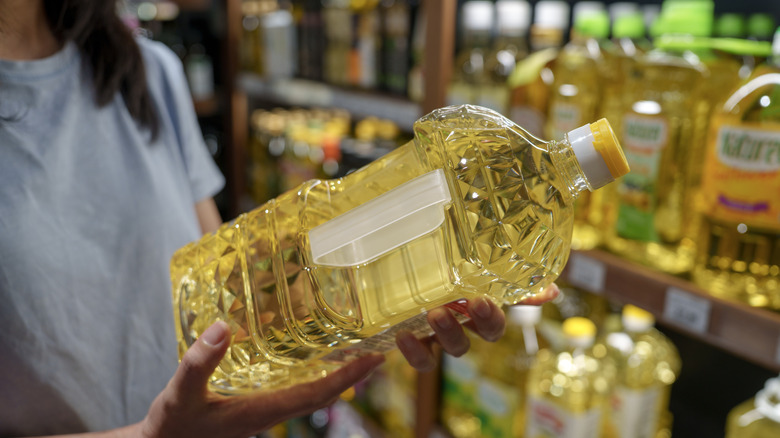
Vegetable oil is a pretty good all-around WD-40 substitute. You can use it to loosen stuck bolts and stop hinges from squeaking, either by itself or mixed with some acetone. It's also safer for use around flammable areas, such as your stove, although you should still be careful with them. Other cooking oils such as sunflower oil or olive oil can work similarly. You should note that the oil can congeal or leave a residue, making it best for short-term use and temporary fixes while you investigate the problem further.
Graphite lubricant
Graphite is a type of carbon that's used as pencil lead, but it can also act as a lubricant. It comes in a few different forms, from dry aerosol sprays to wet paste. It's a great substitute for WD-40, able to lubricate hinges, prevent rust, and even keep grass from sticking to your mower. There is one potential downside if you're using it indoors, though. Graphite is dark gray or black, and it can fall off of whatever you're using it on. If you have light-colored carpets, cover them before you start applying this lubricant to prevent stains.
Petroleum jelly
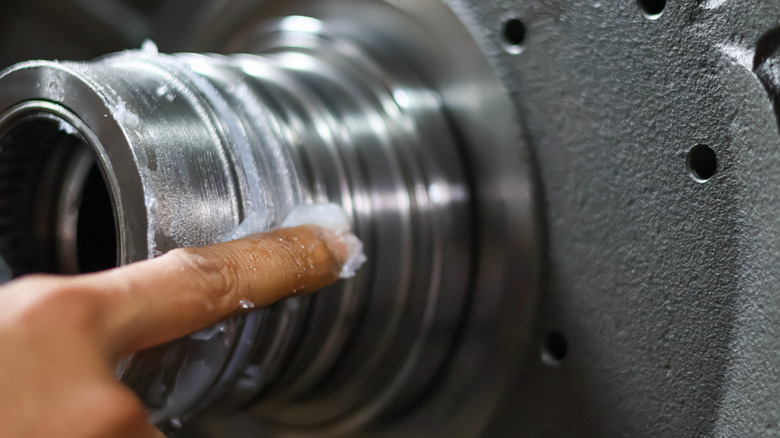
Petroleum jellies, including Vaseline, are convenient lubricants. You can use them for anything, from loosening a stuck window to helping your doors glide smoothly. They can also be used to reduce the risk of metal rusting. Regular WD-40 will work for this, and there are specialty WD-40 rust preventing products, too. But if you don't want to make a trip to grab some, just head to your cabinet and look for Vaseline or some other petroleum jelly. It isn't a perfect long-term solution, but it'll keep your metal rust-free for a while.
Coconut oil
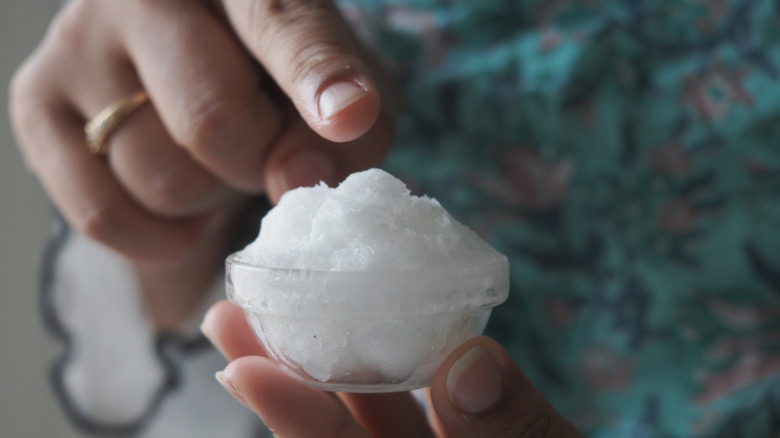
Coconut oil works as a lubricant the same way other cooking oils do — with one added benefit. Since it stays mostly solid at room temperature, you can apply it like Vaseline instead of dripping or spraying it. That might make it more convenient in some cases, especially if you don't have an eye dropper or spray bottle in your home. Of course, if you'd rather use it as a liquid, you can easily melt it. Coconut oil becomes a liquid just above room temperature, so all you need to do is warm it slightly before use.
Beeswax
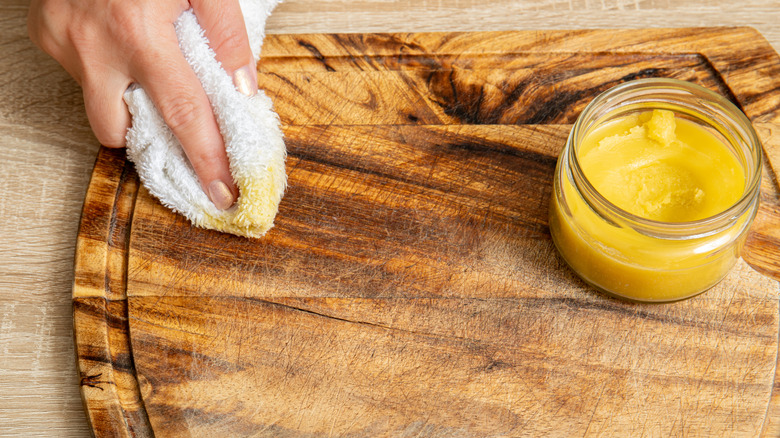
Similarly to vegetable oil, you can use beeswax as a lubricant instead of WD-40. It works well for fixing sticky drawers or doors that catch, and you can even rub it over your hinges to quiet their squeaking. In addition to working well, beeswax may be a preferred alternative if you find the smell of WD-40 unpleasant or want to avoid harsh chemicals. Beeswax is generally pleasant-smelling and biodegradable. Pure beeswax is also considered to be non-toxic, although you should always double-check the label for any additives before using it on a food preparation surface.
Cooking spray
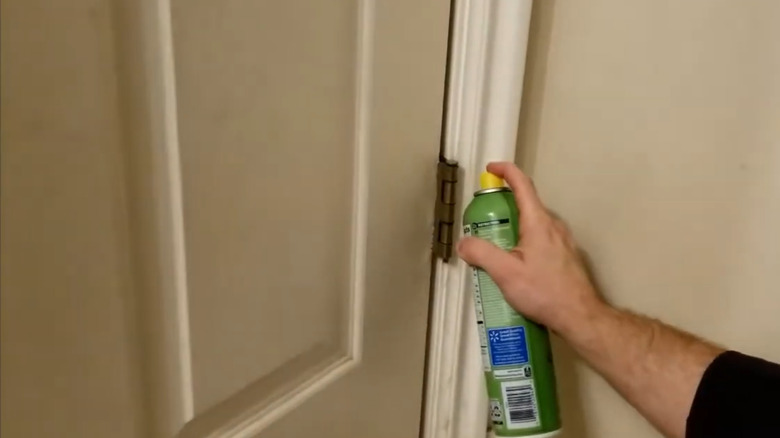
Cooking sprays are made from a mixture of cooking oils and various additives that prevent the oils from foaming and help propel them out of the can. You can use it as a lubricant to fix squeaky hinges, but there's another method you may want to try in the winter months. You can spray your snow shovel with WD-40 before use to stop snow from sticking to it, or you can just coat the shovel with your cooking spray of choice.
Plumber's grease
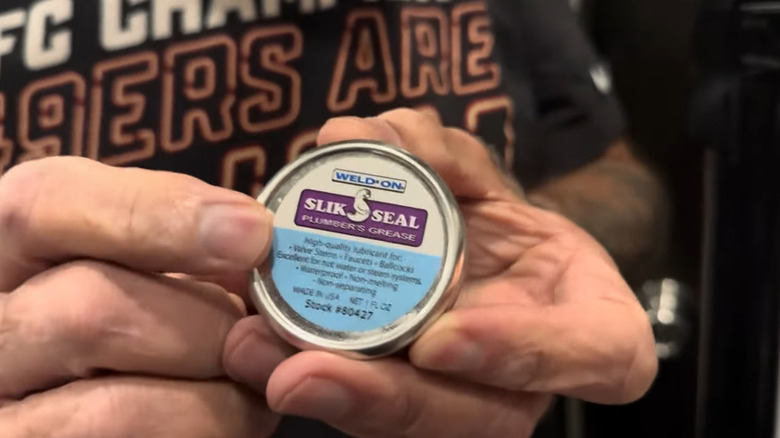
Plumber's grease is a silicone- or petroleum-based lubricant designed specifically for plumbing. It prevents rust, ensures fixtures fit smoothly, and preserves the seals around it. While you can use WD-40 to prevent rust in the bathroom, it will also damage rubber seals. While you may not want to use WD-40 as a substitute for plumber's grease, the reverse is a different story. That's particularly true when you need to alleviate stuck or noisy hinges or reseal a fridge seal to stop it from leaking cold air.
White vinegar
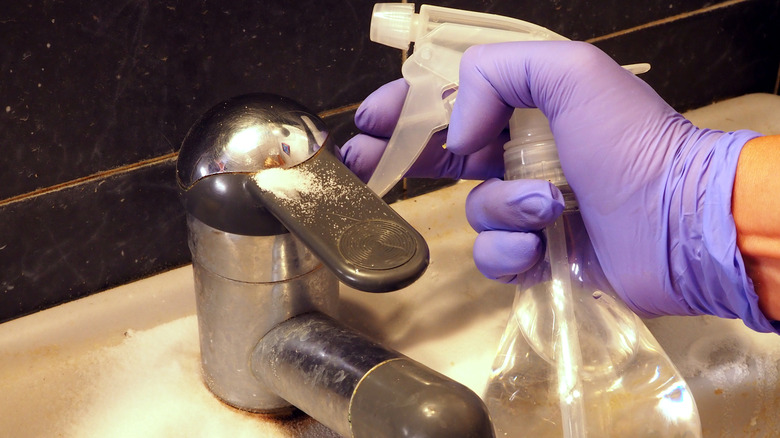
White vinegar makes a good substitute for WD-40 if you need a solvent since it's quite acidic and able to break down a variety of substances. Just like WD-40, white vinegar can help dissolve the adhesive keeping stickers in place. It can break down regular grit or grease and even weaken rust so you can even use it to loosen stuck bolts or nuts. You'll need to let the vinegar sit for a while, depending on how much rust you're dealing with, but it should break down enough to unstick the bolts in 15 minutes to a few hours.
Baking soda
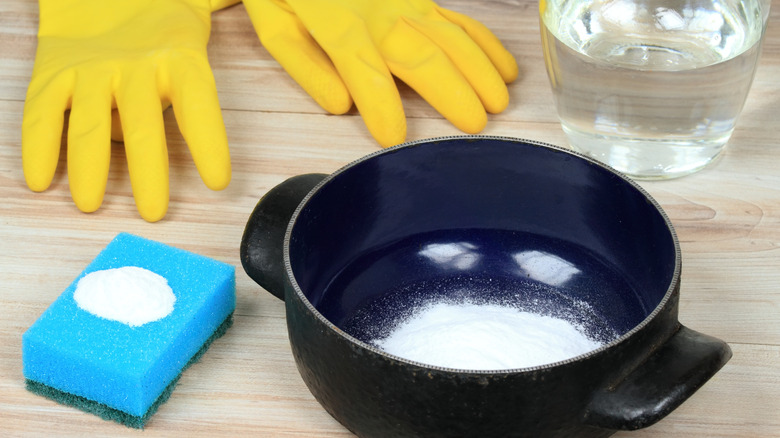
You can also substitute WD-40 for baking soda (mixed with a little water or oil) if you need to unstick something rusty or get rid of adhesive residues. Baking soda has an abrasive texture that helps scrape away parts of the residue or rust, although it's not quite as effective on heavily rusted items. Mixing the baking soda with water or any cooking oil forms a paste that's easy to apply. Just spread the paste on the problem area with your hand or a sponge, let it sit for a while, scrub, then rinse off.
Mineral oil
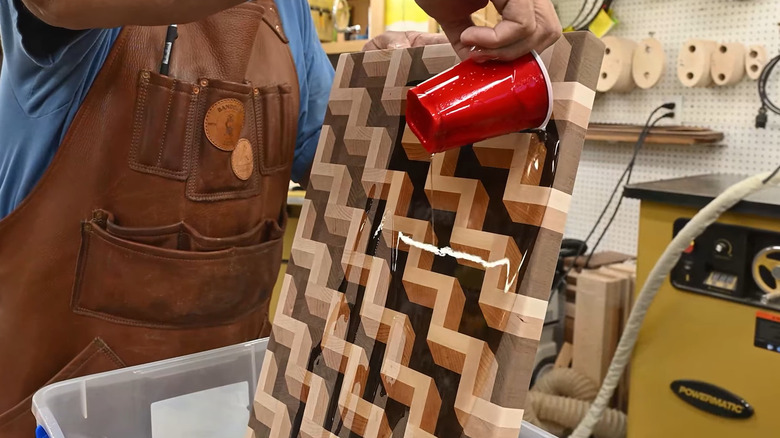
If you aren't familiar with it, mineral oil is a petroleum-based liquid that begins as a byproduct of turning crude oil into gasoline. It's refined further into a liquid with no color or odor, and you can use it for a variety of purposes. While WD-40 can be used to polish some wooden surfaces, mineral oil is an effective substitute. Food-grade mineral oil can be used on wood food prep surfaces like cutting boards, and it can give wood furniture a clear, shiny coat. Plus, its lack of scent may make it more appealing than the strongly-scented WD-40.
Soap
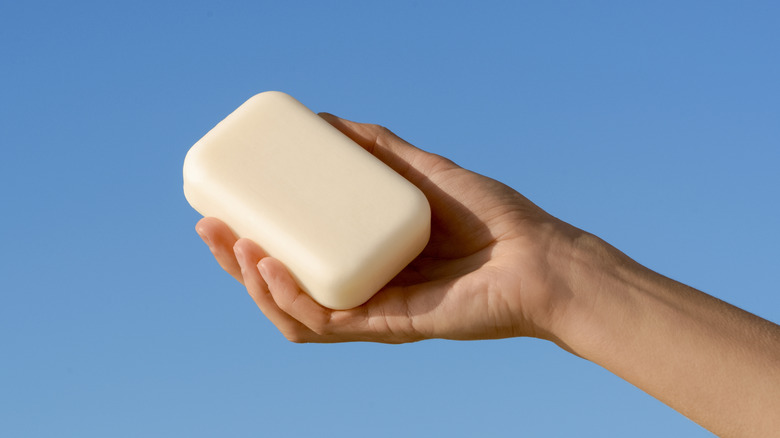
As far as lubricants go, soap may be one of the first you think of. Its slippery nature makes it good for reducing the friction between things, whether the friction is between your body and a homemade slip and slide or two parts of your door hinges. You can rub a bar of soap over the outside of the door hinges or the pin inside the hinge to smooth out its movements if you don't have any WD-40. Additionally, you can use plain dish soap and hot water instead of WD-40 to clean sticker residue off of non-absorbent surfaces.
Sewing machine oil
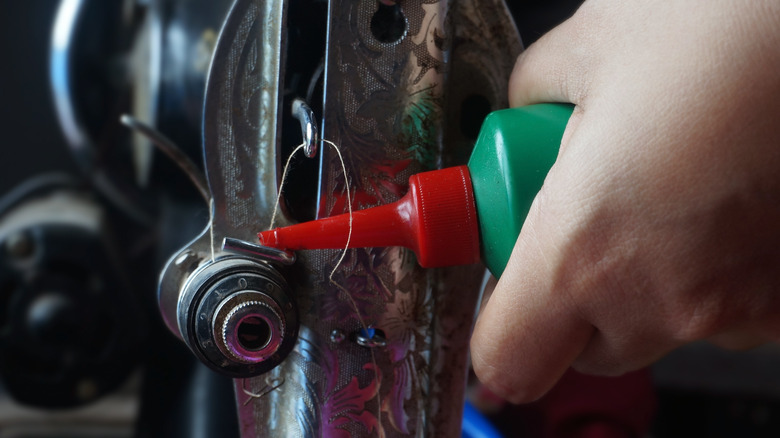
If you sew with a machine, you probably have a bottle of sewing machine oil nearby to keep your machine running smoothly. Did you know it can be used to replace WD-40 and keep your doors moving smoothly too? Sewing machine oil is a type of mineral oil or paraffin oil, sometimes called white oil, that is light and highly refined. You don't need much of it, so don't worry about your sewing machine going without. Just add a couple drops to the door hinges and the squeaking should stop fairly quickly.
Sandpaper
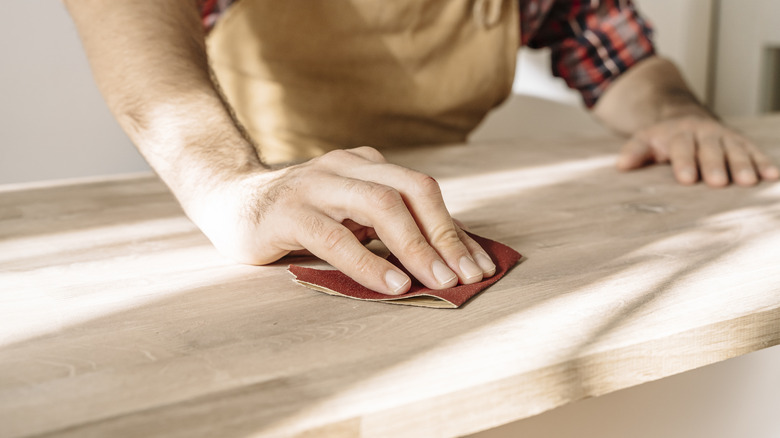
It may sound silly to swap a spray like WD-40 for sandpaper, but there's one specific case where it can work. If you have sticker residue on wood or glass, fine grit sandpaper can remove it. Sandpaper will work on other surfaces, but it can scratch more than just the adhesive, so it isn't suited for delicate or decorative pieces. It's best to only sand residue off of surfaces you were already planning on altering. For example, a piece of furniture you're going to refinish afterwards or glass bottles that you want to paint or upcycle for a craft.