

How Long Do Asphalt Driveways Last?
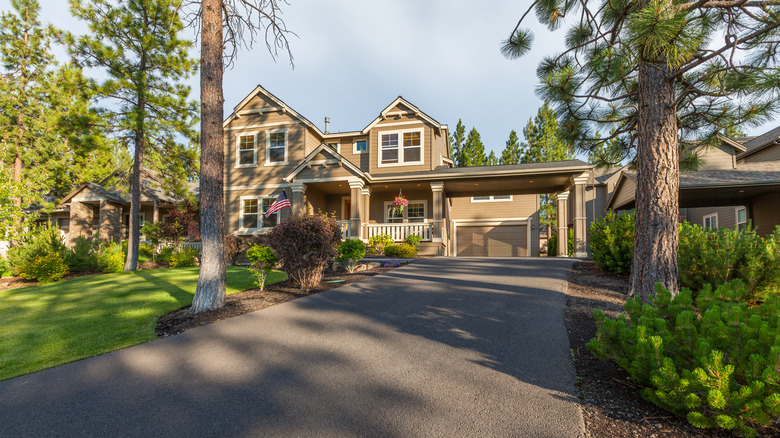
Many homeowners in the United States opt for concrete driveways since they're long-lasting and easy to maintain. With this driveway option so popular, it's easy to forget about another long-lasting pavement material. If you have a small budget but still want to install a reliable driveway, asphalt costs less than concrete upfront. One downside, however, is that it doesn't match the typical lifespan of a concrete driveway. Still, with proper care and maintenance, an asphalt driveway can last 20 to 30 years.
That shorter lifespan may cause some homeowners to turn away from asphalt. However, you shouldn't take it at face value. Factors like installation, traffic, climate, and maintenance can all affect how long it lasts.
This type of driveway also has several benefits over other materials. It requires less maintenance than gravel, and it is smoother than chip seal. It's also a solid and flat surface, which leaves fewer places for weeds to grow than paver and brick driveways. It typically costs $7 to $13 per square foot, making it relatively affordable upfront. Asphalt is also ready for use shortly after installation, making it practical for busy households or homes that don't have streetside parking to use while their driveway construction is underway.
How to make asphalt driveways last as long as possible
Asphalt is often passed over in favor of concrete, and a big argument for that is the differing lifespans. Concrete can last 30 to 40 years, but asphalt comes close with a 20- to 30-year estimate. It also lasts longer than chip seal, while gravel driveways need periodic refills of new rocks.
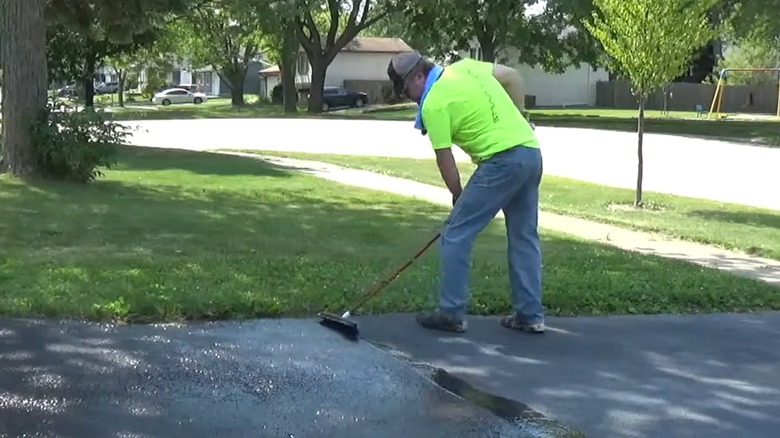
Like most material things, an asphalt driveway will last longer with proper care and maintenance. The simple answer is to sealcoat it as needed, often every two to three years. However, you should inspect it more frequently if you live somewhere with extreme weather, such as freezing winters or torrents of rain. Once there are signs of fading or small cracks forming in the asphalt, it may be time to reseal. Just make sure you start the process during a practical time. Don't reseal during excessively hot or cold temperatures, as they can interfere with proper drying and curing. Also fill sporadic cracks as needed. When one-off cracks appear in the asphalt, use a crack filler, like Black Jack Speed-Filler, to mitigate the damage.
It goes without saying that you should also avoid overdoing the maintenance. Sealing asphalt prematurely or on an annual basis can cause the coating to crack and peel. Instead of preserving your driveway, you could unintentionally diminish its lifespan. You'll also be spending extra money on maintenance, making it twice as hard on your budget. On a final note, before committing to any type of pavement, follow a homeowner's guide to choosing a driveway material. This may help you decide whether the long-lasting, sleek look of asphalt is right for you.