

Asphalt Driveways Simply Aren't Made The Same Way Anymore — Here's Why
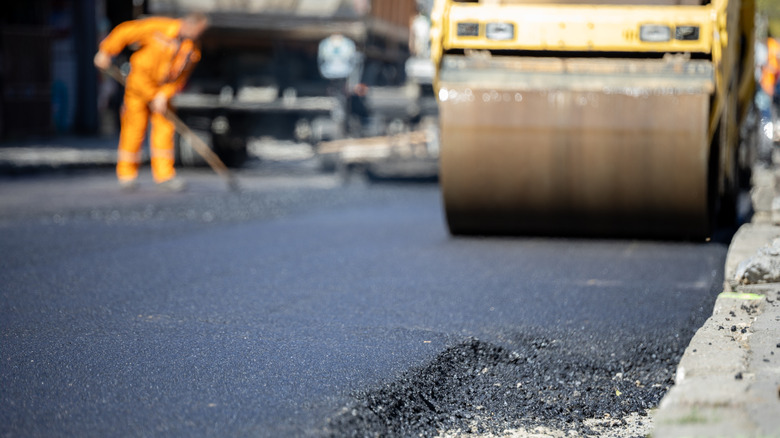
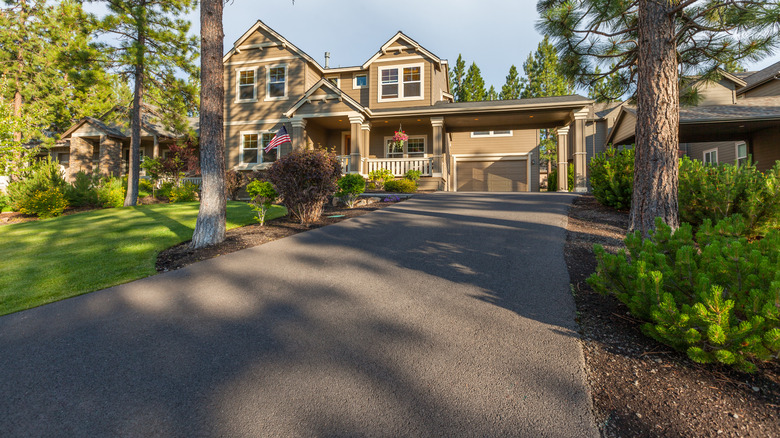
Whether it's in relation to cars or home appliances, we often hear the phrase, "They don't make them like they used to." This adage also applies to asphalt driveways, which are created in different ways than they were a few decades ago– except, that's a good thing. Today, asphalt is made from various mixes and materials that are increasingly sustainable, and it's installed more efficiently. These improvements have made modern asphalt more durable, quieter, and smoother to drive on, and helped maintain its cost-effectiveness compared to popular asphalt driveway alternatives like concrete and brick. Of course, that doesn't mean asphalt is automatically the best driveway material for your specific home, budget, and aesthetic, but there are several benefits worth noting, especially compared to asphalt of the past.
To some, it might be surprising to learn that not all asphalt is the same; there are different types of asphalt based on the size and structure of its aggregates– materials like crushed rock, sand, and gravel– as well as the type of binder used to hold this aggregate mixture together. Along with the different ways asphalt can be installed, this results in varying levels of durability, flexibility, traction, weather resistance, and more. One of the biggest advancements in asphalt this century is the increased use of recycled materials, as seen in the growing popularity of reclaimed asphalt pavement (RAP), a more eco-friendly driveway material.
How asphalt is different today, and what it means for your driveway
While traditional asphalt is broadly less eco-friendly than, say, brick and gravel, it turns out that the material is very easy to recycle. Today, old asphalt pavement is commonly shaved down by milling machines and the reclaimed material is processed and reused in brand-new asphalt mixtures. This process has been in place since the 1960s, but the prevalence has continued to expand in recent years, as the amount of RAP used in asphalt mixtures increased from 15.6% to 22.9% between 2009 and 2024. Asphalt is already comparatively low-priced, but this can mean even more savings for homeowners, as recycled asphalt is significantly cheaper than new, hot-mix asphalt.
The 21st century has also seen advances in the equipment used to install and maintain asphalt. There are now ways to track the compaction of asphalt in real-time as well as GPS-guided pavement systems that make the final product smoother and more durable. Driveway sealer has also taken a step forward, with new techniques and additives to resist cracks and sun damage, as well as to lengthen an asphalt driveway's lifespan. Asphalt has long been a popular choice for driveways, generally among the most common options alongside concrete and pavers, and the modern improvements it's experiencing continue to make it a high-performing and cost-effective option for homeowners.