

Here's Why Crabgrass Keeps Coming Back In August And September
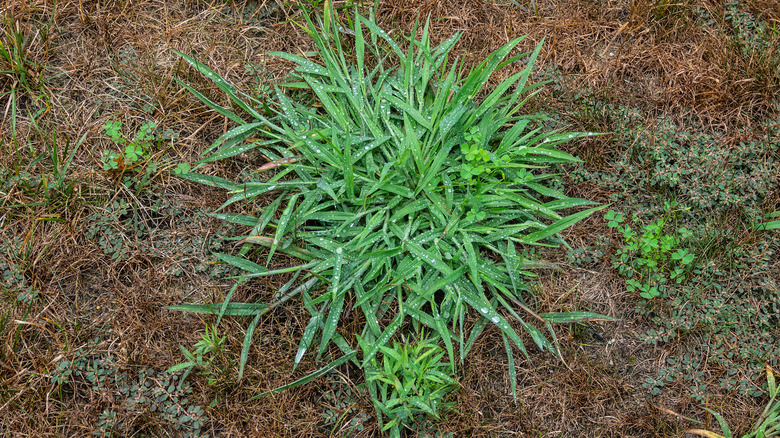
There's nothing quite as frustrating as tending to your outdoor space only to find pesky, unwanted weeds crashing the party. Most homeowners have become skilled at controlling common lawn weeds, but some are much more persistent than others, like crabgrass. The large-growing annual weed dies off during the first frost of the year; however, it reappears in August and September when most homeowners assume the headache is over.
What is crabgrass, and why is it a late-summer concern? The multi-stem weed grows quickly and close to the ground, thriving in hot weather. It begins to make its presence known in the spring, then kicks into high gear when summer conditions roll in. Crabgrass produces tons of seeds, averaging anywhere from 100,000 to 150,000 seeds per plant. With that in mind, it will require your attention even as summer begins to fade. But don't fret: You can emerge victorious in the crabgrass battle with proper maintenance.
How to get rid of returning crabgrass in late summer
There are a few reasons why crabgrass is still a nuisance in August and September. Killing the weeds won't necessarily stop their seeds from germinating, so you may find yourself dealing with the issue as the back-to-school season approaches. Birds and other garden visitors eat and spread the seeds. Crabgrass can handle hotter conditions than other types of grass, so it's more resilient and persistent. Most notably, you might not have applied pre-emergent on your lawn in the spring.
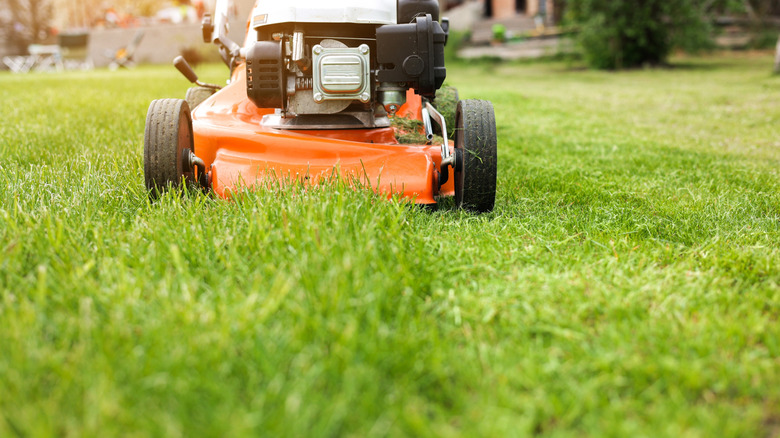
Even if you missed your window of opportunity in March and April, there are ways to combat the issue during August and September. First, upkeep is of the utmost importance, so make sure your lawn is mowed and fertilized regularly. When you notice crabgrass pop up, spray it with the proper post-emergent herbicide for your type of grass. This is especially important, as each type of lawn has specific needs, and certain herbicides might not work properly on what you have. Pulling on the pesky spots is also helpful, and applying about 2-4 inches of mulch afterward is ideal, but don't use the bits of grass that have been sprayed with herbicide in the mix. And, most importantly, get ready to act next spring with the proper pre-emergent herbicide before the crabgrass gets ready to rock n' roll.