

Take Cuttings From These 9 Outdoor Plants Before August Ends & Thank Us Later
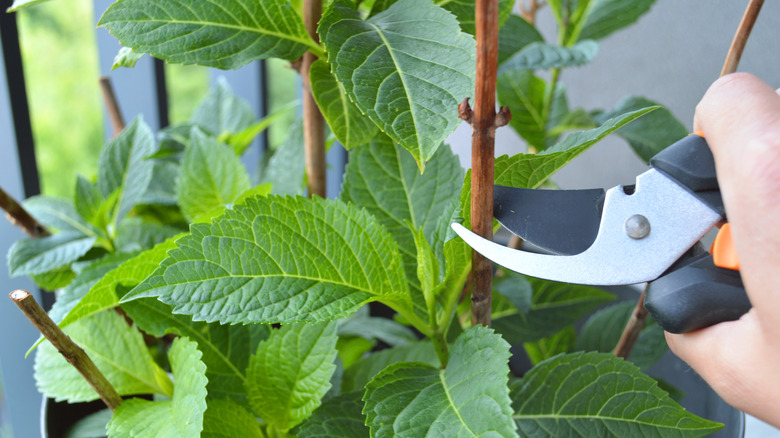
What's the best way to get more plants for your garden, without paying a visit to your local nursery? Take cuttings from existing plants, either from your own garden or that of a friend. Plenty of plants are easy to propagate from cuttings; you just have to get the timing right. For example, it's best to take cuttings from hardwood when the plant is dormant, during the winter. For semi-hardwood plants and certain softwood plants, August is often the ideal time to take a cutting.
When you take cuttings from semi-hardwood plants, you remove a stem that grew during the current year's gardening season. It will be mature, have leaves, and just starting to be woody. The cutting will still be soft and green at the top, but hard at the bottom, which helps to reduce the risk of it rotting before it fully takes root.
While it's usually best to take cuttings of softwood plants, including herbaceous plants, earlier in the season, if there are certain plants that won't survive the cold of winter in your area, August is the ideal time to take a cutting. You can overwinter the plant indoors and plant it outdoors again when spring returns. From lavender to sage to penstemon, get your pruning shears ready to propagate the following plants from cuttings before August ends.
Rosemary
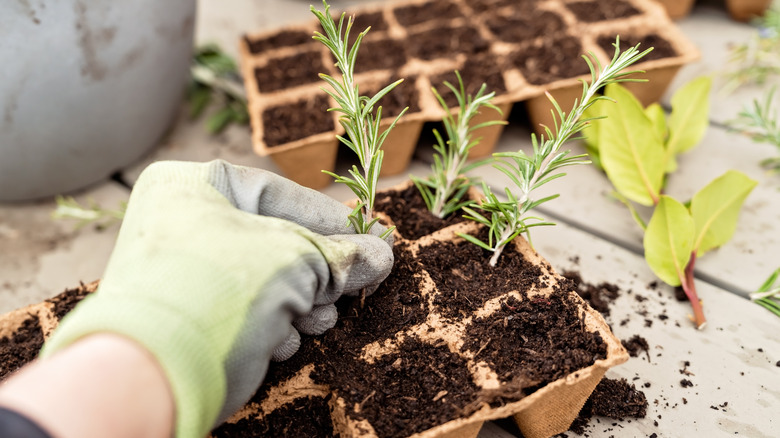
Rosemary (Salvia rosmarinus) is one of many herbs you can easily propagate through cuttings. Pick a stem that doesn't have flowers and that is semi-hardwood, meaning the tip is still green and soft but the lower portion is woody. Using clean pruning scissors, snip off a length of the stem that measures about 4 inches long and remove the leaves from the lower portion, leaving about six leaves near the top. Place in a small container with well-draining potting mix, water the mix, and drape a plastic bag over to keep moisture in.
Star jasmine
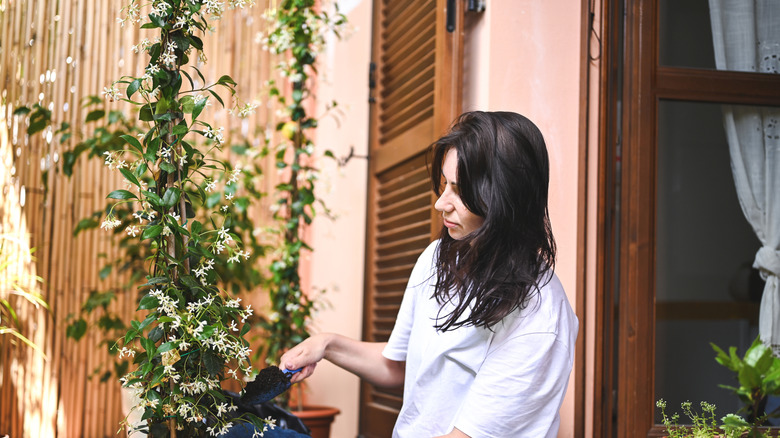
Star jasmine (Trachelospermum jasminoides) is a beautiful, fragrant vine that can act as a groundcover, too. Since the plant is only hardy in USDA zones 8 through 10, if you live in a cooler area, you'll need to take a cutting of the plant and overwinter it indoors if you'd like it to survive until the spring. Wear gloves when taking cuttings, as the plant releases a sap that can be irritating. To improve your chance of success, score or scratch the lower portion of the cutting's stem before placing it into your potting mix.
Lavender
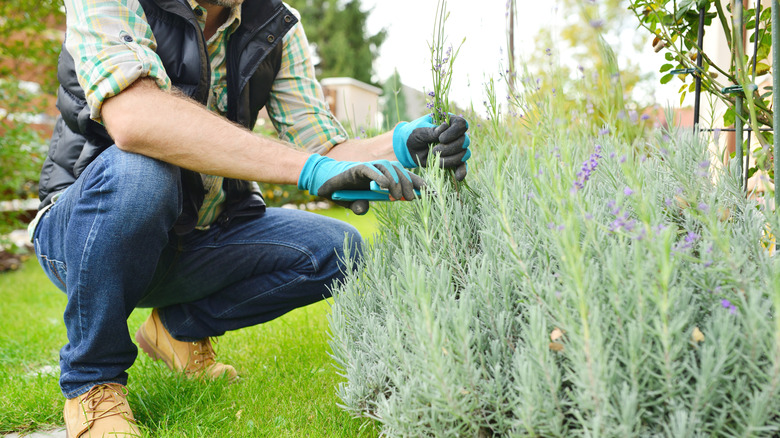
With its pleasing, floral scent and attractive purple flowers, who wouldn't want more lavender (Lavandula) in their garden? Similar to rosemary, August is the perfect time to take semi-hardwood cuttings from lavender. Cut a non-flowering stem from your lavender plant that's about 6 inches long. Remove the leaves from the lower part of the stem and place in a small pot with container soil. Water the soil and be sure to keep it moist over the next few weeks, as the roots develop.
Begonia
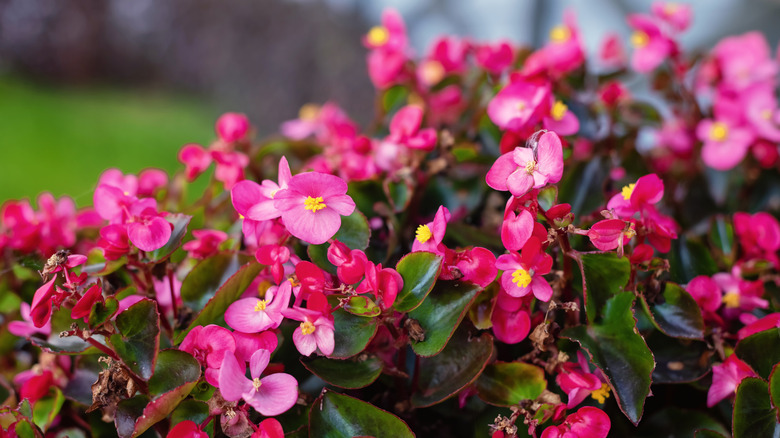
In the summer and fall, begonia (Begonia) adds beauty to your garden. Since it's only hardy in USDA zones 9 to 11, this is a plant you'll want to propagate and overwinter indoors if you live in a cooler climate. While you could take a cutting from begonia before winter, you're likely to have more success if you do it when the plant is at its most hale and hearty, in August. To propagate begonia, cut a stem off the plant, below a leaf node. Place the cutting in water.
Penstemon
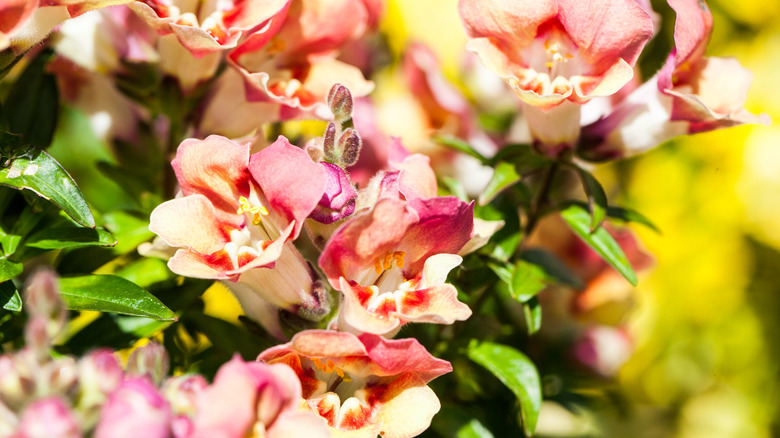
Penstemon (aka beardtongue, Penstemon) is an absolute hummingbird magnet, so it's no surprise you'd want more of it growing in your garden. It's also easy to propagate through cuttings, and August is the ideal time to get those cuttings, especially if you'll need to overwinter the plant indoors (it's hardy in zones 5 through 8). To take cuttings of penstemon, cut a 4 inch length of stem, removing the lower leaves. Place the tip of the stem into a small container filled with potting mix, then water well. Keep the cutting moist as it establishes roots.
Sage
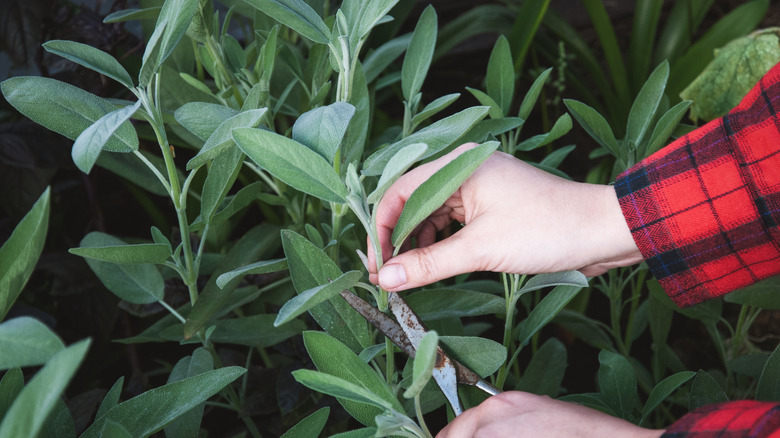
Nervous about succeeding with cuttings? Start with sage (Salvia officinalis), which is one of the easier plants to propagate through cuttings. Cut a 6-inch length of stem (one without flowers), just above a leaf node, removing leaves from the bottom portion. Place the tip of the stem in potting mix and water well. Keep the cutting moist and well-watered as it grows roots. You may want to place a plastic bag over top to trap moisture around the cutting. As the cutting gets established, keep it out of full sun.
Coleus
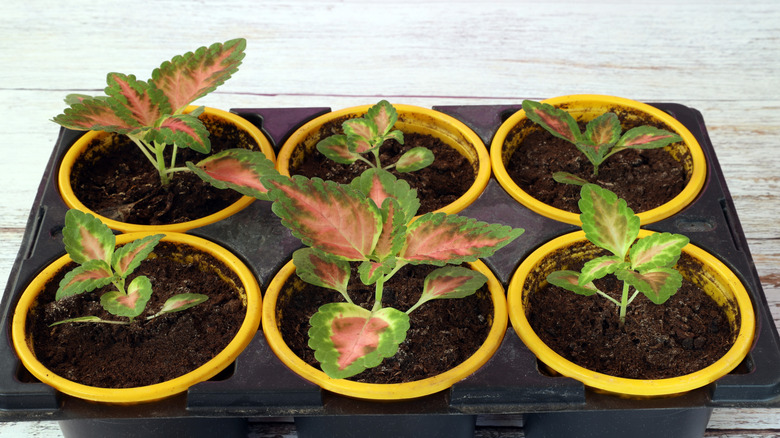
Like begonia, coleus (Coleus scutellarioides) is another beautiful, tender plant that won't survive the winter unless you're in USDA zones 10 or 11. So, taking cuttings in August, when the plant is at its prime, is your best bet. Cut several stems from the plant, below a leaf node, and place in a vase or jar of water. Change the water every so often and watch as the roots form. Keep the cuttings indoors over the winter, and don't be alarmed if some of the leaves fall off. As long as the roots are growing, you'll be able to replant the coleus outdoors after the last frost.
Boxwood
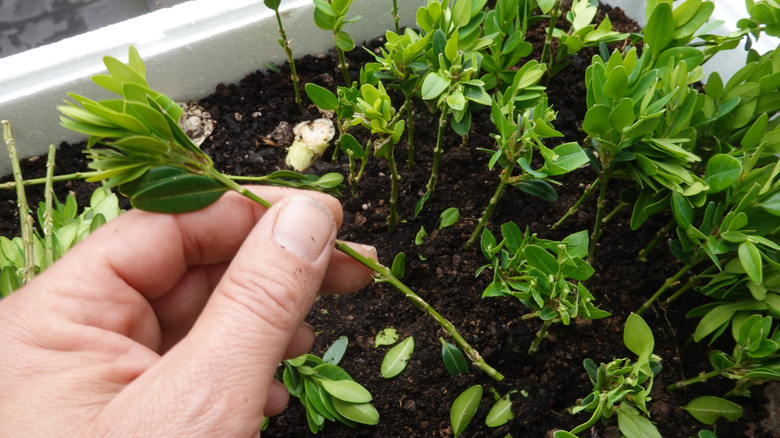
If you're looking for a bit of a challenge, try propagating boxwood (Buxus) in August. For the greatest chance of success, choose a stem that's bright green and has no signs of damage. Use a sharp knife to cut, rather than pruning scissors, which can squeeze the stem and limit its ability to absorb water. Instead of placing the cut stems in potting mix, choose a commercially prepared rooting medium. Remove the leaves from the bottom 2 inches of the stem and scrape or score it. Place in the rooting medium, water well, then cover with a plastic bag.
Hydrangea
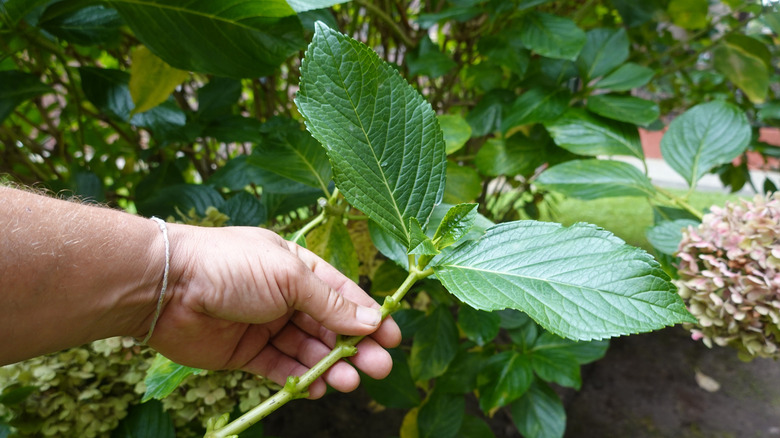
The most important thing to remember when taking cuttings from hydrangea (Hydrangea) is to choose a stem that doesn't have a flower on it, since the shrub blooms on the previous year's growth. The best time to take cuttings from the shrub is in August, when this year's growth is just starting to harden off. Remove the leaves from the lower part of the stem and cut the leaves that remain in half. Place the end of the stem in potting mix and water well. When the cutting starts to grow new leaves, you'll know that roots have formed.