

Neither Copper Nor Coffee Grounds: A Fresh-Smelling Way To Help Keep Snails Away
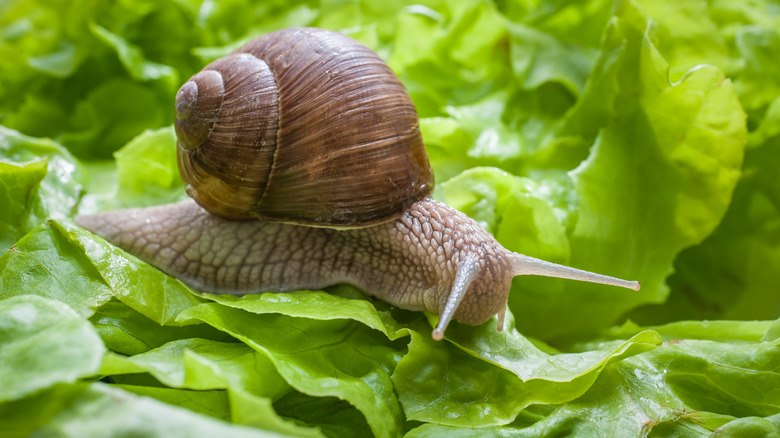
Snails are slimy little beasts that can wreak havoc in the garden, and you may have been battling them for years with things like copper tape, coffee grounds, salt, or even toxic snail bait. You may also have tried trapping them using fruit peels as a natural way to banish snails from flowers and veggie patches. But if you are interested in stopping the war on snails for good, or at least reducing the amount of damage you see, you can strategically design your garden with plants that snails naturally avoid. Not only is this a more humane way to manage these pests, but the plants look and smell great to us humans, making them a pleasant, long-term solution.
Snails (and their dreadful slug cousins) are deterred by strong-smelling herbs, including lavender, rosemary, thyme, and sage. Rosemary, in particular, is known as an easy-to-grow plant that keeps pests out of the yard. Other aromatic plants, such as mint and garlic, are also good snail barriers, and chives are toxic to snails and slugs. Fragrant herbs and plants work well because snails have a strong sense of smell that they rely on to find their favorite foods, such as lettuce, cabbage, strawberries, and hostas. They also use their olfactory senses to find other snails to mate with and to avoid predators. The strong scent of aromatic plants interferes with their ability to smell what they need for eating, reproduction, and safety. A garden full of fragrant plants is unattractive to these little land mollusks.
Plant strategically to deter snails
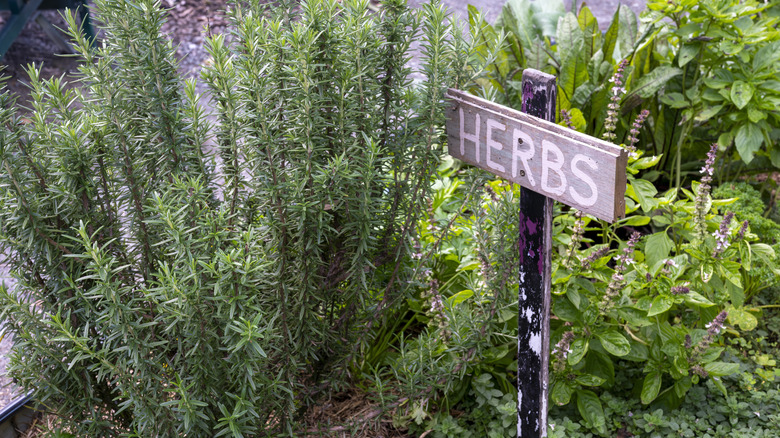
Snails don't eat anything and everything, even if it seems like they do. Plant strong-smelling herbs right among your most snail-vulnerable crops like lettuces, basil, and beans, and snail-favorite flowers like marigolds and dahlias. Pots are handy because they can be moved around as needed, and also keep spreading plants like chives, thyme, and mint from taking over your garden bed. Snail-deterring plants also work when added as a border around your garden patch, creating a living scent fortress.
Along with strong-smelling herbs and flowers, some plants act as physical barriers against snails. Ferns' dense foliage keeps snails out because they can't easily navigate the rough-textured leaves, and they don't like to eat them. Easy-care euphorbias are shrub-like plants that look pretty in the garden but excrete a sap that tastes bad to snails. (and irritating to people). Foxgloves (Digitalis purpurea) are also toxic to snails.
Adding fragrant herbs and snail-hating plants to your garden may actually work better than copper tape, which has been found in studies to have questionable efficacy as a snail deterrent, and coffee grounds, which actually kill snails and slugs. Keeping some snails around can be beneficial for your landscape as a whole because they play an important role in breaking down plant waste and acting as a food source for many types of wildlife, like birds and frogs, which eat other garden pests.