

What To Do Immediately If You're Bitten By A Brown Recluse Spider In Your Yard Or Home

Most spiders are harmless, beneficial creatures, but there are exceptions. Brown recluse spiders (Loxosceles reclusa) are among the only venomous spiders in the United States, along with black widows. While it's pretty rare to find brown recluse spiders, let alone be bitten by one, it does occur and can be serious. If you believe that you've been bitten by one of these potentially dangerous arachnids, try not to panic and thoroughly clean the location of the bite with soap and water. Because brown recluse spider venom sometimes causes severe reactions, it's crucial to seek medical help immediately. Call your doctor, a nurse help-line, or poison control right away, or go to a nearby hospital.
After washing the bite, place an ice pack or a clean, wet, cold cloth over the area to help with pain and swelling. Antibiotic ointment can be applied to the wound as well. Brown recluse bites are hard to identify, so it's best to try to capture the spider in a jar or plastic bag. Alternatively, take a photo of the arachnid to show your doctor.
Human reactions to brown recluse spider bites vary wildly, which is why it's vital to get medical attention as soon as you can after being bitten. While some people may not even notice the bite or will only experience mild symptoms, others could have severe or even deadly reactions. Older people, children, and those with illnesses are more likely to have serious responses to brown recluse bites.
Symptoms of brown recluse spider bites
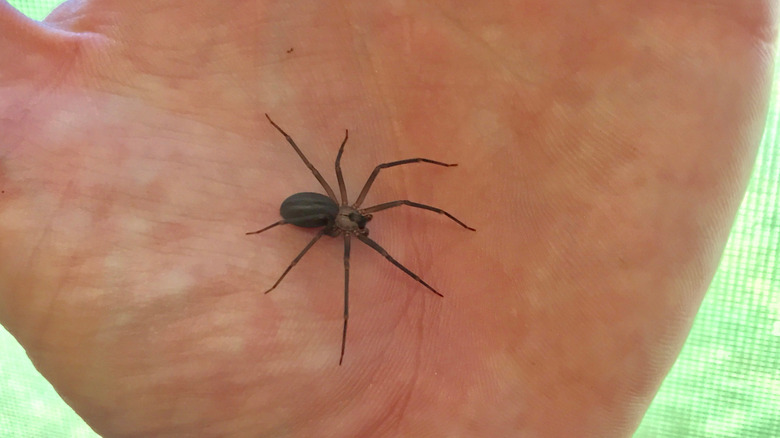
Generally, swelling, redness, and itchiness will begin within a few hours of being bitten, though some people will have different responses. Try not to scratch the area. The amount of venom the spider injected, the thickness of the person's skin, and previous bites can all contribute to how the bite will affect someone. Some individuals will have serious, systemic reactions with symptoms that can include nausea, vomiting, fever, chills, shock, joint pain, and restlessness. Even worse responses, like seizures, bloody urine, jaundice, comas, and kidney failure, sometimes occur. In very few cases, brown recluse bites result in death.
When a brown recluse spider bites someone's arm or leg, tying a bandage around the limb can help prevent the venom from spreading. Elevating a bitten limb may also improve swelling as you wait for medical assistance. The skin around the bite may turn a purplish color, due to issues with blood flow or dying red blood cells. Consider updating your tetanus shot if bitten.
The bite will often form a pimple-like blister that may eventually become a deep, volcanic-looking wound with necrotic flesh if untreated. Unfortunately, no antivenin exists for brown recluse spider venom, and bites are normally treated with antibiotics, corticosteroids, and other medical care. Typically, the sooner doctors are able to help, the better a bite will respond. Wounds from recluse bites heal very slowly, and it could take months before the area is completely better.
How to prevent brown recluse spider bites
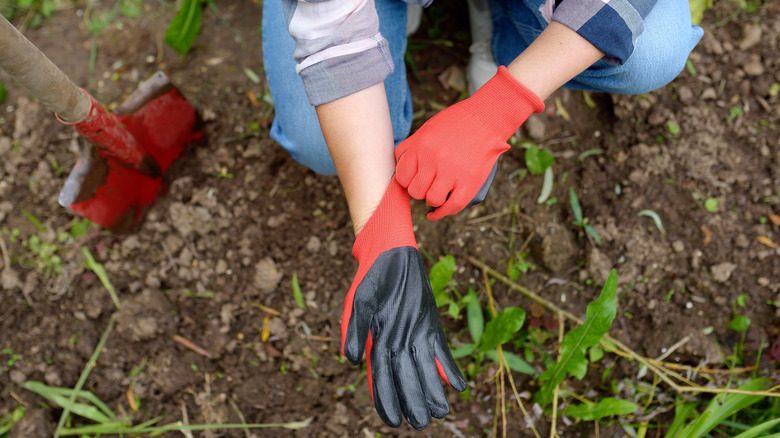
Brown recluse spiders are quite true to their name, and usually try to hide from people. They are not aggressive, and these arachnids tend not to bite unless they are directly bothered. If you find a brown recluse spider in your home or yard, use caution when removing it or leave it alone to prevent being bitten. Most bites happen accidentally when cleaning rooms that remain empty or doing yard work. When working outside, wear gloves as you stack wood or relocate rocks. Check your property, such as sheds, for spiders and their webs, and keep children away from dark, undisturbed areas that spiders would like.
Taking steps to keep brown recluses out of your home is important if you've seen them inside. Indoors, these spiders hide in undisturbed rooms and like cardboard boxes. When you're cleaning a part of your home you don't use often, wear long sleeves and gloves. Shake out bedding and clothes that you haven't used in a while to prevent accidentally coming into contact with a spider. Surprisingly, a vacuum can help to get rid of a few spiders and their webs, but full-flown infestations may require professional pest control. To keep the spiders out of your home, try sealing any small cracks that lead outside.