

Cleaning Vs. Sanitizing: What's The Difference?
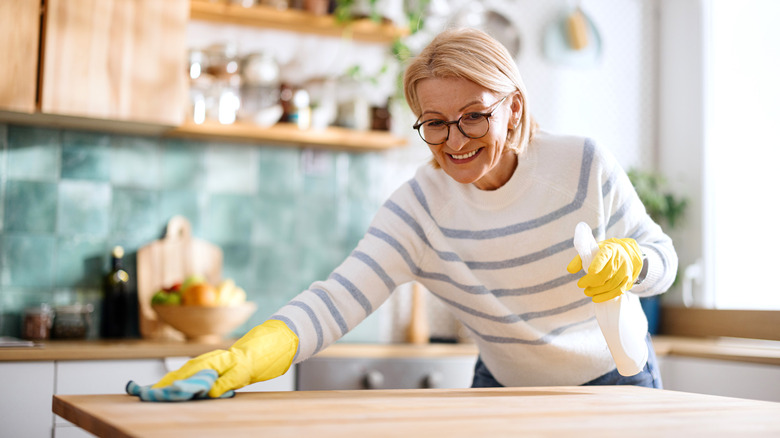
Have you ever spent a Saturday morning cleaning your house from top to bottom, wiping down every surface, and feeling like it was sanitized? If so, you're not alone. Many people use the terms cleaning and sanitizing interchangeably without realizing how different they actually are.
If you really want your home to be germ-free, you need to do more than wipe it down. Even deep cleaning your house isn't enough to kill bacteria and viruses. According to the Centers for Disease Control (CDC), cleaning and sanitizing serve two very different purposes. When you clean, you're simply removing dirt, dust, crumbs, and impurities that you can see. Sanitizing takes cleaning one step further by using household items to help you fight germs, bacteria, and viruses.
Regular cleaning can leave behind microscopic particles that spread illness and infection. If you have allergies, certain particles, like mold, can even make your symptoms worse. On the other hand, sanitizing a surface without first cleaning it may also not be enough. Germs can hide in surface dirt. Knowing when to clean and when to sanitize can help protect your health and prevent illness.
What items require basic cleaning and which demand thorough sanitizing?
For low-risk areas of your home, basic cleaning is more than enough. This includes windowsills, decorative shelves, and furniture. Most of the time, you can just wipe these surfaces down with a gentle cloth and warm, soapy water. For general upkeep, a microfiber cloth can help keep dust from building up.
High-risk areas and surfaces, like doorknobs, light switches, and bathroom sinks, absolutely need to be sanitized. This includes children's toys, infant items such as bottles and pacifiers, kitchen counters, and cutting boards. Because you use these items every day, they often become a breeding ground for bacteria and germs. Washing with soap and water usually isn't enough to disinfect them.
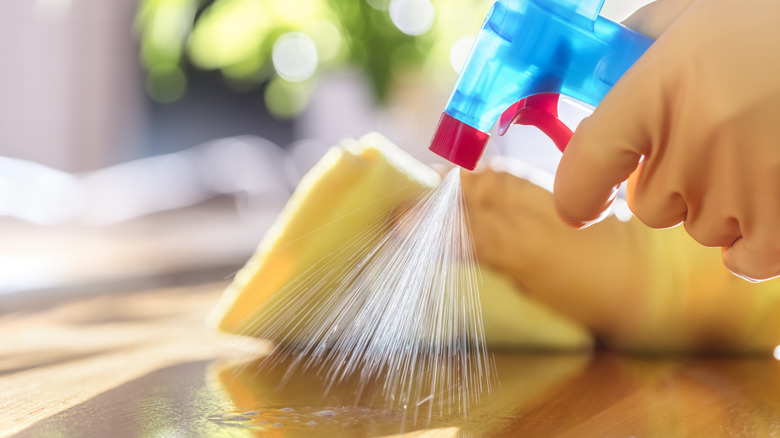
When it's time to sanitize, first start by cleaning the item with warm, soapy water and a cloth. Let the area dry completely. After it's clean, apply a sanitizing solution. You can purchase a commercial bacterial spray or make your own by combining half an ounce of bleach with one gallon of water. For heat-safe items, like baby bottles and pacifiers, run them through the dishwasher on a high-heat setting. It's also important to note that when using a commercial cleaner, check the label for the correct contact time. This is the time it takes for the cleaner to kill bacteria. Leave the cleaner on for the recommended time before wiping it away.