

Planting Zinnias? Avoid Growing Them Near These 10 Plants
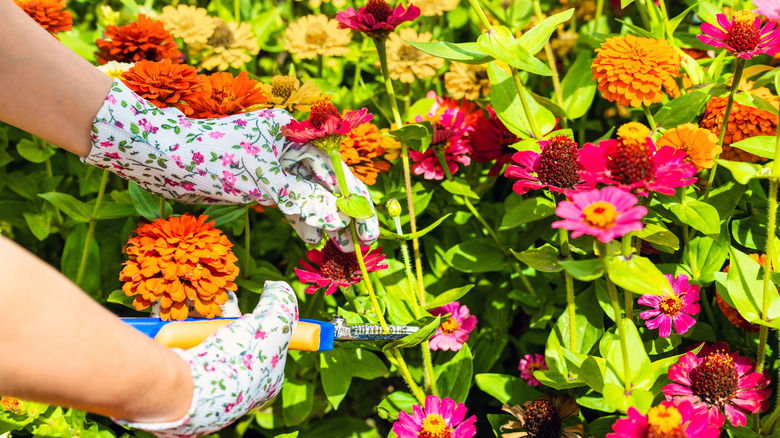
Want to add a dose of bold, bright color to your garden? Plant zinnia (Zinnia), a member of the daisy family known for its rainbow of colorful flowers, which bloom from spring until fall. However, while zinnia may add a dose of pep to your garden space, it doesn't always play nicely with other plants. In those cases, you'll want to keep them far away from each other for several reasons.
Some plants compete with zinnia for precious nutrients in the soil, meaning both will suffer if planted near each other. Others just have incompatible needs. For instance, they may want shade or tolerate drought, while zinnia loves the sun and needs regular watering. Finally, some plants can be downright hostile, restricting neighboring flowers' growth or otherwise causing harm. When growing zinnias, give them a spot in the garden that gets full sun for at least six hours a day; that has well-drained, moist soil, and that's as far as possible from the following plants.
Cucumbers
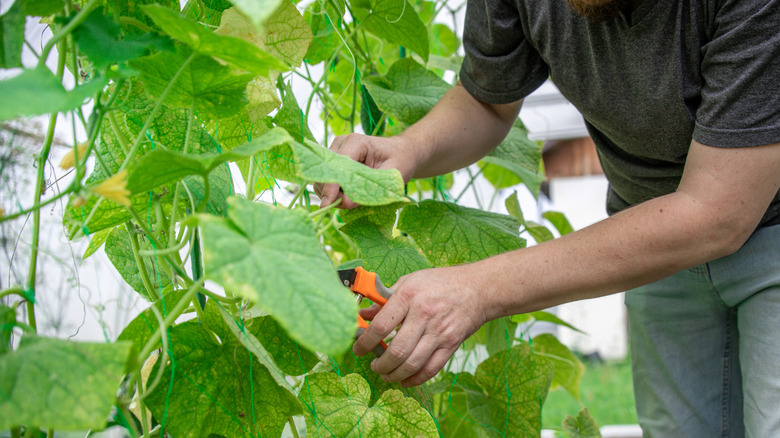
Keep your zinnias clear of cucumbers (Cucumis sativus) and other members of the cucurbit family, like melons and squash (both winter and summer). Cucumbers are thirsty plants that require at least one inch of water per week, much more than zinnia needs. Too much water increases zinnia's risk of developing powdery mildew. If you need another reason to keep these species apart, here's one — cukes are hungry plants and are likely to suck up all the soil nutrients that zinnia needs, too.
Sunflowers
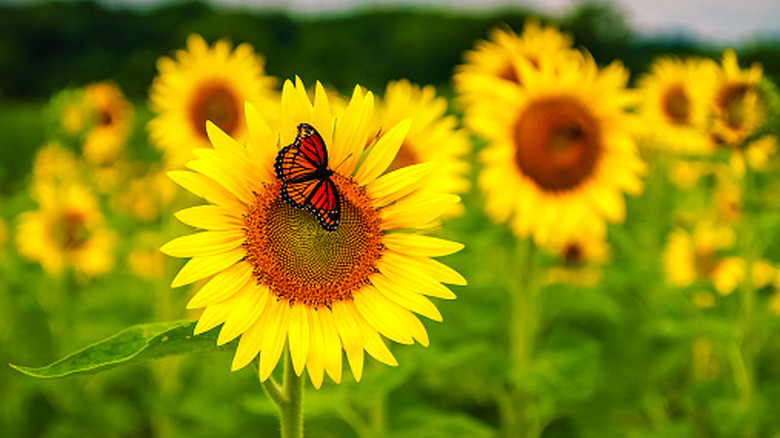
If you want to start a flower garden for cut flowers, growing zinnia alongside sunflowers (Helianthus annus) may seem to make sense. Unfortunately, the two boldly blooming flowers aren't good garden companions. Sunflowers will eventually grow tall enough to create shade that makes it harder for zinnia to bloom. In some cases, planting sunflowers too close to zinnia may make it difficult for the latter seeds to germinate.
Mint
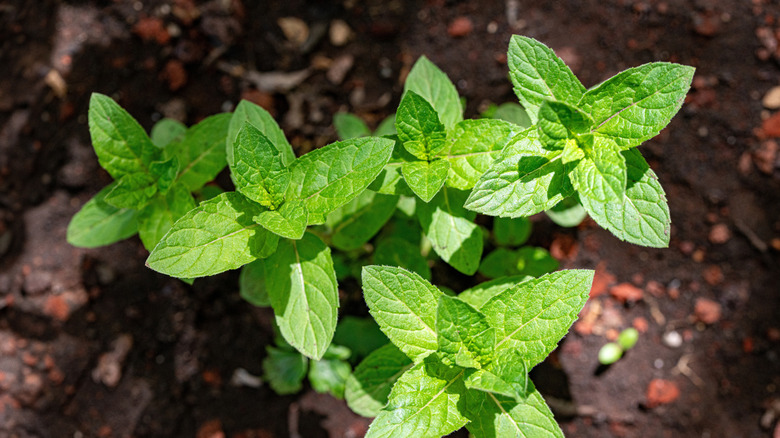
Although it's known for quickly taking over a garden space, mint (Mentha) is usually a pretty good companion plant. But not with zinnia, for a few reasons. For one thing, mint can tolerate the shade, although it also does well in full sun. It does best in moist soil and can tolerate wetter conditions than zinnia. And, perhaps most importantly, it can totally overtake a space, crowding out your zinnia flowers. The aggressiveness of mint can also interfere with airflow in the garden, increasing zinnia's risk of developing powdery mildew or another fungal infection.
Lavender
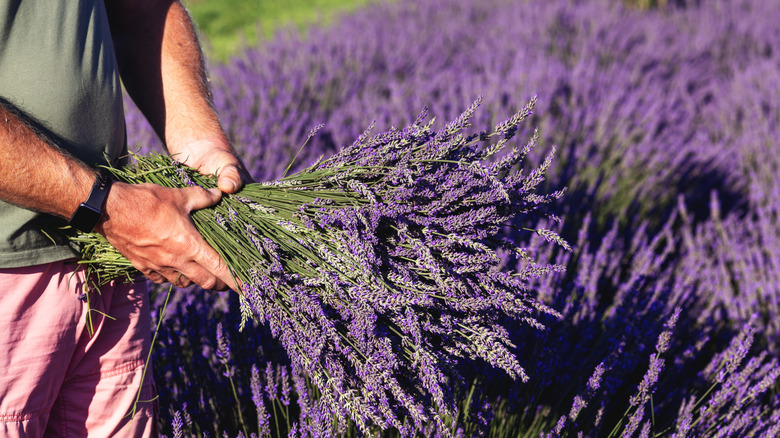
Aesthetically speaking, lavender's beautiful purple flowers play nicely with zinnia's bright pink, orange, and yellow blooms. While you may be happy to make a cut flower arrangement that mixes the two, in the garden, they don't belong together. Lavender (Lavandula) is a drought-tolerant herb that does best in slightly dry soils. Meanwhile, zinnia needs moist soil to thrive. Along with growing lavender separately from zinnia, it's best to keep the flowers away from other drought-tolerant, Mediterranean herbs, like rosemary, sage, and thyme.
Morning glory
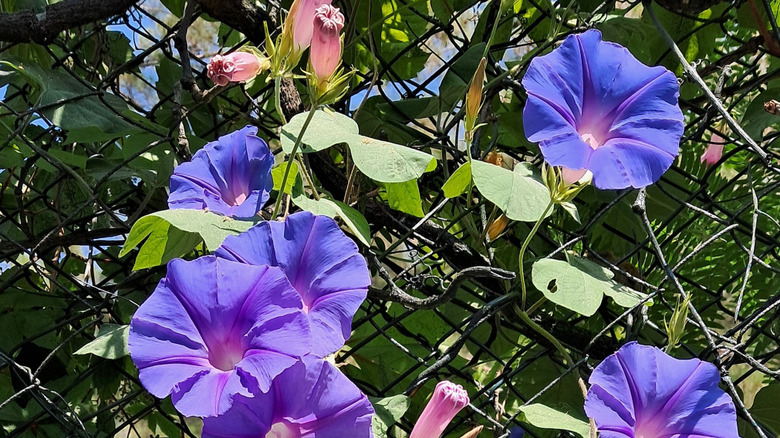
What's the story with morning glory (Ipomoea spp)? The fast-growing, vining plant is one of the easiest flowers to grow and is known for taking over gardens, meaning it can quickly crowd out your zinnias. Additionally, morning glory's vines may occasionally climb up the long, thin stems of zinnias, making it challenging for you to use them as cut flowers. Boldly colored, easy-to-grow plants that make better garden companions for zinnia include petunias, cosmos, and nasturiums.
Hydrangea
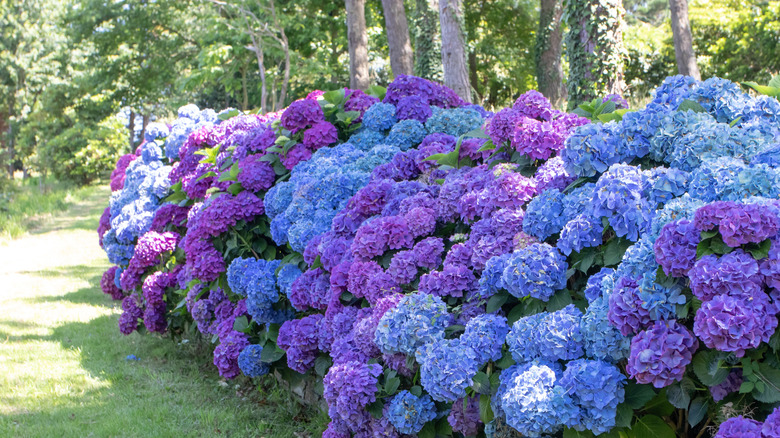
Zinnias love the sun and need to be in a sunny spot in your garden. On the flip side, hydrangeas, notably big-leaf hydrangea (Hydrangea macrophylla) need shade and won't thrive in locations that get more than six hours of direct sun per day. So, plant zinnias in a completely different area of your garden than your hydrangeas. The same is true for other bushes that love the shade, like azalea (Rhododendron). Since hydrangea, azalea, and zinnias all have colorful blooms, keeping in different parts of your garden means more color all around.
Impatiens
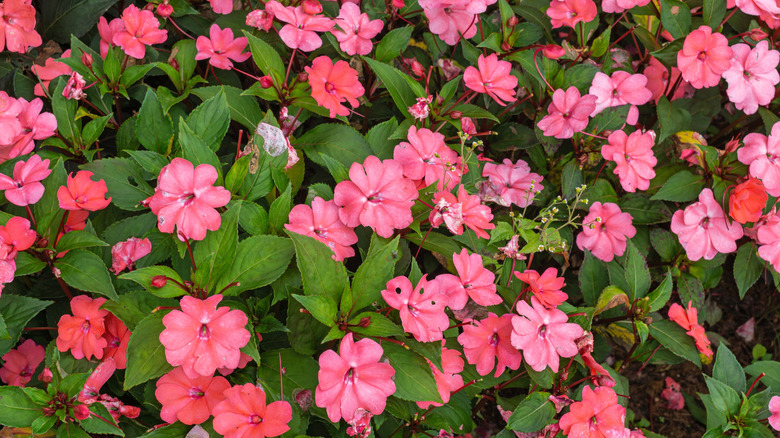
Impatiens (Impatiens walleriana) is another long-blooming, colorful flower that's popular in the garden. While zinnias thrive in full sun, impatiens do best in part or full shade, meaning the two plants need separate zones in your garden. Another reason to keep zinnias and impatiens apart is that both are susceptible to powdery mildew, which can spread more easily when there isn't good air flow. Impatiens are also susceptible to downy mildew, which is caused by Plasmopara obducens, a type of water mold, and that flourishes when plants are crowded together.
Fennel
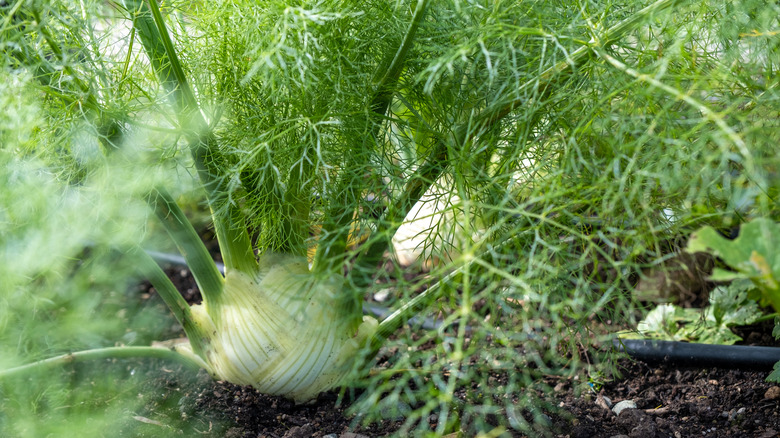
Fennel (Foeniculum vulgare) is what you might call a loner in the garden. While some plants will happily grow alongside plenty of others, that's just not the case with fennel. It's a heavy feeder, meaning it will compete with zinnia for soil nutrients. The plant's roots produce allelopathic chemical compounds which are specifically intended to inhibit the growth of other plants. That means it may block the germination of zinnia seeds or otherwise stunt the plant's growth. This isn't the only case where proximity to fennel poses a problem — it's also a plant never to grow alongside tomatoes.
Tomatoes
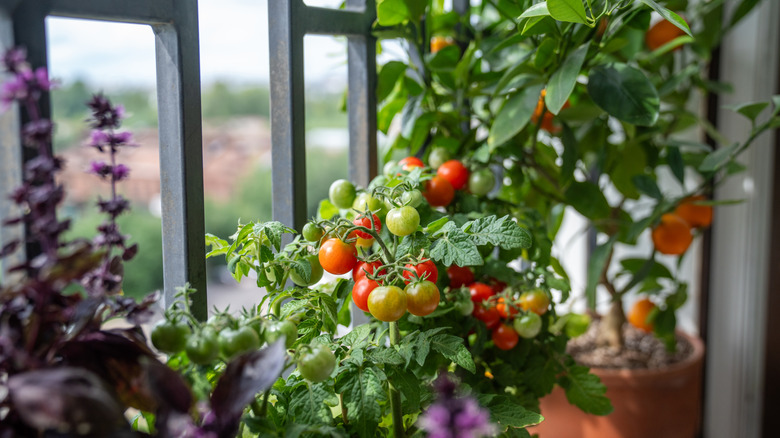
Speaking of tomatoes (Solanum lycopersicum), you also shouldn't grow them near your zinnias. The reason is simple — both plants want too much of the same thing. Both thrive when there's plenty of potassium and phosphorus in the soil and both will compete for it. Depending on the type of tomato you plant, its growth habit can easily crowd out your zinnias, creating crowded conditions that increase the risk of powdery mildew or that limit zinnia's access to the sun.
Marigolds
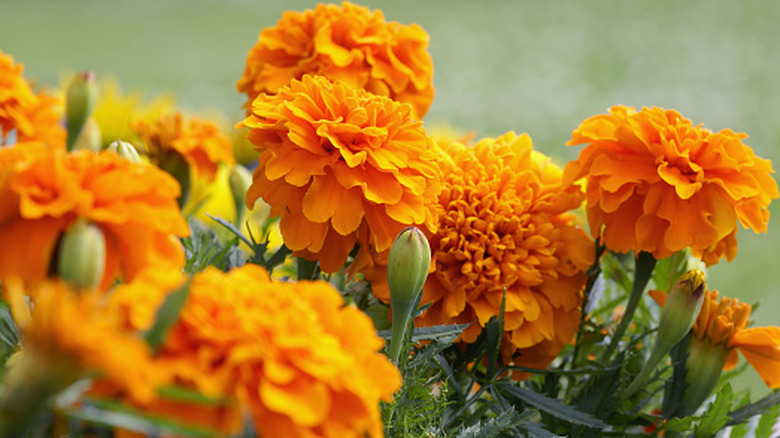
Should you plant zinnias and marigolds (Tagetes) together? Some say yes, asserting that the two flowers are perfect garden companions because both love the sun and have similar moisture needs. But, then others say no, since marigolds produce a chemical, alpha-terthienyl, which may also harm zinnias. Another reason to keep zinnias far away from marigolds in the garden is that both are susceptible to the same diseases, notably powdery mildew, which can spread between the two if they're close together in the garden.