

Lawn Mower Blades Vs. Mulching Blades: What's The Difference?
Shopping for mower blades can be confusing, especially with so many different types on the market. However, for the average homeowner, there are only two types of blades you need to know about: standard and mulching mower blades.
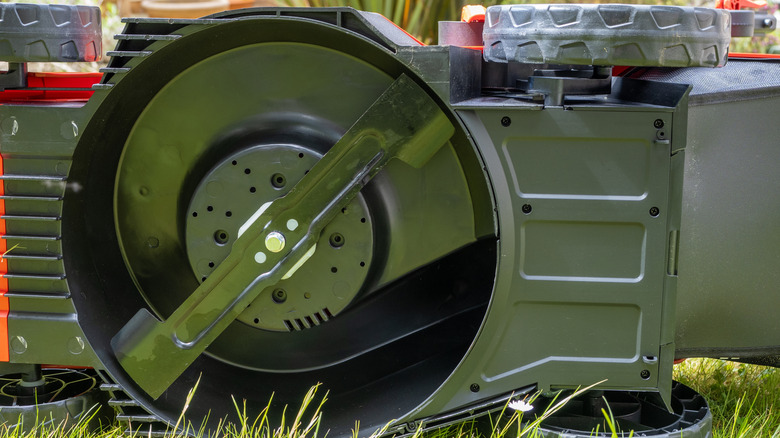
Standard lawn mower blades, also known as high-lift blades, are straight blades with a slightly curved tip. This shape creates a strong updraft, which forces the grass to stand up straight. This allows for a nice, even cut that propels the trimmings out of the mower deck or into a collecting bag. Standard blades can also be referred to as 2-in-1 (aka discharging and bagging).
Mulching blades feature several curves along the blades. These increase the cutting surface area. Don't confuse the curves of a mulching blade with those of a bent lawnmower blade, which you should always replace. No, a mulching blade's curves enhance its ability to cut grass into small mulch bits, which can either be discharged back onto the lawn or into a bag. You may also see mulching blades referred to as 3-in-1 for this triple feature. Some mulching blades also come in a cross ("+") formation, which is two blades stacked perpendicular to one another. However, these are mostly used on older lawn mowers.
Choose the right lawn mower blade for the job
Depending on the type of grass growing in your lawn, you're likely to mow every five to seven days. This schedule is perfect for standard lawn mower blades, which can handle taller grass but not overgrown grass. They're also a great choice for those who prefer to bag and remove the grass clippings.
Since retailers are in charge of which blades are affixed to certain mowers, there is a good chance most lawn mowers don't come with mulching blades already installed. If you want to turn your lawnmower into a mulching mower, you need to purchase and install a mulching kit. These kits come with a mulching blade and a plug for the mower's discharge opening. The plug enables the machine to spread the smaller mulched bits across the lawn. These decompose faster and return nutrients to the soil. This is a great way to naturally fertilize your lawn, helping the sod grow thicker and stronger. Mulching is also an excellent mowing method to prevent the spread of weeds.
Mulching requires mowing every three to four days. This is because mulching blades clog easily if used on tall or wet grass. The good news is that mower blades can be changed out very easily, so using a combination of both standard and mulching blades could be the key to a healthy, vibrant lawn.