

Destroy Annoying Crabgrass With A DIY Solution You Already Own
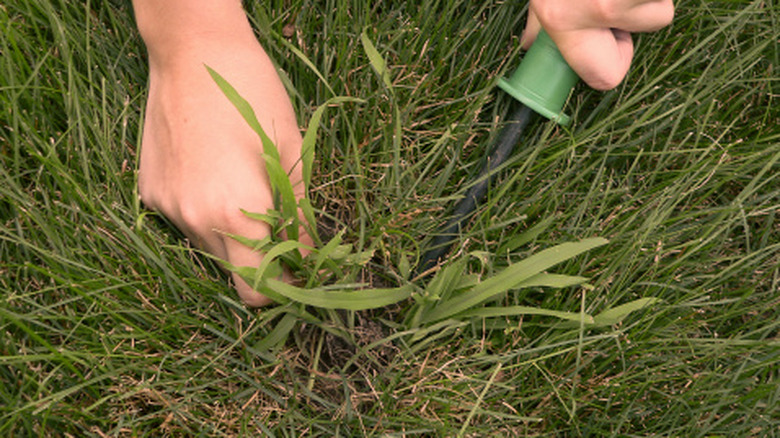
Small crabgrass (Digitaria ischaemum) and large crabgrass (Digitaria sanguinalis) are among the most common lawn weeds that are tough to control in the yard. Both types of crabgrass form patches that can grow aggressively and produce thousands of seeds. Being such a nuisance, it is not uncommon to apply chemical herbicides to a lawn in order to get rid of crabgrass. But if you're looking for a safer and more natural way to control these weeds, you might be able to destroy the crabgrass using a DIY solution you already own.
Rubbing alcohol can be used for cleaning glass, disinfecting wounds, and a variety of other tasks. So, it's a common item to have on hand. The primary ingredient in rubbing alcohol is a substance called isopropanol, which is also referred to as isopropyl alcohol. You can purchase rubbing alcohol at concentrations ranging from 70% to 99%. While you might think that the higher percentages of alcohol would be the most effective at killing weeds, the lower percentage is actually preferred.
This is because the remaining 30% of rubbing alcohol is water, which slows the dissolution of the isopropanol, allowing it to penetrate and kill cells at a deeper level. This is exactly how it disinfects bacteria, but also how it kills crabgrass weeds when applied directly to them. Rubbing alcohol is also a much cheaper option than most herbicides, with a 32 ounce bottle only costing about $3.
Pros and cons to killing crabgrass with rubbing alcohol
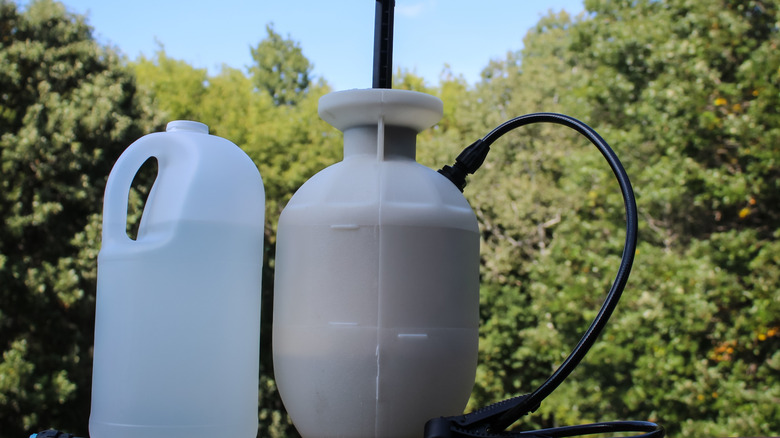
In order to work effectively as a weed killer, the rubbing alcohol needs to be diluted a little further. A ratio of 2 tablespoons of rubbing alcohol to a quart of water is sufficient. Mix this together into a spray bottle, then very carefully apply it directly to the crabgrass weeds. The isopropanol will break down the protective, waxy outer layer of the leaves, causing the foliage to wither and die. With luck, you should see the weeds start to brown within a few hours.
A major con of rubbing alcohol is that it is a non-selective weed killer. This means that it is indiscriminate in terms of what it kills. This is why you need to be extremely careful with its application, as any spills or over spraying could also affect the nearby grass or plants that you don't want to be targeting. Even when used only on the crabgrass, the potent alcohol can also target the beneficial bacteria and microorganisms in your soil, causing damage.
Unless you plan to be very precise about application, you may want to reserve this method to destroy crabgrass in areas without other plants. In areas like your lawn, it might be more worthwhile to check out selective herbicides that specifically target crabgrass. You can also keep it at bay by maintaining a strong, healthy turf through weed-preventative lawn mowing and fertilization. Or just do things the old-fashioned way and pick it out by hand.