

The Summer Perennial That Blooms Multiple Times For A Color-Packed Garden
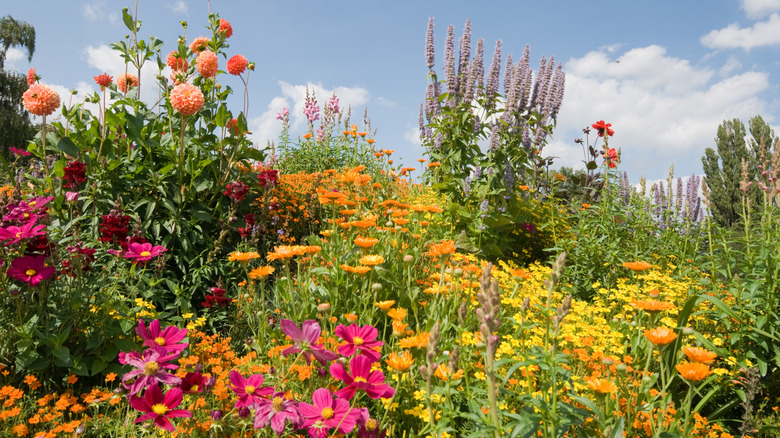
If you've been enjoying a garden filled with colorful blooms all season, it can be disappointing to see your flowers fade as the hot and humid days of summer come to a close. While hardy annual flowers may hang on to their blooms well into fall, many perennials start to look bedraggled by the time back-to-school shopping begins. But there is a late-blooming wildflower that will keep putting on a show long after those pool days and barbeques are over.
White goldenrod (Solidago bicolor) is a tough native wildflower that grows in the Midwest, Northeast, and Southeast regions of the U.S. Also known as silverrod, this lanky member of the Aster family, which is known for its fall blooms and grows beautifully almost anywhere, adds height to your garden with stalks up to 3 feet tall. These green spikes will fill with clusters of white or pale yellow florets starting in mid to late summer and will keep reblooming all the way into October. White goldenrod is easy to grow in USDA hardiness zones 3 to 9, where it is happiest in well-drained areas and can establish even in the poorest soils of your garden bed. In the wild, you can find it growing in disturbed areas like roadsides or old farm fields. White goldenrod is drought tolerant and appreciates full sun, although it will be fine with some shade. As with other goldenrods, deadheading the spent flowers will encourage the plant to keep putting out blooms well into fall.
Late color isn't the only benefit of the white goldenrod
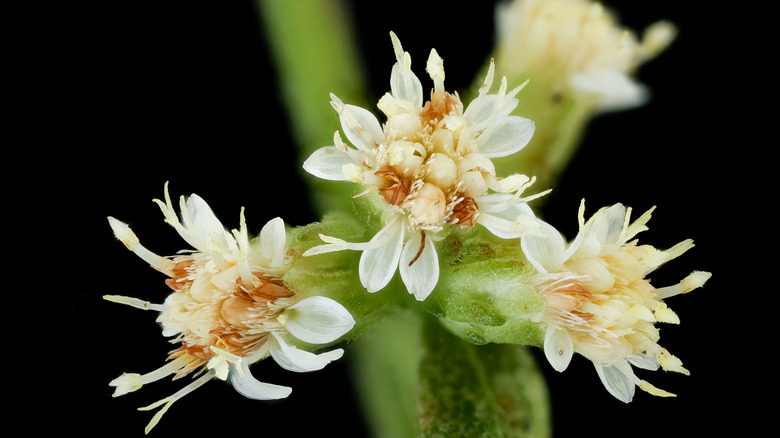
White goldenrod is a perfect addition to a native garden attractive to pollinators. Bees, butterflies, and hummingbirds love the flowers, and because the blooms are so long lasting, this native is an important source of food for wildlife when other perennials fade. When they finally finish blooming, small seed berries will appear on its spikes. While birds love them, you should be sure not to eat either the berries or the leaves of this herbaceous plant. They contain a toxin called solanine (also found in the green parts of potatoes), which can make you sick. The good news is that this toxicity also makes white goldenrod unpalatable to deer and rabbits, adding to this plant's low-maintenance value to your native garden.
Other goldenrod species also bloom late in the season, and they come in brighter shades of yellow for a colorful garden as the days shorten. But white goldenrod is the only type of goldenrod with white flowers, making it a unique addition to your perennial collection. You probably won't find this plant in your local garden store. Your best bet is to shop at online native plant retailers like Blue Stem Natives or Green Promise Farms. Don't confuse this perennial with upland white goldenrod (Solidago ptermicoides), which has daisy-like flowers (although this is another pretty perennial with long-lasting blooms).