

Why Mulch Is A Smart Addition To Flowerpots And Garden Beds In July
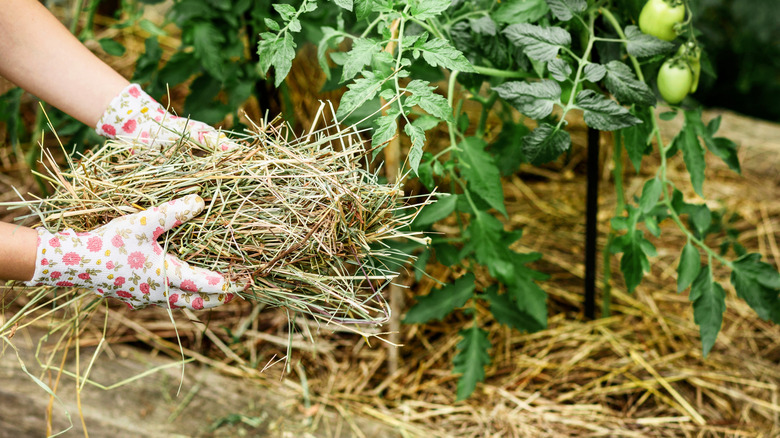
After a busy spring of preparing garden beds and planting flowers, summer is the time we can finally start enjoying our harvests and beautiful blooms. However, July is also when temperatures begin to rise, there may be periods of drought, and pesky summer weeds begin to pop back up. Luckily, mulch is a smart way to help combat all of these issues. Whether or not you mulched your flowerpots and garden beds in spring, it's a good idea to add or refresh in the summer.
Although sunlight is necessary for plants to flourish, it can also cause issues when it gets too hot outside. Once the temperatures rise, water in the soil can evaporate more rapidly. Sometimes, the roots aren't able to absorb more moisture than what the leaves are releasing. This causes the leaves to wilt, and if conditions worsen, they can die. Additionally, the soil can get so hot it damages the roots, which further limits their ability to absorb water and nutrients. Pair that with summer weeds making their grand entrance and competing for resources, and your plants can really start to struggle. Mulch creates a protective barrier that helps to maintain moisture and slow down water evaporation. It also shades the soil to help cool root zones in intense July heat. Simultaneously, the mulch blocks light from weed seeds in the soil, offering a safe and natural weed control. Containers and raised beds dry out even more quickly than inground plants, so it's especially important to give them extra protection.
How to add mulch to your flowerpots and garden beds in July
Perhaps the most important aspect of mulching is choosing the best type of mulch for your project. For garden beds and flowerpots, opt for an organic mulch. These mulches are made of natural materials that decompose over time, releasing nutrients back to the soil and improving the overall soil structure. On the other hand, inorganic mulches don't improve soil quality, and some can actually absorb heat and increase soil temperature, which is of course a major risk in hot July weather. Look for bags of wood chips, shredded bark, or straw at your local garden center. If you're on a budget, you can collect certain yard debris for free, including grass clippings, fallen leaves, and pine needles, as long as they're pesticide-free.
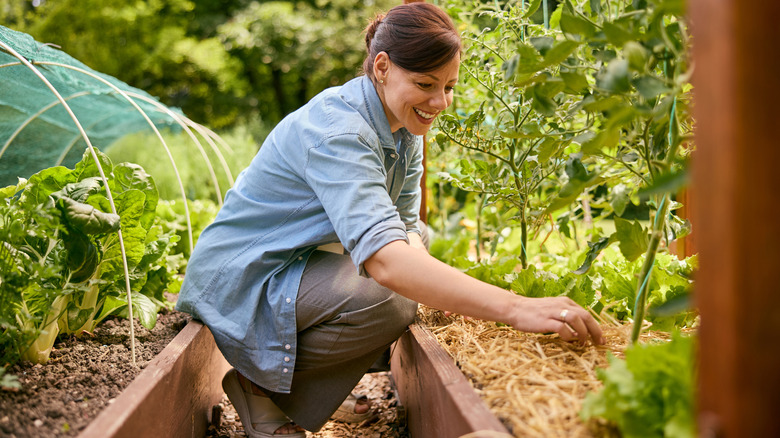
Before you start adding mulch, get rid of weeds in the garden. Then, water your beds and flowerpots, making sure you water deeply enough to soak the root zone. Now, you can add a 2 to 4-inch layer of mulch to your garden beds and containers. As you're laying your mulch, make sure to pull back the materials a couple of inches around each of the stems. This little bit of space prevents moisture buildup, reducing the risk of issues like crown rot and pests. If you already mulched in spring, make sure you still have an even layer and top off any thin or bare spots. Organic mulches decompose at different rates, so keep an eye on the depth and continue adding more as needed.