

Forget Florida: This East Coast State's 'Second Spring' Is A Backyard Gardener's Dream
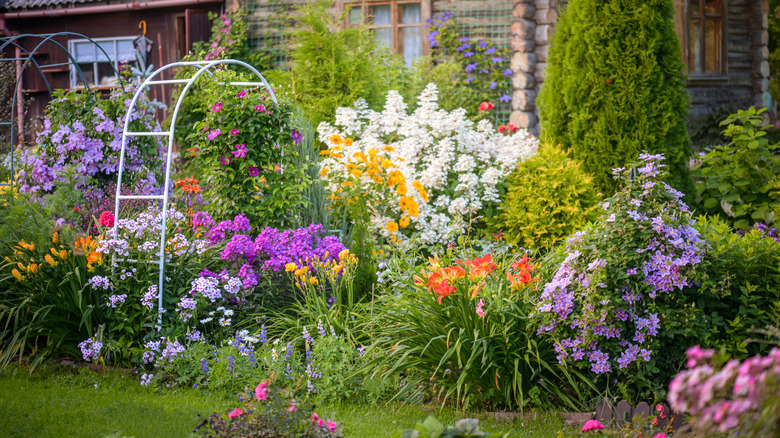
While people tend to flock to Florida for its sunshine and warmth, if you're a gardener looking to move, it may be worth your while to take a peek at a state just a bit further north. North Carolina has more sunny than rainy days per year, and relatively warm weather year-round. USDA hardiness zones across the Tar Heel State range from 6a to 9a, a sort of Goldilocks of hardiness zones — not too cold and not too hot.
Most importantly for gardeners, the appealing weather conditions means that you get two chances each year to plant. First in the spring, then again in the early fall. Fall is often the perfect time to start vegetables that perform best in cooler conditions, as you don't have the threat of an early heatwave hanging over your head, so you can take steps to protect your crops from early cold snaps. Fall-planted crops may also be less disease-prone and even a bit tastier than those planted in the spring, as many cool-season vegetables taste a better after a light frost.
There are benefits to the gardener, too. Instead of toiling under the bright, hot sun on a 90-degree day, you get to garden in the crisp, cooler air of early fall. You also get the chance to clean up your garden and get a jump on next year's growing season, by dividing perennials and planting flower seeds to attract pollinators to your garden in the spring.
How to take advantage of North Carolina's second spring
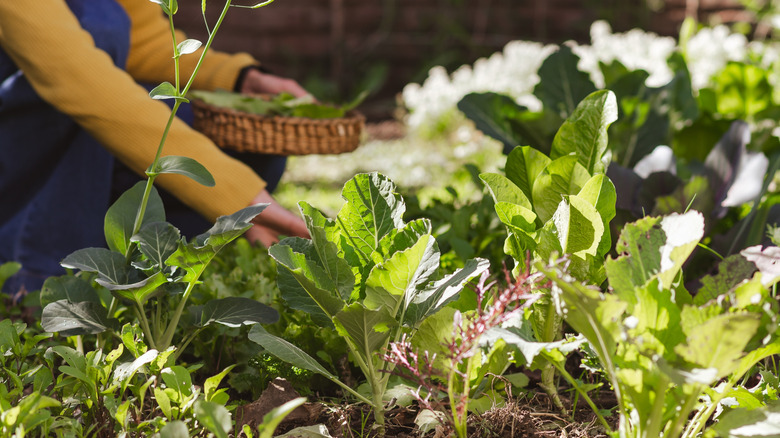
For the North Carolina gardener, fall starts in August, or maybe even July, depending on where in the state you're located and your corresponding hardiness zone. Those final days of summer are the perfect time to get your fall crops started, like broccoli, carrots, Brussels sprouts, and other members of the cabbage family. While you can direct sow certain vegetables – such as beets, radishes, carrots, and peas — in the ground in the late summer or early fall, cabbages and broccoli have a longer growing season. You're better off starting with seedlings of those plants.
You may need to give the soil some TLC before you plant, especially if it's very warm and dried out. Remove weeds and any old plants, add compost to the soil to boost its nutrition content, till gently to break up clumps and remove obstructions (especially if you're planting root vegetables), and water the seeds or seedlings well after planting. Mulching your garden will help the soil retain moisture and provide your plants with some insulation as temperatures start to dip. If you've been raking up fallen leaves, shred them and use them as mulch.
While many cool season vegetables can handle a bit of frost, consider adding row covers as the weather starts to turn cold. Floating row covers act as blankets for your plants, letting sunlight through but blocking some of the cold. They may also help to keep critters out of your garden and away from your precious veggies.