

3 Garden Vegetables To Plant In July To Harvest All Fall, You'll Thank Us Later
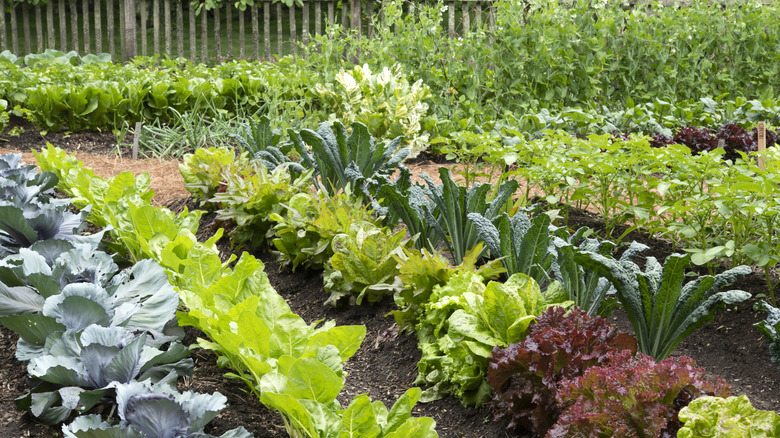
When the heat of summer hits full force in July and you're spending most of your day clinging to the cool breeze of your air conditioner, the last thing you're probably thinking about is fall vegetables. But, if you've got a vegetable garden in your backyard, or even just on a patio or balcony, July is the perfect time to start planning and planting cool-season vegetables like carrots, Brussels sprouts, and broccoli. Late-season planting is a trick gardeners in North Texas have been using for years, but it works almost anywhere, as long as things cool down again in the fall. Usually, that means USDA zones 3 through 9, though carrots do best with a July planting in zones 3 to 5 and broccoli in zones 3 to 6.
Cool-season vegetables generally don't thrive in the heat, so if you start your second planting too early in the summer based on your zone, they may develop a bitter taste or not survive at all once the temperatures climb. But if you delay planting them until mid summer, they'll have plenty of time to start growing and to profit from the cooler temperatures of early fall, before the first hard frost arrives.
Brussels sprouts, carrots, and broccoli in particular are perfect for planting in July, for several reasons. Broccoli and Brussels sprouts need a fair amount of time to reach maturity, upwards of 90 days. The vegetables also benefit from cooler weather before harvesting, with Brussels sprouts in particular needing lower temperatures for the best flavor and quality.
Planting carrots, Brussels sprouts, and broccoli in July
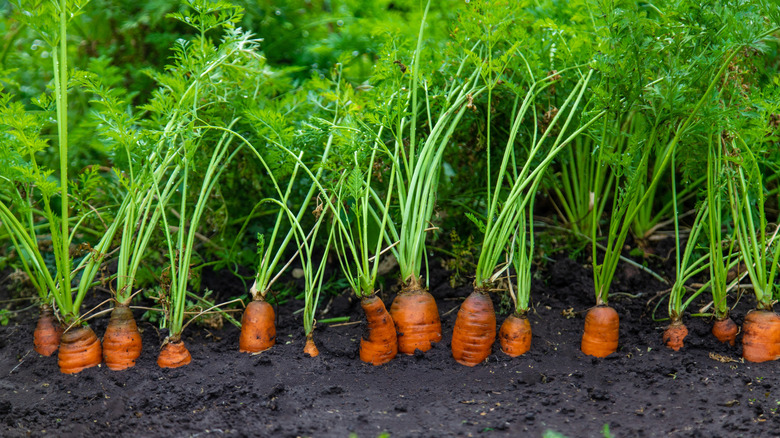
Carrots are among the easiest vegetables to grow, so if you're new to gardening, consider planting those rather than broccoli or Brussels sprouts. They're also better suited for smaller gardens, as the other two vegetables need a fair amount of space. To plant carrots, scatter seeds across the soil, no more than three per inch and cover with ¼ inch of soil. The soil should be loose and drain well, or the roots will have difficulty forming. Thin them to be about 2 inches apart once the little plants are about 1 inch tall.
To plant broccoli, place three seeds in the soil every 10 inches or so, and cover with ¼ inch of soil. Once the seedlings appear, thin them so there's one plant roughly every 10 inches. Alternatively, start the seedlings indoors, and then transplant in your garden after about four weeks. If you start broccoli indoors, you will need to harden them off once they develop about four to six true leaves before setting them outside, gradually getting them used to bright sunlight and outdoor conditions.
While you can start Brussels sprouts from seed, this is one plant that may be best to start with seedlings, since it will take so long for the plants to reach maturity. To grow Brussels sprouts, allow at least 2 feet of space between each plant. One thing Brussels sprouts, broccoli, and carrots have in common is that they all thrive in full sun, so pick a sunny spot in your garden for the vegetables.
Caring for cool-season vegetables through summer and fall
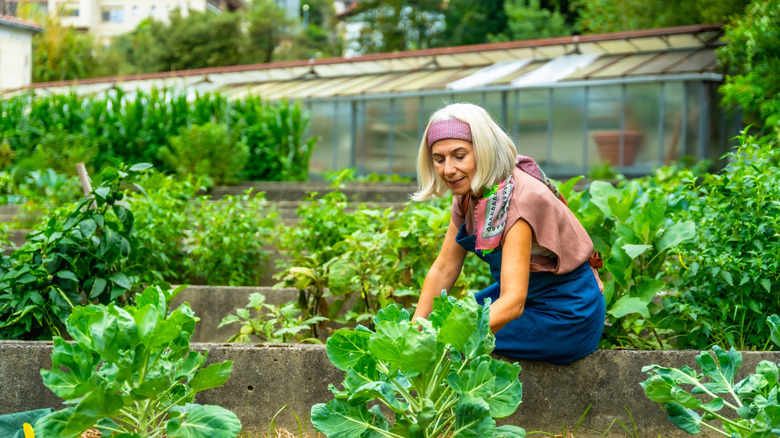
Whether you plant carrots, broccoli, Brussels sprouts, or all three, they'll need plenty of water to thrive, particularly during the hot days of summer. Having adequate moisture in the soil will help the vegetables develop a sweeter, less bitter flavor. It also improves the quality of the vegetables. After sowing the seeds, keep the soil moist. Continue to water regularly, making sure the soil never fully dries out. While it's okay to get the leaves of Brussels sprouts a little wet, take care to keep the leaves of broccoli dry, to reduce the risk of mildew.
Each vegetable matures at a different rate, with carrots being the first to be ready to harvest, often about 60 days after planting. You can leave them in the ground for up to four weeks after they've matured, though. To keep carrots from being bitter, you may want to wait to harvest them until after the first frost in your area. The same is true for Brussels sprouts, which grow sweeter after a frost. To encourage the sprouts to fully develop, cut the top few inches off of the plant a few weeks before you plan to harvest. The sprouts are ready to go when they are firm and about 1 or 2 inches in diameter.
For broccoli, time is of the essence when it comes to harvesting. You don't want to be too leisurely about harvesting the head, as its quality diminishes quickly. The plant is ready to go when the flower buds across the head are tight.