

The Planting Trick North Texas Gardeners Never Abandoned — And Why It's A Game-Changer
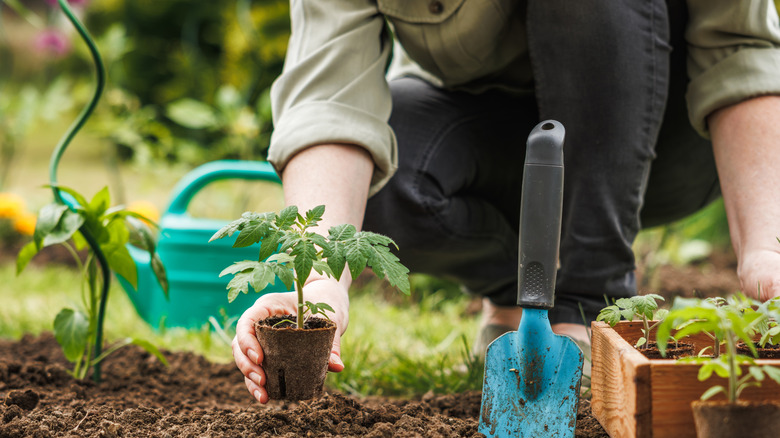
They say everything is bigger in Texas, and that seems to include its growing seasons. While gardeners in other regions of the United States can follow a typical seasonal guide to planting vegetables, the schedule is a bit different in North Texas. Gardeners there get not one, but two growing seasons.
The northern area of the state, which includes Dallas and Fort Worth, is nestled in USDA hardiness zone 8b, where the average minimum temperature falls between 15 and 20 degrees Fahrenheit. But it's the region's heat that leads to the split seasons. It's not uncommon for the temperature to climb past 100 degrees multiple times over the summer months, with the mercury reaching 90 degrees or more for the first time sometimes as early as February.
The warmer weather means gardeners can get their crops into the ground sooner, but also that many plants give up the ghost as the heat kicks in. However, thanks to the late first frost date, which usually comes sometime in mid-November, gardeners can start afresh, getting in a second round of vegetables that will be ready to harvest in the fall. With more areas of the U.S. expected to see more frequent instances of extreme heat and warmer temperatures in general, it may soon be the case that a two-season garden schedule works across the country, not just in Texas.
How to plan a 2-season vegetable garden
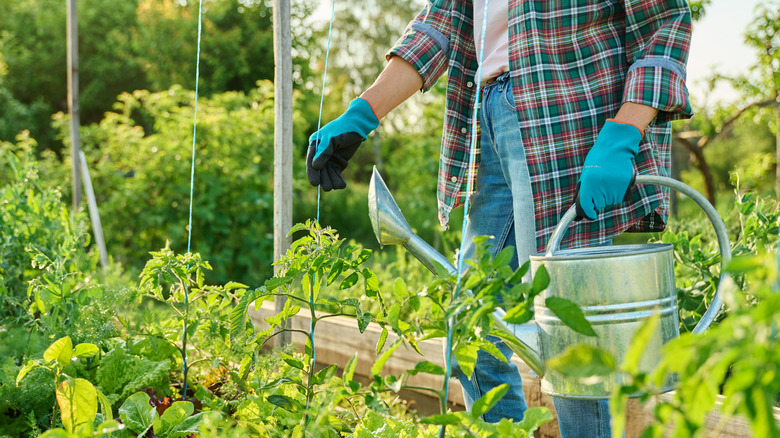
A two-season vegetable garden means you can get your garden ready for round one (Spring) as early as February, then start round two (Fall) in early July. When exactly to plant vegetables in Texas depends on what you want to grow. Vegetables to plant in late winter (early February to mid-March) to get the spring season started include peas, radish, beets, carrots, and leafy greens. If you're growing certain vegetables from seed, like tomatoes, you can get them started indoors as early as January. Then, you can transplant tomato seedlings into your garden outdoors as early as March 1.
Other vegetable seedlings that can safely move outdoors in mid-March include peppers, cucumbers, and squash. Wait until April to set plants that really love the heat, like okra and eggplant, outside. While in the rest of the country, May is prime time for planting vegetables, the first growing season is starting to wind down in North Texas. It's time to start planning your fall garden.
You can start planting for fall as early as July, by setting out a second set of tomato seedlings and planting pumpkin or other winter squash seeds in the ground. To keep the soil cool, use mulch and consider covering young tomato plants with a shade cloth. Starting in August through mid-October, get your cooler season vegetables in the ground, such as Swiss chard, broccoli, radish, lettuce and other leafy greens, peas, and beets. They should be ready to harvest before the first frost hits.