

Ditch Quartz And Granite — There's A Cheaper, More Eco-Friendly Countertop Option
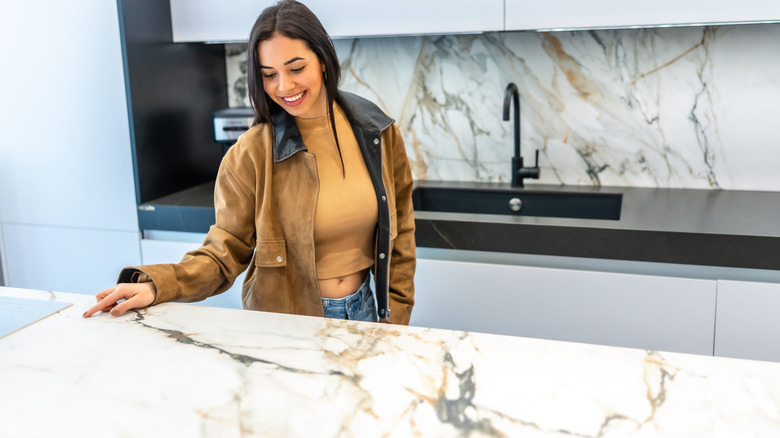
Let's be real. When you're dreaming of new kitchen countertops, quartz and granite are often the first materials that come to mind. They tend to be top choices due to durability and beauty. But, for those looking for an eco-friendly alternative, there is another option to consider. Countertops, particularly your kitchen countertops, serve as a work area for all types of activities, from enjoying a quiet cup of coffee to hosting a lively dinner party with your work buddies. Because of this, you want to choose the best countertop material that will last. The solution is recycled aluminum.
Luxury stones like veined quartzite and exotic granite often come with a hefty price tag, sometimes up to $1,000 per square foot, depending on the grade, thickness, and rarity of the color. Some patterns can easily fall into the countertop trend that makes your kitchen look outdated. In contrast, recycled aluminum countertops typically cost between $30 and $80 per square foot, which is just a fraction of what you'll pay for high-end stone. They are made from reclaimed scrap metal, including discarded cans and scrapped industrial equipment. These scraps are then melted down into solid slabs and sometimes mixed with recycled glass and no-VOC acrylic to create different finishes. By going with budget-friendly, recycled materials, you keep waste out of the landfill, reduce greenhouse gas emissions, and end up with a unique surface that's guaranteed to be a conversation starter.
Maintaining eco-friendly aluminum surfaces is surprisingly simple
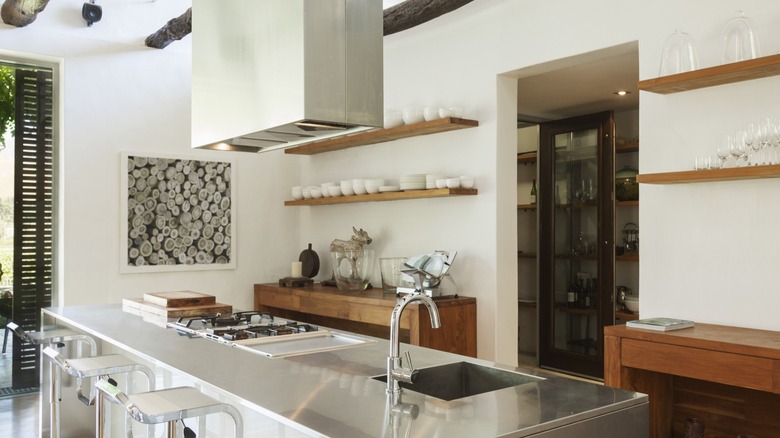
Quartz, granite, and other natural stone materials are generally easy to care for, but they do have their quirks. Granite must be sealed periodically because the stone is porous and will absorb spills. (Say hello to permanent coffee stains!) The material can also be a breeding ground for germs and bacteria. On the other hand, quartz doesn't play well with heat. Placing a hot pan on quartz can cause scorch marks, warping, and cracks. Recycled aluminum countertops can withstand heat.
Keeping recycled aluminum countertops looking their best is pretty straightforward. Aluminum is naturally non-porous, so it won't absorb spills. To clean these countertops, you simply scrub gently with a microfiber cloth, mild dish soap or cleaner, and warm water. Then, to prevent water spots, you should dry the counter after washing. You also need to use a cutting board to prevent scratching when cutting vegetables and other items.
Over time, even with the best care, aluminum countertops may develop scratches. You can buff these areas with a special metal polish, bringing your countertops right back to their original, gorgeous shine.