

The Wildflower To Plant In July For A Color-Packed Summer Garden
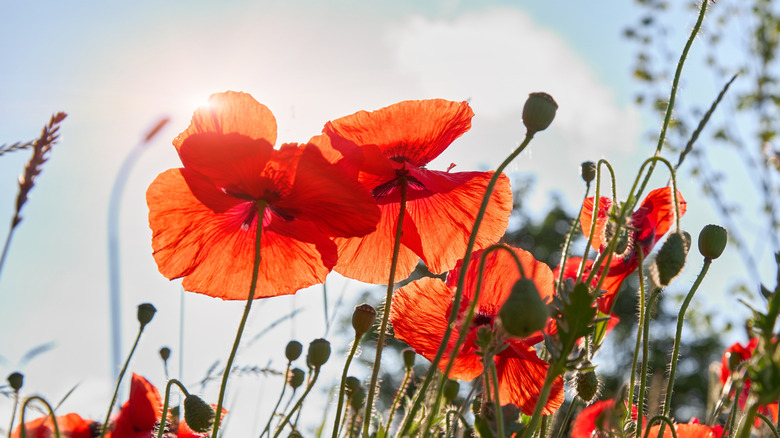
It's the flower that's the star of several of Claude Monet's impressionist paintings and the flower planted as a memorial to soldiers who fell in battle. It's also a quick-bloomer known for adding a pop of vibrant red color to flower gardens and fields across Europe, Asia, and the U.S. The common poppy, aka corn, red, or field poppy (Papaver rhoeas), produces delicate, 2-inch flowers with eye-catching scarlet petals from early until late summer. It's a fast-growing flower (hardy in zones 3 to 10), making it a perfect option for filling in empty spots in your flower bed. Get the seeds in the soil in July for blooms within weeks.
Common poppy is an annual rather than a perennial plant, meaning it lasts for one season only before dying. However, it's a notorious self-seeder, meaning that if you don't deadhead the flowers after they've finished blooming, the seeds will drop into the soil, producing new plants in subsequent seasons. So you can enjoy the poppy's flowers year after year, with little extra work on your part.
How to grow red poppy flowers
If you've ever eaten a poppy seed bagel, you know the seeds are absolutely tiny. That means that direct sowing them in your garden by sprinkling the seeds right onto the soil is often the easiest way to plant them. While poppies typically prefer full sun, if you live in an area with hot summers, they may appreciate a bit of shade in the afternoon, so choose a spot in your garden with care.
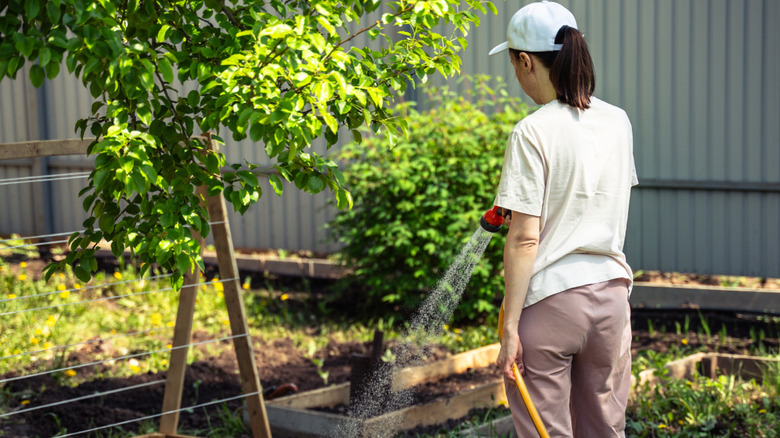
Wet the soil before you sow the seeds, otherwise there's a risk you'll wash them away with a stream of water. To help the seeds distribute evenly, try mixing a packet of seeds with a cup of sand before sprinkling over the soil. The sand will break up the seeds. You can thin out the seedlings as they appear or save yourself the trouble and just let them all grow. Poppies don't mind being close together — just think of how crowded they are growing in fields and meadows.
Give your poppies consistent moisture, but be careful not to let the soil get too wet. Once they start blooming, deadhead the spent flowers so that the plants continue to produce new blooms. Unless it gets too hot or you let them all go to seed, poppies will continue to flower throughout the summer. At the end of summer, leave the spent blooms in place and let the seeds drop, if you'd like the plant to self-seed for the next growing season.