

Ditch Your High-End Smart Tech: Why I Advise My Interior Design Clients To Invest In An Intentional Analog Space
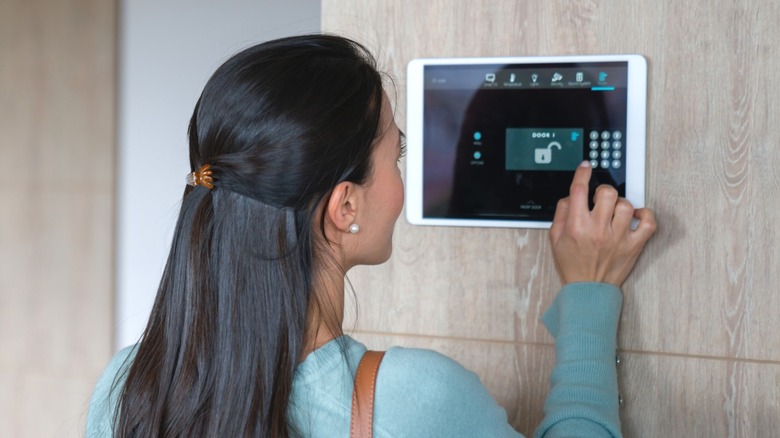
I have a lot of strong personal opinions on the current state of technology and exploding AI boom, most of which I try to keep to myself (not a perfect system) or productively discuss among friends. After all, you're welcome to do what you want, and who am I to stick my nose where it doesn't belong? However, as an interior designer, I do feel it's entirely my business to help steer clients in the right direction when it comes to investing in pricey smart home technology. And my professional advice is nearly always, "Don't do it." Whether you're motivated by logic, a sound financial picture, privacy concerns, or the simple nostalgia for less empty online activity and more fulfilling human connection, the outlook is clear: A move toward an analog home can check every one of those boxes and more.
Listen, it's not that I don't appreciate or use any smart home tech — ask my hydroponic vegetable garden or the handful of smart lightbulbs strategically placed around my home. You're an adult who can determine your comfort level incorporating small, affordable integrations like smart thermostats, outlets, cameras, or even your beloved Alexa (but, actually, maybe research that one for privacy reasons alone ... sorry, I said I'd keep those thoughts to myself). But when it comes to high investment and permanently installed tech that cannot be easily or inexpensively replaced — think high-end smart appliances, whole-home systems or command centers, and built-in luxury gadgets — this is where my advice is often to dissuade clients from wasting their money. So, in the spirit of education and awareness, let's dig into the two main factors why I professionally discourage installing pricey smart technology features in your home.
Smart tech quickly becomes outdated with constant innovation

Here's my first issue with integrating the latest and greatest expensive smart features into your home: technological obsolescence. What this 50-cent term means is that when you install fresh, top-of-the-line tech, it's the inevitable path of innovation that, sooner or later (usually sooner with the pace of today's development), it'll be surpassed by a newer, cutting-edge product. Especially with the global obsession with AI, the velocity of progression is frighteningly aggressive. Technology becomes outdated, diminished in value, and sometimes completely irrelevant in no time. This unavoidable trajectory can leave you disenchanted and struggling with two equally annoying options: Stick with the suddenly prehistoric technology you have, or pay for the shinier, far superior version (for now) and put more cash into the pockets of a company that will use it to develop tech to put your newest purchase out of commission.
It's really planned obsolescence. Companies make products to be disposable and replaceable, with lifespans just sufficient enough to get to the release of their luxury successor. And firmware or software updates only go so far — a 2024 survey done by UK-based consumer advocacy group Which? indicates many smart appliance brands drop software support long before the end of the product's expected lifespan. Most failed to provide any clarity around how long they would provide updates. Per a Consumer Reports analysis of 21 major appliance brands from that same year, the longest any manufacturer promised smart feature support was for five years, well below the 12-year lifespan consumers would typically expect from an appliance. The entire home technology system is designed to outdate itself at warp speed, while you continue spending to keep up. From a purely logical and financial standpoint, it's simply not worth investing in high-end home technology.
Abandoning pricey home tech for an intentional analog life

Phew, that obsolescence rant felt good, but that only brings me to a far more important reason to opt out of luxury home tech. As some pay through the nose to keep pace with trends, others are choosing an alternate path. I think there's an overall push toward slow living interiors, a return to and appreciation of a lower-tech life. And it's not just because fewer smart features means there's less that can go wrong with your appliances and devices. In a world where you need a two-factor authentication to open your stupidly complex "smart" fridge and your information is being gathered, stored (at the expense of our beautiful planet — another whole lecture I won't subject you to at the moment), and sold so fast that a random company knows you need to go buy more milk before you do, people are pushing back. So many of us just want to be freer of this over-bearing, over-connected tech nightmare.
Rather than inviting Big-Brother-style smart tech into the home, people are striving for a more intentional lifestyle as supported by the interiors they are creating. While I don't mean ditching tech entirely, more families are taking time to appreciate and implement the design trend of using more analog elements in their spaces and place better boundaries to insulate their worlds from the noisy, parasitic nature of the tech freight train. In doing so, homeowners are creating breathing room and protection for their families to rediscover some of life's simpler pleasures. The ROI on costly advanced home tech is simply not there, financially or emotionally. But when you can create a life at home that fosters human connection, joyful offline hobbies, and beautiful memories — now that's the ultimate luxury right there.