

Goodbye, Plain White Walls: This Cozy Design Trend Is Back And Taking Over
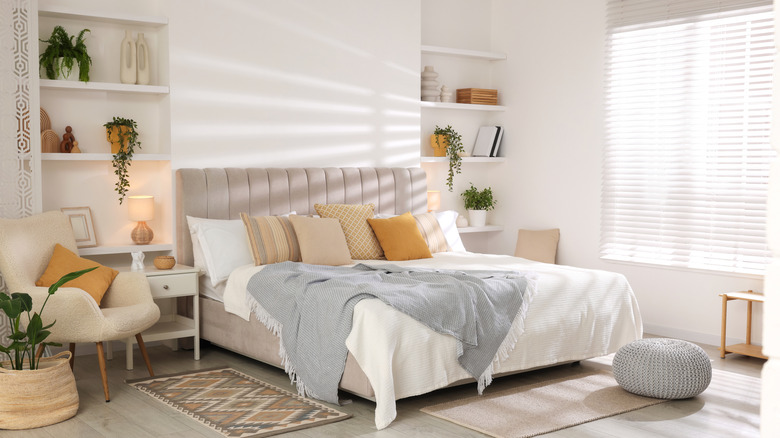
Even if your brush with the design world is fleeting at best, you're likely privy to the downfall of white walls. No longer are homeowners interested in sterile white or its lookalike tones. Instead, they're bringing back warmth, texture, coziness, and whimsy through designs that express authenticity and character. To do that, they're taking inspiration from the time-tested, cozy trend of wood paneling.
Peer around, and you'll notice wood panels becoming ubiquitous on everything from walls and ceilings to siding, cabinetry, and furniture in 2026. But don't just take our word for it. Here's what Peyton Helsen, lead designer at Rumor Designs, has to say about their comeback. "With the resurgence and desire for more traditional elements within a home, we have seen and implemented requests for more intricate and detailed wood paneling," she notes in her exclusive interview with Hunker. "Wood paneling is a great way to infuse both warmth and visual interest into a space, whether it's through the look of a classic T&G (tongue and groove) application on a wall or ceiling, or a more decorative and detailed applied paneling," she adds, while maintaining that she loves incorporating them into spaces. So, in case you were thinking of upgrading outdated wood-paneled walls with a simple, affordable DIY refresh, give those plans an indefinite pause.
Wood paneling: Moving from past designs to its modern update
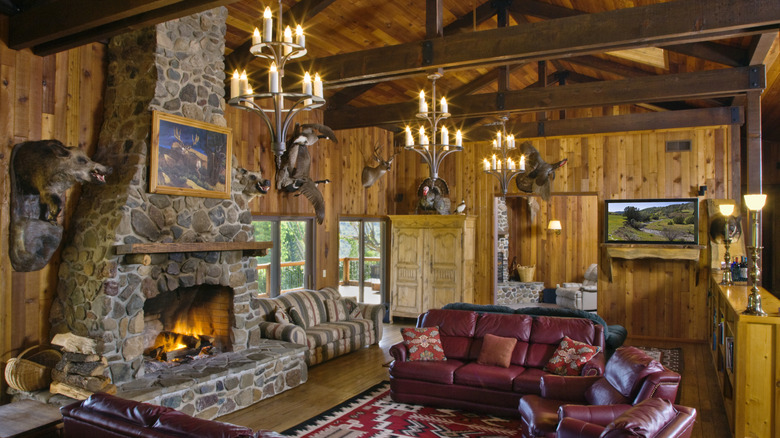
If you're thinking wood paneling in this age is anything like the 1970s, where your grandpa paneled up the basement wall and finished the look with his hunting trophies (stuff of nightmares), pump the brakes. When old trends cycle back in, they almost always receive a contemporary update. Highlighting the differences in approach then and now, Peyton Helsen says in an exclusive chat with Hunker, "In the past, we saw many painted accent wall wood paneling applications featuring a more geometric design. These were a cost-effective and interesting way for homeowners to add some visual interest to their spaces."
Admitting these styles are still popular, partly because of their tactile nature and ability to invoke nostalgia, she now sees a clear shift in execution. They no longer feature as mere accents. Instead, they're being utilized all across the room. Helsen clarifies, "While this design detail still has its place, we've started steering away from these accent wall applications and towards whole-room paneling applications with a more classic or traditional style. This adds such a cozy and complete feel to a space." Besides, they also ratchet up overall functionality. If your open floor plan feels overwhelming and you would like to create micro-zones through pocket doors, dirty kitchens, and the like, wood panels are a great way to break apart the space without affecting design continuity and cohesion.
Using wood panels to complement and enhance your current home design
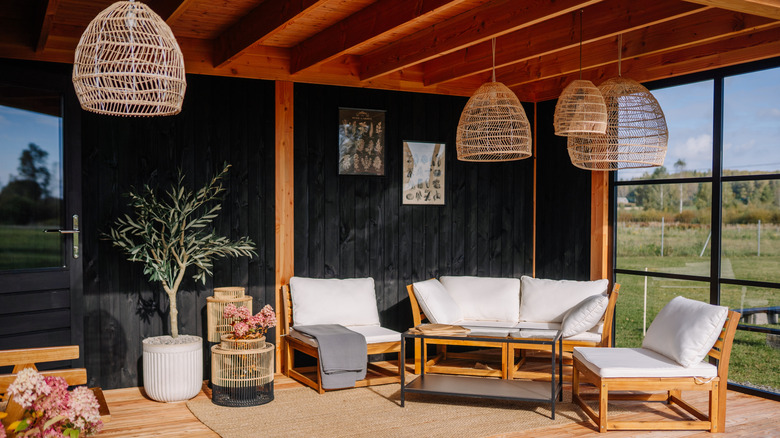
As a decorative element, wood panels play into the current preference for organic designs that suffuse the space with a sense of grounding and earthiness, bringing much-needed respite to our stress-driven minds. Echoing this sentiment in her exclusive sit-down with Hunker, Peyton Helsen adds, "There also seems to be a greater appreciation for wood tones in homes. People seem to be craving more warmth, character, and detail within their spaces, which we love!"
To make this trend work in your home, she advises, "Introducing additional elements. This could be tongue-and-groove wood paneling on the ceiling to add warmth and an organic feel." But instead of focusing on highly ornate styles, look for slats with wider dimensions for a timeless finish, such as this Wide Willow Panel from Andor Willow. Affixed over acoustic foam, such panels will help cut down on noise and echo, improving your space's overall sound quality. Fluted styles in lighter grain, as created by The Property Brothers for Wood Veneer Hub, may also remain popular.
Helsen adds that you may also opt for "applied molding and wooden panels on a wall to create a classic, elevated feel, or decorative molding pieces on existing case goods to introduce more character and whimsy." In other words, covertly layer wood into your current design rather than turning it into a focal point.