

The Downsides To Peel-And-Stick Tiles You'll Wish You Knew Before Installing
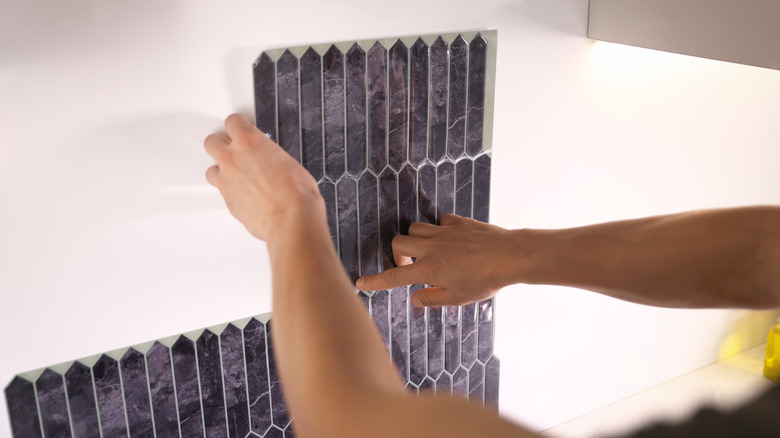
Peel-and-stick tiles may seem like the perfect solution if you're renting, renovating on a budget, or just don't want to make a long-term commitment. They're affordable, DIY-friendly, and come in a huge assortment of colors and styles. However, there are some serious downsides worth considering before buying enough rolls to cover every backsplash in your house. They also come with cons you need to know before investing in peel-and-stick flooring. From cheap materials that degrade and devalue your home to application and adhesive issues that negatively impact the finished look, peel-and-stick tiles aren't always the best choice.
There are plenty of valid reasons people use peel-and-stick tiles for home improvement projects. Hugely popular with renters, many peel-and-stick products are designed to be removable, which is ideal if you want to spruce up your space but aren't allowed to make any permanent changes. For homeowners, the affordability is also attractive when compared to tile installation costs. For example, according to Angi, the average tile backsplash installation cost is $1,000. Peel-and-stick options, meanwhile, are not only a much cheaper material option than many ceramic, glass, or natural stone products, but they also don't require hiring a professional installer, which can save hundreds or even thousands of dollars.
Of course, as with all home improvement projects, you get what you pay for. Despite the accessible price tag and installation convenience, peel-and-stick tiles lack the depth of real tile. Installation issues can make them look even cheaper. And combined, this can turn off buyers if you decide to sell.
Beware of cheap materials, pattern misalignment, and adhesive issues
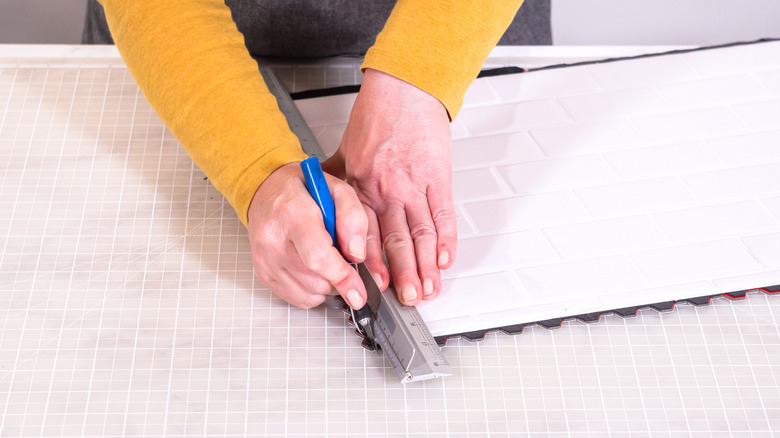
Although there are some surprisingly good peel-and-stick options out there, what looks great in an Instagram shot doesn't always translate the same way in real life. Most peel-and-stick products lack the rich detail, light-reflecting qualities, and subtle texture of traditional tile combined with grout. This certainly makes the installation process easier, since instead of a wet saw and other specialty tools, all you'll need is a steady hand and a sharp utility knife or pair of scissors. However, even with precise cuts you may find yourself plagued by noticeable pattern misalignment issues due to problems that occur during the manufacturing process or DIY inexperience with installing offset patterns. It's also not always possible to find tile trim pieces that match your preferred material, leaving your new backsplash or floor with unfinished edges that look unprofessional. That can turn a quick fix into a red flag for potential homebuyers who may be concerned about cheap materials or cut corners.
Whether you choose vinyl, metal, glass, or even stone, most peel-and-stick tiles have an adhesive-covered foam or plastic backing that does all of the heavy lifting. Both wall and floor peel-and-stick tiles tend to be water-resistant and durable, but the same can't always be said for the adhesive itself. Things tend to go sideways in two distinct ways. Either the adhesive doesn't last, making your peel-and-stick masterpiece curl around the edges, fall off the wall, or loosen in high-traffic areas. Or, it adheres too well, making the tiles a nightmare to remove whether you rent or own. Subsequent drywall or subfloor damage underneath can be expensive to fix.
Overcoming the cons of peel-and-stick tile
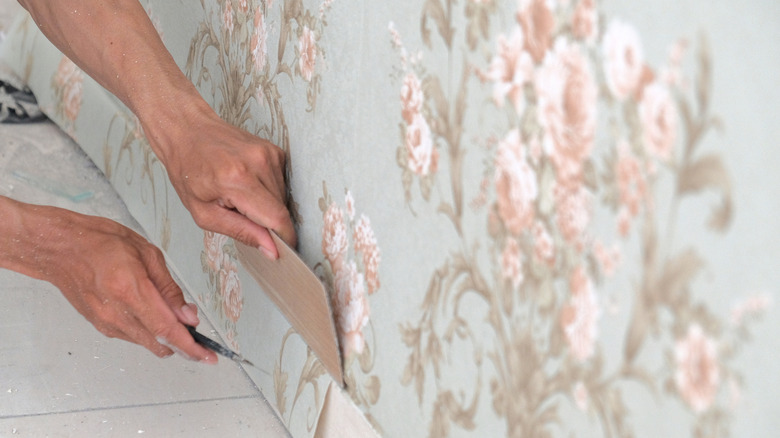
While you may enjoy the aesthetic benefits for a while, the cumulative effect of these peel-and-stick downsides can have a lasting impact on the perceived value of your home. Choosing the thickest, highest-quality tile kits you can afford is one way to avoid this. Doing excellent prep work to ensure your surfaces are perfectly smooth and clean will also ensure you run into fewer installation issues like air bubbles, curling, or poor adhesion. And although it might be tempting to just slap your new tiles on the wall, even though you could technically complete a peel-and-stick project in just a few hours, don't rush. Instead, take enough time to make perfect measurements and careful cuts, relying on a level to get your first few pieces perfectly straight and square to ensure a professional-looking finish.
There are also a few alternatives to peel-and-stick tiles that avoid the downsides altogether. If you've only been considering it due to budget limitations, consider that the cost of some classic subway tile is actually cheaper per square foot than similar peel-and-stick options. You'll save even more by installing tile yourself, which is easier to master than you might think. Removable wallpaper may not offer as much water-resistance, but can be an elegant-yet-affordable temporary solution for renters. It's also a bit more forgiving when it comes to matching patterns.
For updating dingy or dated floors, investing in professionally-installed LVP or plank flooring will cost more upfront, but offers a much higher ROI than DIY peel-and-stick. And if new floors simply aren't in the budget, never underestimate the power of a new area rug.