

I've Been A Woodworker For 50 Years — This Is The Number-One Finish I Actually Use
We may receive a commission on purchases made from links.
As a professional woodworker of over five decades, I have learned a few tricks to make my time in the shop more efficient and more enjoyable. When it comes to finishing, my number-one trick is shellac. There are scores of finishes to choose from, and I've probably used most of them ... but nearly always in conjunction with shellac. It is the ace up my sleeve when finishing gets tricky, and it has come to my rescue countless times. Shellac is a 100% natural finish (made from the excretions of the Lac beetle), has been around for hundreds of years, and is curiously used to put a shiny coat on candy and even make capsules for drugs. Yep, you can eat it (and likely already have).
While shellac is an excellent clear film finish in and of itself, its compatibility with other finishes is what makes it so important in my shop. Some finishes just do not like to bond to one another, but nearly all will bond with shellac. That makes it a perfect transition coat between finishes. I like to use an oil for the first coat to pop the grain of highly figured wood. A coat of linseed oil followed by a coat of shellac allows me to choose to apply lacquers or water-borne polyurethane later and be confident that the finish will be sound.
Shellac is suspended in denatured alcohol, so it dries super fast. That means that dust motes do not find their ways to the finish and you can quickly build up a film coat. It also does not smell as bad as some clear finishes with more dangerous volatiles. Your lungs are safer; another reason it is my go-to finish.
Shellac supplies brilliant color and is easy to use
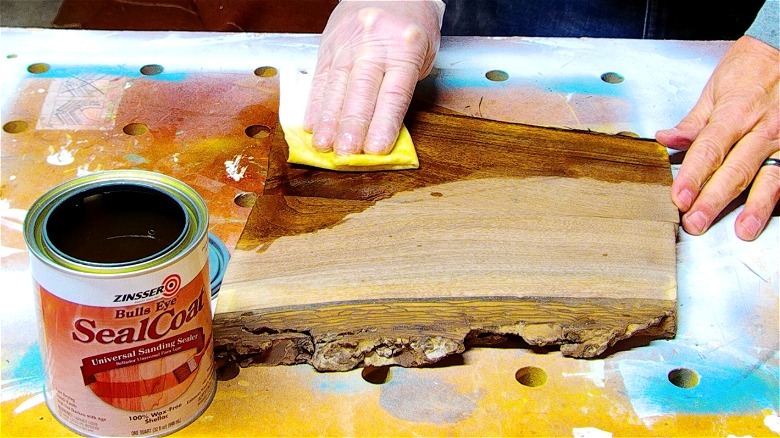
There are several versions of shellac on the market, with orange and amber colors being two of the most common. Their color is subtle but truly enhances the figure of unstained wood. Zinsser SealCoat is a shellac that is much less amber; it's dewaxed, giving it a better hold on adjacent coats when it's used as a transition finish, and it's de-esterified. (I don't know what esters are, but apparently, we don't want them!) SealCoat has an extended shelf life, and it's the main shellac product that I use. Shellac's shelf life is typically only a few months, but I've had cans of SealCoat last a couple of years without any reduction in quality.
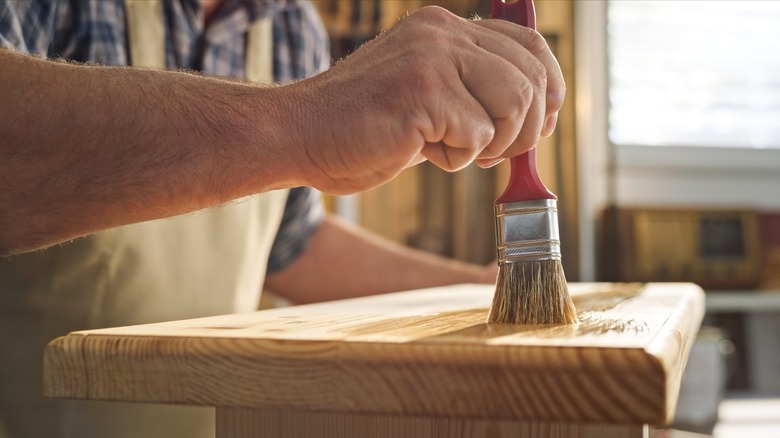
Another reason shellac is my favorite is that it is easy to apply. Brush it on, wipe it on, or spray the finish onto the wood. To spray it effectively, you'll need an additive (such as Shellac-Wet) to lower its surface tension, but then it is a dream. It also comes in an aerosol spray can that I find extra handy. A finish that's easy to use and forgiving in its application is a true winner.
Shellac's limitations and when to use it as a wood finish
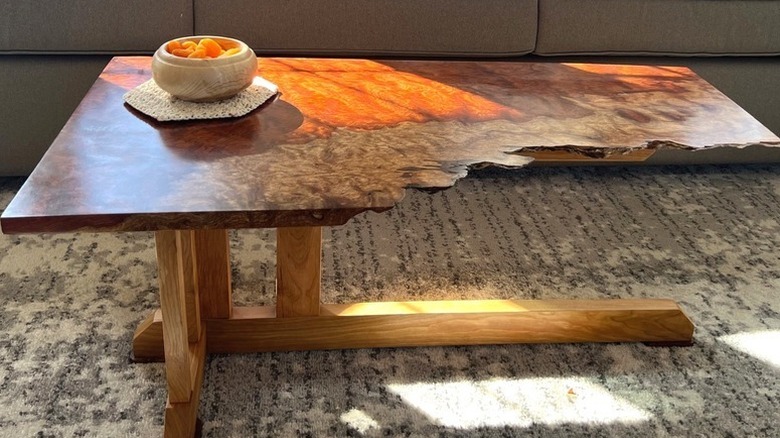
I regularly use shellac as a primary finish. It creates a hard, beautiful, and durable film coat. There's also a process for tinting shellac to give you additional color options using dyes, so you can dial in the tone you want for your project. It does have one key weakness: It dissolves in alcohol, even the kind in adult beverages. That makes it impractical as a tabletop finish where drinks may be served. Even so, I often build up the film coat with shellac, which dries quickly, and then apply a final coat of oil-based polyurethane (which takes forever to dry).
For boxes, picture frames, TV tables, lamp bases, wooden toys, turned bowls, and many other applications, shellac is a great finish. Homeowners often find using wood finishes to be complicated and fussy, but shellac has a straightforward application process and is quick and simple to repair later if the finish is damaged. It's a fantastic way to make finishing easier — that's why it is my number-one choice.