

Ditch The Concrete: A Stylish, More Durable Alternative For Your Driveway
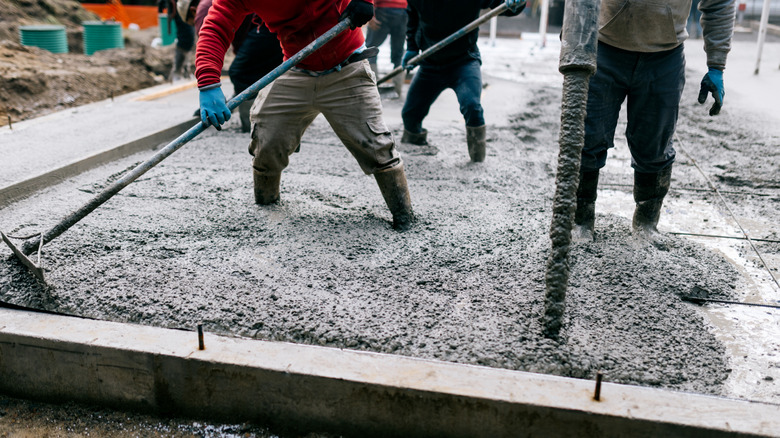
Concrete driveways offer a lot of bang for your buck in terms of longevity, availability of materials, and overall durability. However, concrete is prone to cracking and staining if it's not properly maintained and sealed, both of which could spiral into costly repairs. If you have a driveway that's in rough shape and you're ready to ditch concrete for good, cobblestones offer a more durable and stylish alternative.
Cobblestone is an ancient building material that originally referred to small, water-rounded stones that came out of rivers or lakes and were primarily used for building roads and walkways. To give an idea of how durable this material is, the famous Appian Way in Rome is one of the oldest surviving cobblestone roads, dating back to 312 BCE. Today, cobblestones are primarily made from granite, limestone, or basalt and come in numerous different colors, textures, and sizes to suit a wide variety of projects.
The advantages presented by cobblestones are similar to driveways made of brick. Cobblestones are objectively more attractive than a concrete slab. The natural beauty of stone has long made it a beloved building material, and the individual cobbles mean you have flexibility to be creative with your design. Standard cobbles set in a classic interlocking pattern offer a uniform sophistication while preserving their old-world charm. Irregularly shaped porphyry cobblestones bring more texture and grip, while giving a more rustic aesthetic than typical measured granite ones.
Cobblestones are easier to maintain and have better weight distribution

Because they can certainly last for an exceptionally long time, the types of maintenance and repairs cobblestones need are minimal in comparison to that of concrete. While concrete will routinely need to be sealed and have cracks filled, the primary maintenance you will need to do with cobblestones is check for settling. The ground beneath can settle and change pitch over time. This could cause a sinking stone, which can be fixed as easily as you would reset a brick with a screwdriver and some leveling sand. Since the material itself is relatively resistant to wear and tear, you won't need to worry much about stones cracking.
Cobblestones are also more heavy duty than concrete. Owing to their interlocking capabilities as well as the general strength of stone, the cobblestones can easily distribute weight, meaning they can take on heavier loads than a standard concrete driveway. It also means that cobblestones can withstand more traffic than concrete without succumbing to much wear and tear, as evidenced by the aforementioned ancient roads.
The one thing cobblestone has going against it is price. Averaging between $20 to $70 per square foot, cobblestones are more expensive than concrete. However, when you compare the durability and longevity of the cobblestones against those of concrete, it's obvious which the better choice is for your next driveway.