

This Easy-To-Grow Herb Might Naturally Repel Fleas And Ticks
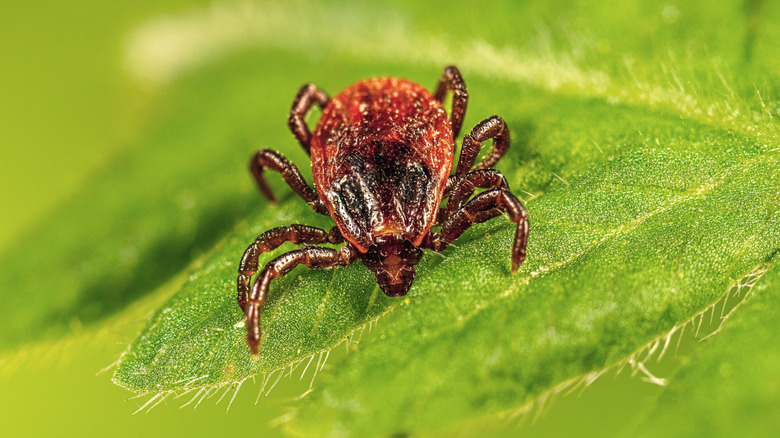
As the weather warms, your yard could be a haven for more than just spring flowers and sprouting vegetables. Fleas and ticks love warm weather, and become active at the same time of year you are shedding your winter coat and spending more time outside. In addition to applying a repellant to your skin if you live in a flea and tick-prone area, there is a plant you can add to your garden that may work to reduce the amount of these bugs you have to deal with. Wormwood (Artemisia absinthium), is a shrubby, perennial herb that that grows easily in USDA Hardiness Zones 3 through 9, and is often chosen for home gardeners for its pretty, silvery-green foliage. This plant has an added benefit of being disliked by, and even toxic to, fleas and ticks.
In addition to being the source of the strong herbal flavors of absinthe and vermouth, wormwood's chemical compounds have been studied for their efficacy in treating human ailments, from digestive and inflammatory problems to parasitic infections. Essential oil made from wormwood has also been shown in studies to be an effective insecticide. Extracts of wormwood have been used with other natural plant extracts to reduce fleas in dogs and cats. While these studies have used wormwood extracts, gardeners say the plant itself and its strong aroma can repel fleas and ticks from your garden. It can also help deter the animal hosts of fleas and ticks, like rabbits and deer, which do not like the shrub.
Where to plant wormwood in your yard for pest control
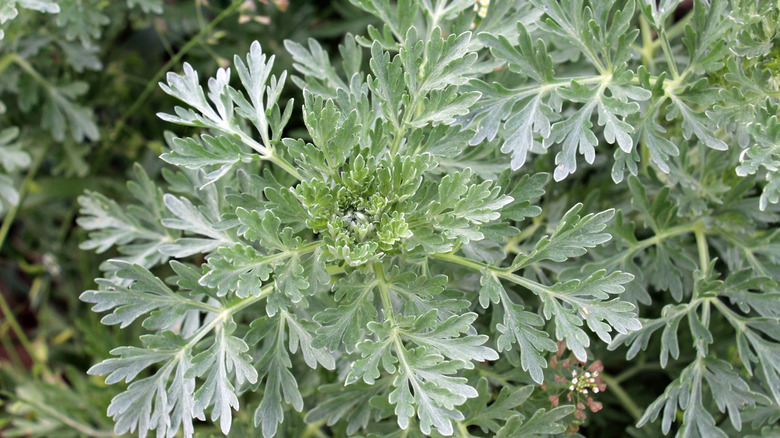
To work as a flea and tick barrier, plant wormwood along the borders of your garden, in sunny spots with well-draining soil. This drought-tolerant plant is perfect for rock gardens and border landscaping, growing to 3 to 5 feet tall and 2 to 3 feet wide, forming large, silvery bushes. Be careful not to plant wormwood too close to other plants, however, as its chemical compounds can inhibit the growth of some other herbs, including caraway, fennel, and anise. Also, be careful with wormwood around pets, as it can be toxic if ingested. Wormwood can also be dangerous if ingested by children or pregnant people, and it can cause seizures and other neurological problems.
Wormwood is just one of many beautiful plants that can help keep ticks and fleas out of your yard, and you'll need to check with your local county master gardener or state agriculture agency to make sure it is the best choice for your area. Wormwood is a non-native species and is considered invasive in many states.