

The Up-And-Coming Design Trend That's Reshaping Homes And Sparking Creativity
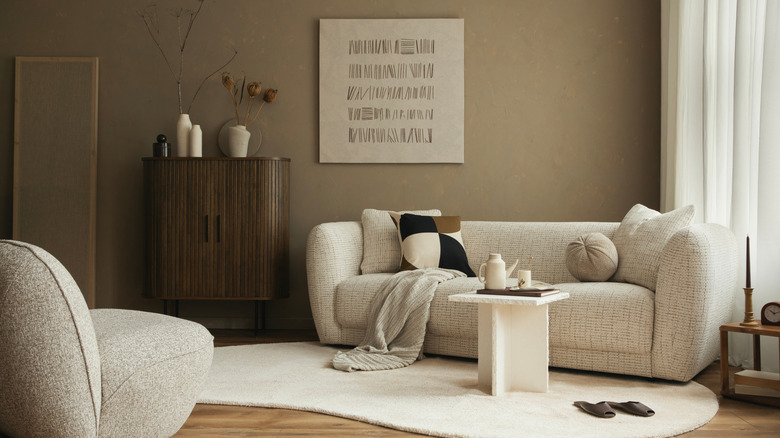
Digital engagement has undeniably become a cornerstone of modern living, but thanks to the rise of AI and the continually toxic nature of social media, more people than ever are on the lookout for authenticity and a way to step away from their screens while at home. Unfortunately, the arrangement of today's houses can sometimes make this require a conscious, habit-breaking effort. Living rooms are often built so that everything points toward the television. Outlets are strategically stationed so that you can simultaneously charge and look at your device while you cook, recline in your favorite chair, or sit in bed. Additionally, contemporary open floor plans can feel overwhelming because the large, unified spaces they create hinder the establishment of isolated, tech-free zones. To escape the doomscrolling, more and more of today's homeowners are seeking to retool their interiors to create analog rooms. These trending spaces intentionally remove technology in favor of offline activities and physical media collections, so that it's easier to disconnect, and thereby truly relax. "I'm hearing a lot more requests from clients for designs that will help them 'switch off,'" designer Joyce Huston confirmed for Real Simple.
Going analog in your home first requires you to think about the activities that you like to do, or that you used to enjoy, that don't require a screen. From there, your goal should be to establish a space that makes it easy to engage in that activity without interference from digital devices. You might need to rethink the entire layout of your home to create a truly analog room. However, setting one up is also an incredible opportunity to think creatively about your decorations and furnishings, and try out some small home updates that make a big impact.
Ways to create an analog room in your home
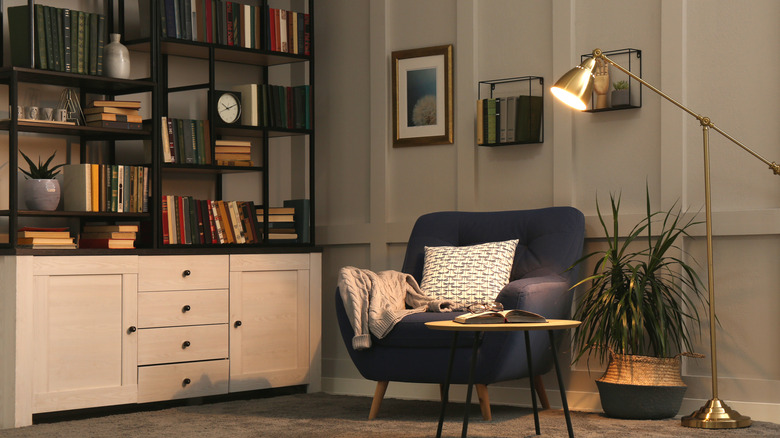
An analog room should function as a screen-free retreat that reconnects you with offline hobbies such as reading, playing music, or painting. The objects within the space should be things that you can physically interact with, and the decor should bring you back to simpler times. A home library is a great example of an analog interior. Make room for comfortable chairs, an end table with magazines on it, and of course, a huge collection of books. A game room, with a pool table and a dart board, could also be an excellent analog space. You could hang up vintage movie or concert posters in the room, or install a home bar and a card table to lean into speakeasy vibes and make the environment a bit more social. Other examples of potential analog rooms include art studios and greenhouses. Remember that the space should ultimately be a place where you can go to relax and unwind.
A dining room is a great example of a potential analog room for families. According to a 2025 survey from Lurie Children's Hospital in Chicago, more than half of parents say that screens interfere with spending quality time together. A parking area for phones and tablets outside of the room and a shelf or sideboard with activities like board games and puzzles within the room could prompt connection, even when a meal isn't being served. There are plenty of unique rustic dining room design ideas out there that will bring the space's visual aesthetics back to a screen-free era as well.