

Riding Lawn Mowers: The Hidden Downsides No One Tells You About
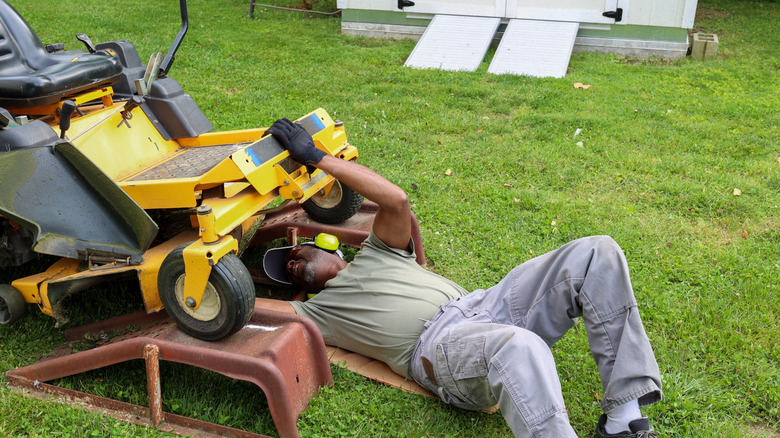
Once you learn how to drive a riding lawn mower, cutting a lawn becomes a breeze. These mowers are ideal for yards over ½ acre, and for people who don't have the strength to guide a push mower around a property. They cover more ground in less time with little effort, and some models even mulch and bag grass for you. It's seemingly the superior choice all around. However, like all modern tools, there are always hidden downsides behind the scenes.
Riding lawn mowers are built to carry a whole person while mowing large tracts of grass. Naturally, they cost more to purchase and maintain. They're also very bulky, especially compared to most lawn equipment and push mowers. By chopping more grass at once, they don't have the flexibility of smaller cutters. Depending on the type of mower, whether gas-powered or electric, there are other cons to consider as well. Even the best riding lawn mower falls victim to these downsides, making it important that homeowners fully understand the risks and limitations of these vehicles before purchasing.
Factors to beware when it comes to riding lawn mowers
The biggest perk of riding lawn mowers is also their biggest downfall. These tractors are efficient and cut wide spans of grass at once. Due to their hefty size, they can't fit in narrow strips of land between gardens and houses. They're harder to maneuver close to lawn edges, especially if there are rocks, plants, or other landscaping features close by. They also need to be stored away when not in use as these are expensive investments that shouldn't be left out in your yard to face the outdoor elements or potential theft. The safest place for lawn mowers is in sheds or garages. Unfortunately, these vehicles don't break down or fold up like some push mowers, so storage options are somewhat limited.
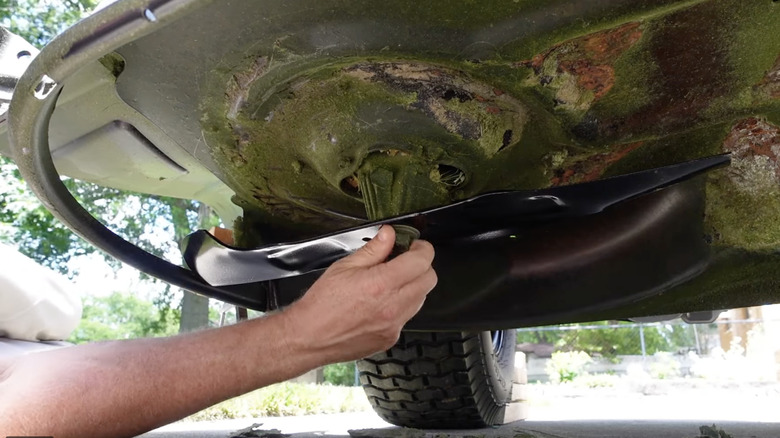
Another obvious drawback of riding lawn mowers is the price tag. Even the cheapest models typically cost about $2,000 upfront. The sticker price is an obvious con, but this doesn't include other costs like fuel, additional accessories, replacement parts, routine maintenance, or repairs that occur over a mower's lifespan. Gas cutters need oil changes, belt replacements, blade sharpening, filter cleanings, spark plug replacements, and fuel and engine treatments. Electric models don't require as much maintenance. However, when their motors fail, repairs and replacements run into hundreds of dollars. Both versions of riding tractors are much larger than walk-behind mowers and have more complex systems where things can go wrong.
Another negative of riding tractors is that they are dangerous. The Texas Department of Insurance warns that most accidents are caused by operators losing control, falling off the vehicle, and under the equipment. You must educate yourself on how to properly inspect and operate specific models before every cutting session, especially since they're much larger and faster than push mowers.
How to offset the downsides of riding lawn mowers
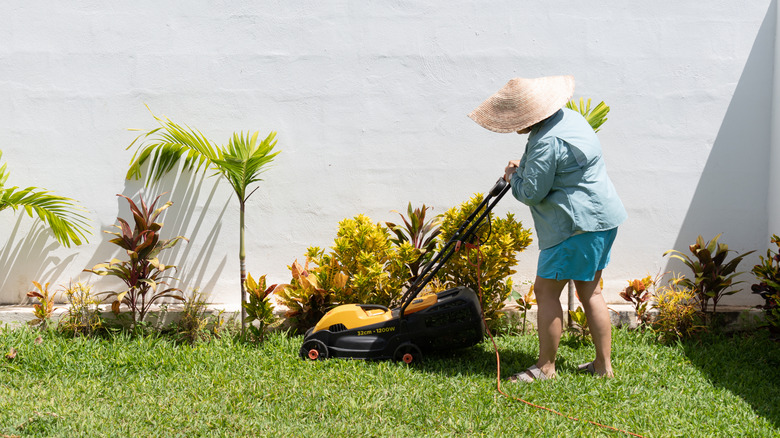
There are always workarounds for certain cons, so don't write off all riding lawn mowers just yet. Educate yourself on the most unreliable lawn mower brands and the best options, so you can trust your device to hold up better long-term. Don't buy the biggest model, purchase the right build for your yard. A massive tractor isn't going to do much good if your land has too many obstacles. If you need more maneuverability, invest in a zero-turn riding mower, which cuts tighter turns. Rear-engine mowers are also more compact and better fit smaller spaces. Of course, there are places even these riding mowers can't fit. If your property has intricate landscaping, push and walk-behind models are more realistic. Their concentrated mowing range is much easier to handle, making it less likely you'll accidentally damage the mower blades or your precious flowerbeds.
The best way to avoid large repair bills is with proper upkeep. Paying small costs throughout the year is far more feasible than facing large repairs and replacements down the line. You can maintain a riding mower with seasonal oil changes and routine lubrication. In fact, Ty's Outdoor Power & Service has a handy checklist for riding mower maintenance.
All mowers can be unsafe, and there are ways to improve riding tractor safety. Reduce the risks of falling or injuring yourself by choosing a lawn mower with extra safety features, or adding them yourself. A rollbar and seat belt prevent accidental falls. Don't turn your nose up at protective gear, like safety glasses and noise-canceling headphones. These assets seem simple, but work wonders protecting your eyes and ears. The glasses are especially important, as they protect your eyes from flying debris and blade mishaps. They are potentially life-saving accessories.