

The Mistakes You're Making That Are Attracting Moles To Your Yard
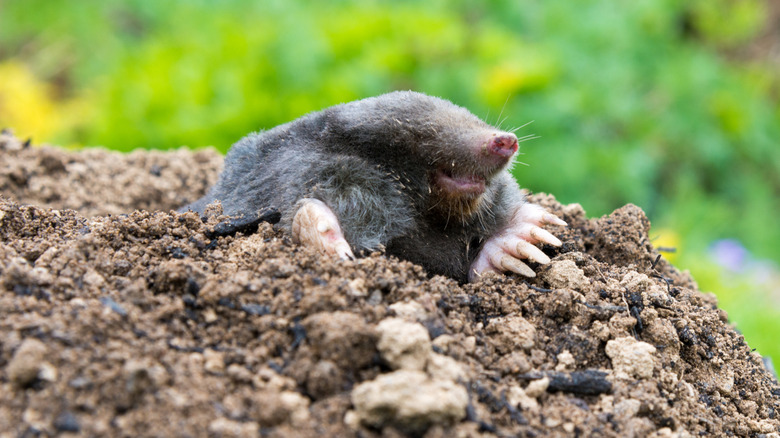
If you want to keep moles from popping up in your garden, then first, you need to think like one. Moles are simple creatures. They spend most of their lives buried deep beneath the soil looking for food. Because they're territorial, you're unlikely to find more than one mole per tunnel. Unless, of course, it's mating season. As they make their way through the dirt, they can push up plants, including grass, which dislodges the roots and dries them out. So, even though they're not typically the culprits of eaten bulbs, you still don't want them living in your yard.
So, what are the qualities of a yard that makes it appealing to moles? Since they live underground, they need soil that's easy to move through. If their paddle-like feet can't push through the dirt, they'll be more inclined to turn the other way. They also eat a lot. Moles don't just eat during the day; they search for food 24/7. These hungry little creatures can eat up to 80% of their body weight each day. So if your soil is easy to move through and it's fully stocked with their favorite treats, you may have accidentally created a mole paradise. If this sounds like your yard, or you're making one of the other mistakes below, then give some of these mole-banishing solutions a try.
You'll regret not managing the invertebrates moles feed on
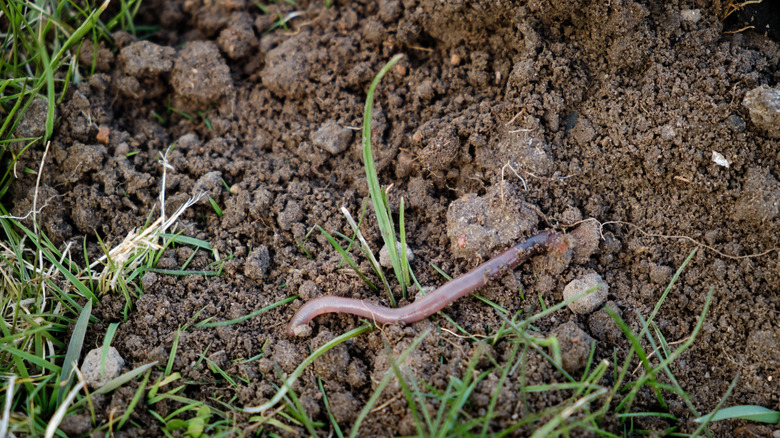
A mole-filled yard is, ironically, a sign of a healthy lawn and garden. The more nutrient-rich your soil is, the more earthworms, aka a mole's favorite meal, you'll have. Additionally, earthworms and other beneficial soil organisms help aerate the soil, making it even easier for moles to move through. However, earthworms aren't the only item on the menu. Moles eat an array of soil-dwelling invertebrates, including centipedes, ants, beetles, crickets, and insect larvae. So, if your yard is crawling with mole food, you're unintentionally luring them in.
Don't worry, you can keep your lawn healthy while making it less appealing to earthworms and other mole snacks. Earthworms don't like acidic soil, so you can try increasing your soil's pH by using an ammonia-based fertilizer. This can initially help control earthworm populations, though some farmers say they'll bounce back and return. Keep your lawn free of grass clippings and fallen leaves, which make for good earthworm food. If you'd prefer to leave the leaves to support hummingbirds and beneficial insects, you can rake the leaf litter off to the side. Keep your yard clean of food crumbs, pet food, and fallen birdseed to keep out ants and other insects. Whatever you do, don't use pesticides in an attempt to wipe out worms and insects. Many of these creatures benefit your lawn, so you don't want to get rid of them all. Plus, applying excess chemicals to your lawn can harm or kill other beneficial wildlife.
Relying on home remedies to combat moles is a mistake
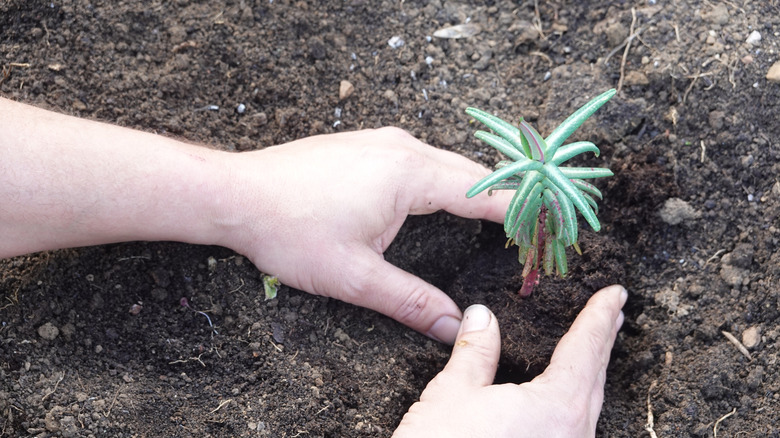
Unfortunately, home remedies won't solve your mole problem. Hacks like setting out mothballs, using broken glass, and other deterrents aren't scientifically proven to work. There are also sound- or movement-based products that claim to scare away moles, but they aren't known for being effective either. In fact, it's much more likely to see the opposite effect. While you're trying out new methods, the moles will take advantage of the extra time to continue building their intricate tunnel systems. When moles initially move into your yard, they'll be working with minimal tunnels. With more time to dig, they create several new routes to hide out in by the time you work on tracking them down.
Ultimately, trapping is the best method to get rid of moles. There are a few types of mole traps, including harpoon, scissor, and tunnel traps. Releasing moles isn't recommended (and illegal in some states) because they can cause problems elsewhere. Therefore, most mole traps will kill them instantly. Although you may have luck placing traps near random tunnels, it'll be much easier if you can determine which tunnel they're most active in. Push the end of a shovel or broom into visible tunnels. Within a day, you'll likely see that some of the holes have been repaired. Use these areas as a guide to place your traps. If your traps remain empty after a few days, repeat the process and set up the devices in a new area.
Keep your soil too wet and you'll be sorry
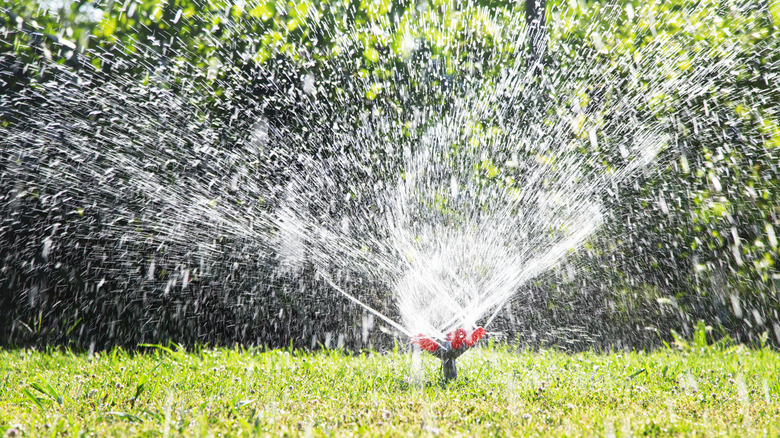
Moles thrive in moist soil. This is why you've likely seen mole hills pop up after a long bout of rain, especially in the spring or fall. As the dirt fills with water, earthworms head closer to the surface in search of oxygen. With more invertebrate activity, the hungry moles are eager to wade through the soil to catch their prey. Plus, moles can create pretty impressive tunnel systems, which is more easily accomplished when the soil is consistently wet. Although moles can dig and survive in many soil types, soft, damp soil is much easier for them to push aside and tunnel through than dry, compact soil.
Make sure the soil in your yard has a chance to dry out between waterings. If you have a sprinkler or another irrigation system, set it so it deeply waters the grass once per week, rather than short bursts every day. In addition to making the dirt less hospitable to moles, it's also better for your grass. Without deep waterings, your grass roots can have shallow growth, which makes it less tolerant to drought. Encouraging deeper root growth also makes it easier to manage garden pests, as your grass will be healthier and more resilient.
Don't treat mole control as a one-time fix
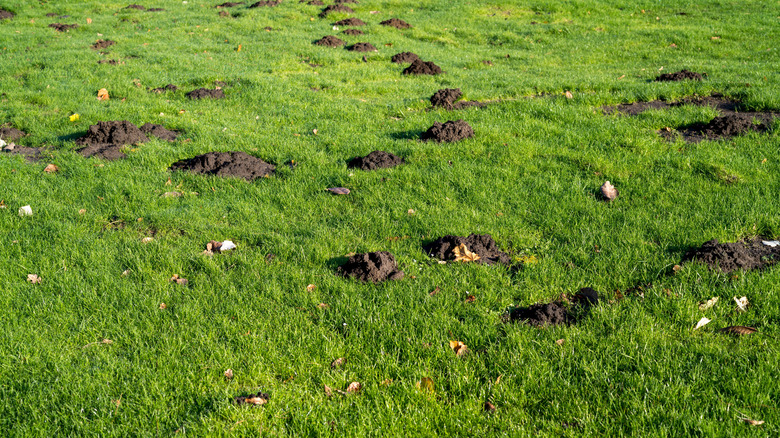
So, you saw a molehill pop up, set some traps, and assumed moles were a thing of the past in your yard. Unfortunately, this is rarely the case, especially if you live near a wooded area or other natural habitats. Although moles are territorial, this doesn't mean that they won't swoop in and take advantage of pre-built tunnels left behind from the previous residents. If the tunnels already exist, it takes far less effort for a new mole to expand upon them than it would to dig an entirely new system.
Moles typically mate in late winter and give birth to baby moles in mid-spring. Young moles often begin searching for their own territory in late spring or early summer. So, while you should always be on the lookout for mole activity, it's especially important to be vigilant during these times. If you consistently have a new flush of visitors, you may have to make some changes to keep them out. First, repair mole damage and prevent new moles by tamping uneven spots and visible tunnels in your lawn. For further prevention, installing underground barriers can temporarily help limit new underground inhabitants. Opt for a sturdy stainless-steel fence or a galvanized hardwire cloth and bury it at least 2 feet beneath the soil. For a less labor-intensive strategy, you can use wire-mesh baskets to keep moles from disturbing your bulbs.
Ignoring mole activity during the winter is a rookie error
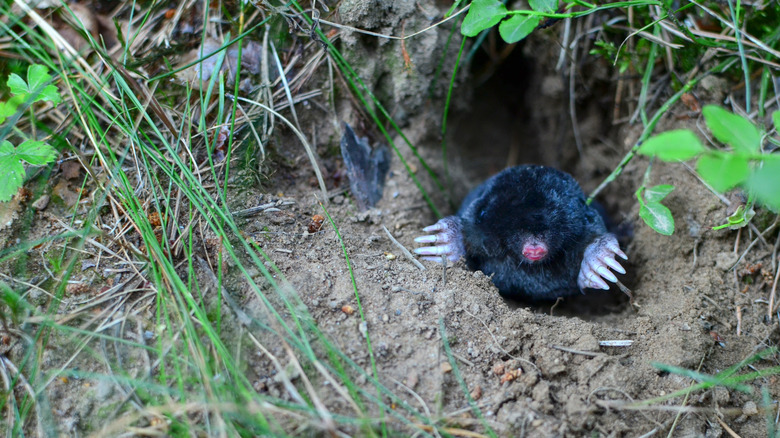
Moles may be more active during the warmer months of the year, but that doesn't mean they cease to exist in winter. Unlike other insectivores, moles don't hibernate, so they'll continue digging and searching for food year-round. With cool weather and drier conditions, moles will dig deeper into the soil. So, they can be easy to forget once their busy season settles. However, the last thing you want is to undo the work you've already put into your mole control.
Don't neglect to scan your yard for signs of mole activity in winter. Don't worry, you can stay snuggled in indoors during the snowstorms. But once the snow melts, it's time to investigate. Moles are likely to take advantage of the moistened soil to dig their deep tunnels and create visible molehills. You may also notice mole activity on those surprisingly warm winter days. With higher temperatures, they'll begin to travel upwards to hunt for food. If you notice any signs, don't wait until spring to take action. Acting fast in winter is the best way to prevent a new generation of moles from popping up come April.