

20 Gorgeous Plants You Can Easily Propagate From Cuttings
We may receive a commission on purchases made from links.
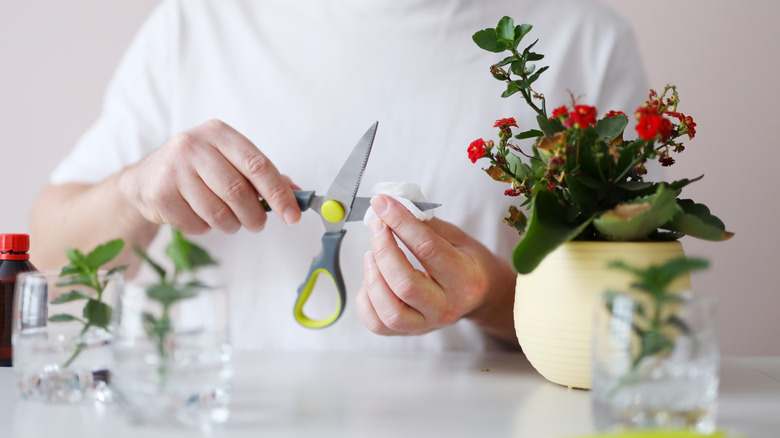
As much fun as it is to visit the garden store, you can actually create an endless supply of your favorite outdoor and indoor plants by propagating them yourself. That vibrant rose, impressive dogwood, and stunning snake plant can live on forever when you follow a few simple rules of propagation. And while not every plant is easy to recreate, even the palest of green thumbs can grow copies of their favorites from the cuttings or leaves of these 20 gorgeous indoor and outdoor species.
Whether your goal is to fill your garden with fresh color each season or spawn the perfect gifts for friends and family, propagating these plants takes only a little bit of effort. There are two basic methods of plant propagation — soil and water. Soil propagation works well for outdoor showstoppers like your favorite roses and lovely herbs like rosemary, where simply taking a softwood cutting in spring and planting in the right soil will yield you new copies for your collection. Soil propagation is also easy for succulents, where an entirely new plant can grow from one, carefully-removed leaf.
Water propagation is equally straightforward, and works well for popular and pretty houseplants like begonias and prayer plants. Just make a clean cut below a "node" (where leaves attach) of these plants, and place your cutting directly in fresh water. Put it in a sunny spot, keep the water fresh, and wait for roots to develop.
Roses

Everyone who grows roses (Rosa spp) has a favorite or two, and luckily you can propagate these gorgeous flowers from cuttings any time of year. But you'll have the most success from stems snipped just after a late summer bloom. It is helpful to dip your cuttings in rooting hormone before placing them upright into your potting soil. Keep moisture and humidity high by covering your cutting with a cloche or plastic bottle, and you should get new roots within a couple of weeks.
Hydrangeas
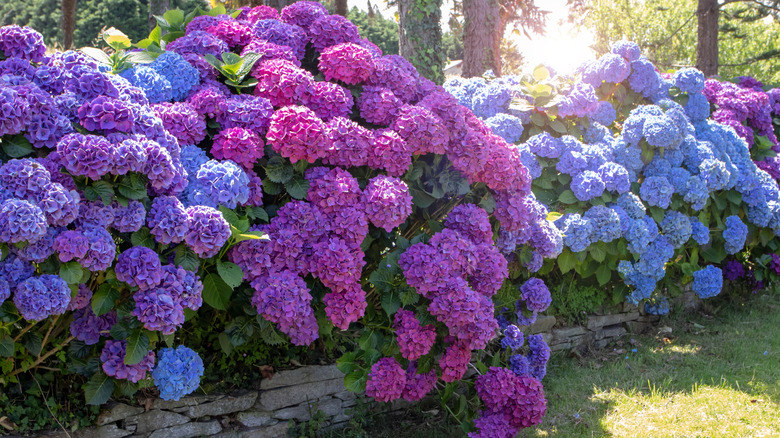
The robust blooms of hydrangeas (Hydrangeaceae) are gorgeous additions to any landscape, and Northlawn Flower Farm and Garden demonstrates how easy it is to take tip cuttings and place them in a glass jar of water to develop roots within six weeks. Once they have roots, simply transfer your baby hydrangeas into pots with soil for a few weeks to continue to develop. You can plant them outside once the heat of summer has passed.
Chrysanthemums
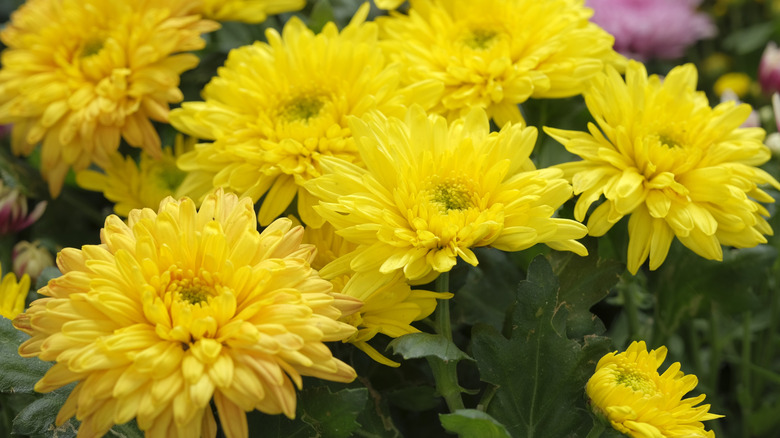
Another backyard stunner, the chrysanthemum (Chrysanthemum x morifolium), is a snap to propagate in soil. Take early summer cuttings from your biggest and bushiest plants. Stems with their lower leaves removed can be placed directly into the soil and kept moist as they develop new roots, in about a month.
Penstemon
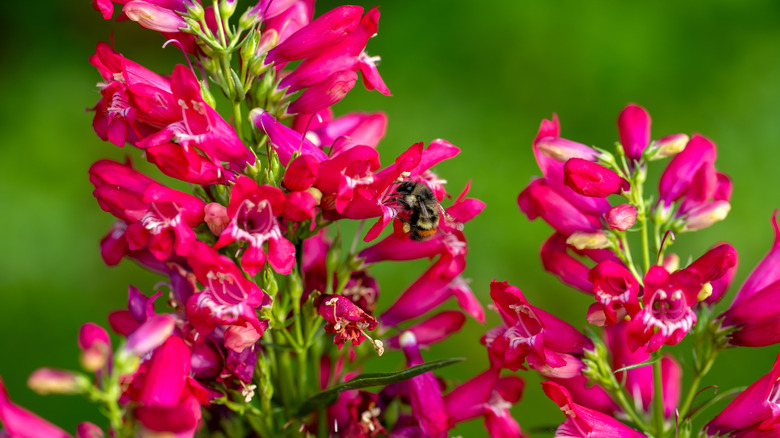
That tall, native favorite, the penstemon (Penstemon digitalis) is perfect to attract bees and butterflies to a pollinator garden, and you'll never run out of these colorful wildflowers through simple propagation. From spring to fall, you can cut a stem with at least six nodes and place it directly in a sandy soil mix. Keep warm and moist for best results.
Geraniums
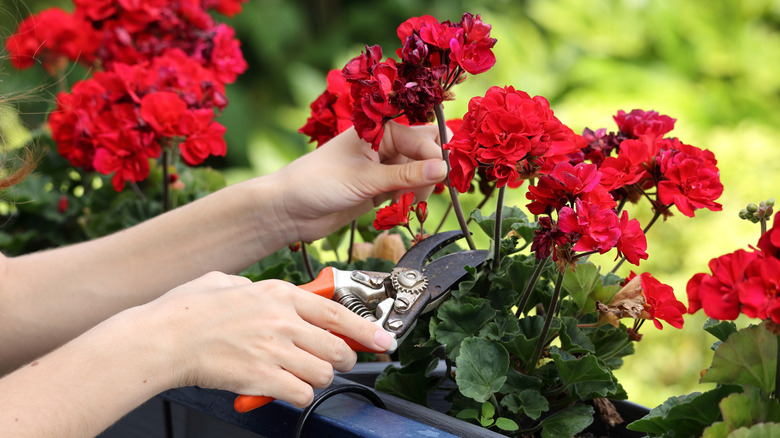
Outdoor pots full of colorful geraniums (Pelargonium) frame many front porches and patios. Clone your most colorful by cutting a 4 to 6-inch stem directly below a node, keeping the top four leaves. Dipping your cutting into a rooting hormone will help get the growth going, then place it into light soil of vermiculite or similar well-draining mix. Your plant will be growing again in about six weeks.
Artemesia
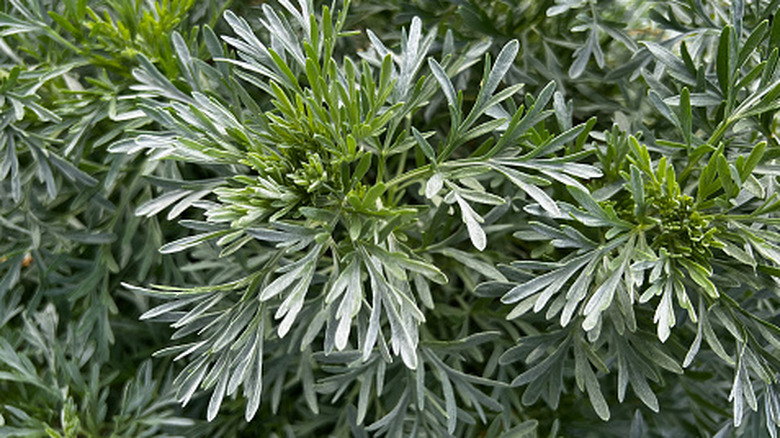
Although not as colorful as roses or geraniums, artemesia (Artemesia absinthium, also known as wormwood) is a delicate, silvery perennial that grows well in dry and sunny gardens and puts out a lovely fragrance. Artemesia cuttings are a great addition to fill out flower bouquets. A 6-inch stem (again, with some rooting hormone) will take root in only a couple of weeks. But be careful where you grow it — this plant is considered a noxious weed in the Midwest.
Begonia
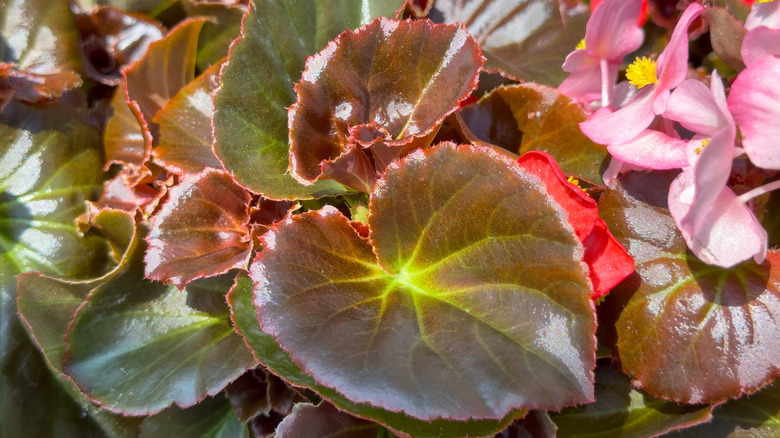
With their interesting variegated leaves that come in a variety of pastel shades and shapes, begonias are one of the easiest plants to propagate by cuttings. The wax begonia (Semperflorens Cultorum Group) is a popular perennial with white, red, or pink flowers, and you can keep your favorite plants forever through water propagation. Simply cut a 2 to 3-inch stem and remove any bottom leaves. Place it in water and you should see new roots in a couple of weeks. Transfer to soil and the life of a new begonia has begun.
African violet
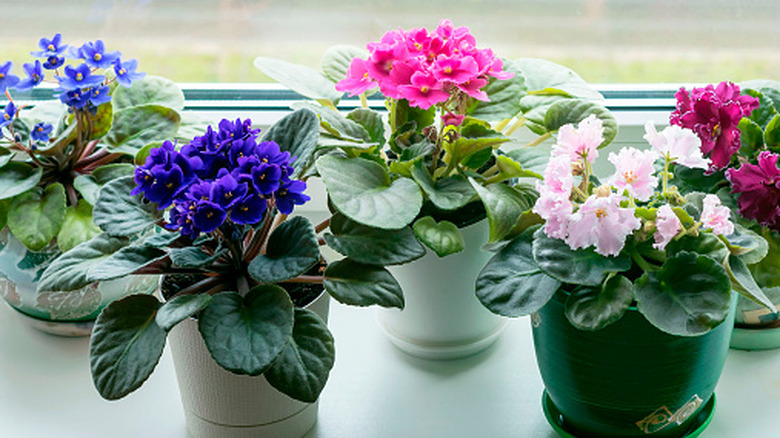
Any time of year is a good time to propagate your African violet (Streptocarpus ionanthus), and you just need one leaf to create a whole new plant. This popular indoor flower comes in a variety of colors, often filling garden store shelves with enticing varieties. But you'll never need to buy an African violet again if you simply cut off one of your fuzzy green leaves with a couple of inches of stem, and put it in either soil or water to start new roots.
Dogwood

Along with your showy shrubs and flowers, there is a popular tree that puts out a cacophony of bright blooms of pink or white each spring, and can be propagated with ease. The flowering dogwood (Cornus florida) and other dogwood species can be propagated from softwood cuttings taken in the spring. Cut 3 to 5 inches of a thin branch below a set of leaves before dipping in a rooting hormone and sticking upright into a sandy soil mixture. Alternatively, you can place your cuttings in water until new roots grow. Tent your potted stem with a plastic bag to keep it humid, and in about 6 weeks a little tree will be on its way.
Mock orange
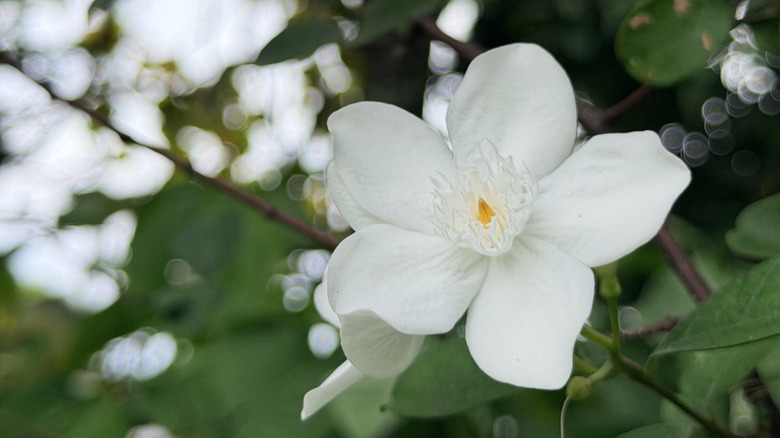
Mock orange (Philadelphus inodorus in the east, or Philadelphus lewisii in the west) is a native shrub that fills with bright white flowers each spring, and is beloved by pollinators. You'll enjoy the orange-scented blossoms year after year, and propagating these natives adds habitat value to your landscape, with birds attracted to its seeds each fall. Similar to dogwood, this woody shrub can be propagated from softwood cuttings taken in summer, and dipped in rooting hormone before planting in soil and keeping moist until new roots form.
Clematis
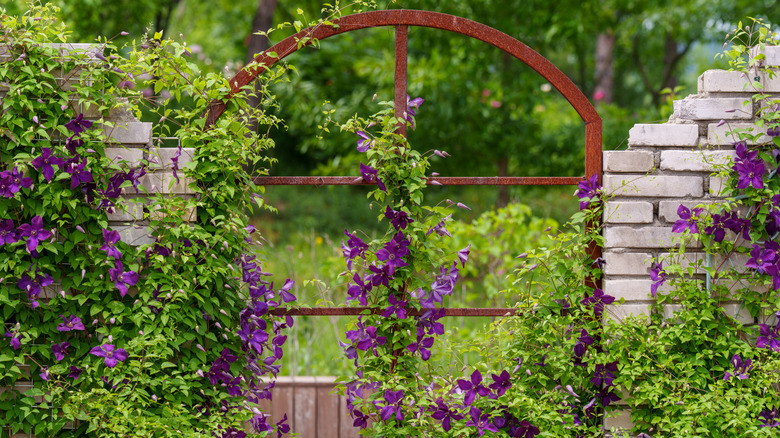
Like the mock orange, growing clematis (Clematis spp) brings both color and fragrance to your garden. And propagation of this climbing vine is a breeze. In late spring or early summer, snip off a 4 to 6-inch portion of stem with no flowers, leaving just the top leaves. Dip in your root hormone, put in sandy soil and cover in plastic. Be careful to wear gloves though, because clematis can irritate the skin. It is also toxic to pets.
Lavender
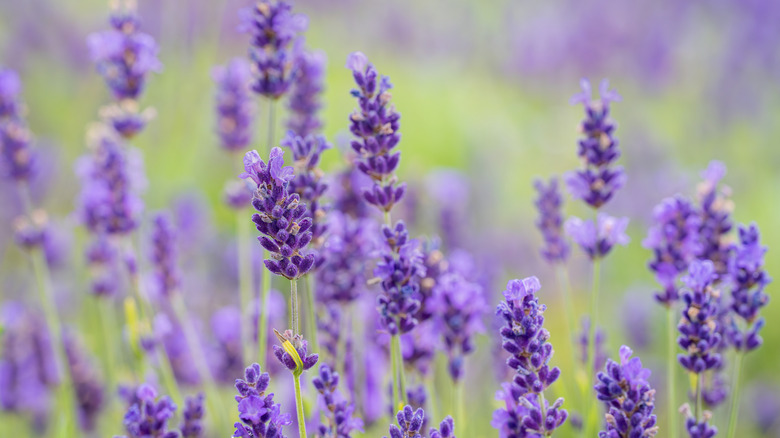
Another garden favorite for its beauty and fragrance, not to mention its ability to keep mosquitoes away, lavender (Lavandula) can be easily propagated by stem cutting, creating new little lavender bushes perfect for gifts. Choose a mature plant of a few years old from which to cut stems of a few inches, strip off the bottom leaves, and plop them right into moist, sandy soil. Rooting hormone isn't required. As your new lavender bush grows, keep it warm in a greenhouse or with a heating mat like this Vivosun Seedling Heating Pad.
Mint
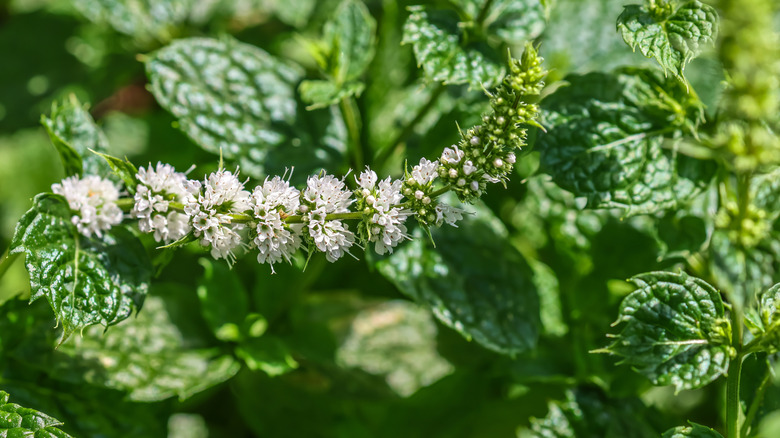
Another fragrant herb with pretty, delicate flowers is mint (Mentha spicata), which you may already have plenty of in your garden, but is fun and easy to propagate and give away. This video from Horticulture Magazine shows how easy it is to pull off a stem of mint from the root, remove leaves and flowers , and cut the stem just below a leaf node before putting in water. Choose newer growth for best results. You can also propagate mint directly into soil with the addition of a root hormone. New roots will form in just a couple of weeks.
Rosemary
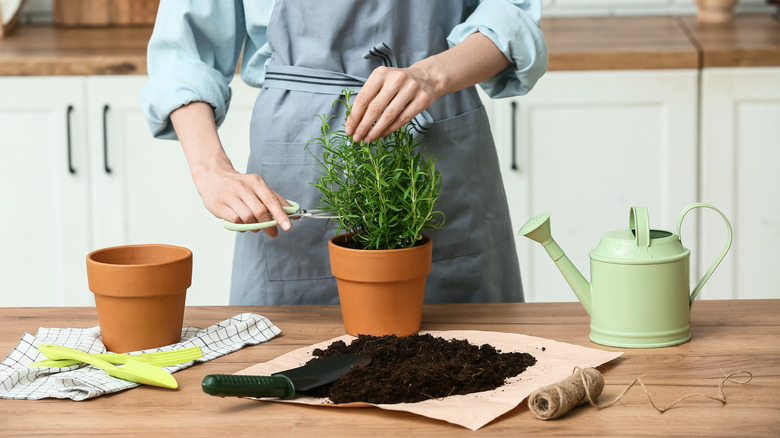
Rosemary (Salvia rosmarinus) is another fragrant herb with a million household uses, from cooking to essential oils, that makes a great little potted gift for almost no money. YouTuber Lovely Greens shows how easy it is to take cuttings of your rosemary and plant them in a new pot with well-draining soil, for root development in about six weeks. You can plant several cuttings in the same pot initially, and gently separate them later into individual pots.
Jade
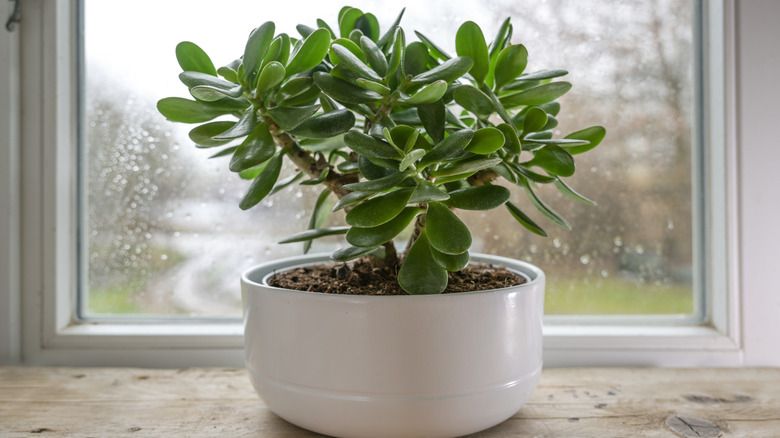
In addition to flowers and herbs, the glossy green succulent jade (Crassula ovata) is a striking plant grown indoors our outside that you can propagate in soil with little effort. Simply cut a lengthy stem of at least 5 inches and remove the bottom leaves, then place it into well-drained soil. It is helpful to let your cutting dry out for a few days before planting it. You can also grow a new jade plant from just a leaf. You can propagate jade any time of year.
Echevaria
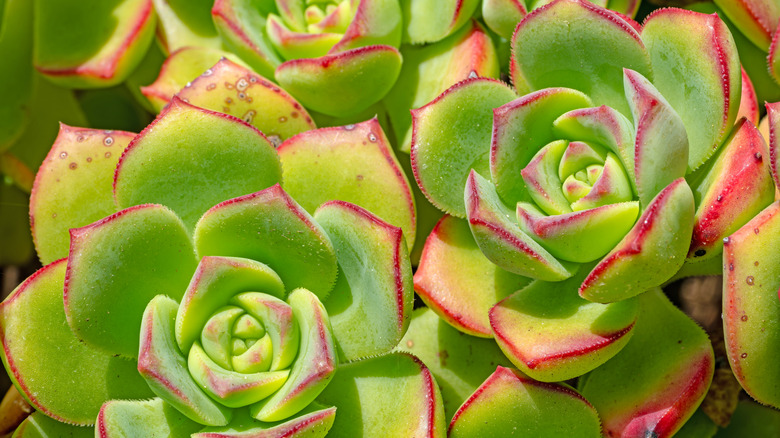
Adorable echeveria (Echeveria spp) has 200 species, each a diminutive succulent in a unique shade and color. Thick leaves form a tight rosette that can be propagated with ease in two different ways. Low-growing echeveria produce little "chicks" or baby plants that can be gently pulled away or cut with a sharp knife to be set aside for a few days to dry out before planting. You can also propagate by pulling out a lower leaf, letting it dry for a few days, then laying it atop fresh soil. Keep new roots misted and covered with soil until soon a whole new baby echeveria emerges.
Snake plant
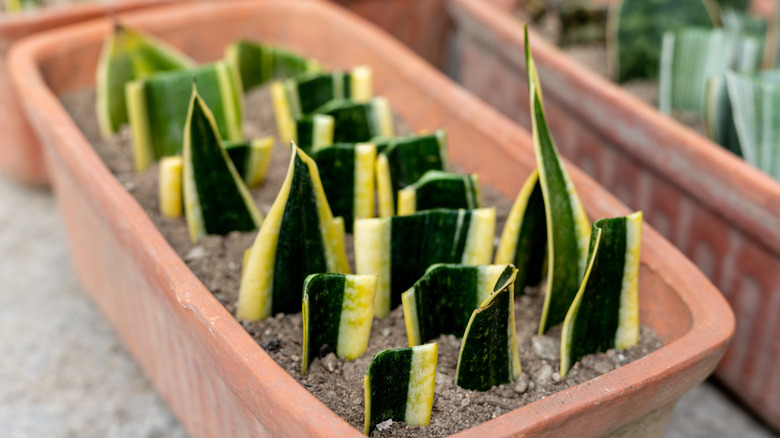
The hard-to-kill Snake plant (Dracaena trifasciata) has benefits as a bedside plant and is known for its air-purifying abilities and easy care. It is also easy to replicate through leaf cuttings. In spring or summer, simply clip off a healthy leaf with sharp pruners or scissors, let it dry out for a few days, then plant it cut side down about an inch into well-draining succulent soil, so it stands up straight. You can even cut long leaves into several pieces — just notch the bottoms so you know which end to place in soil. Water and wait...that's it! New baby snake plants will start to pop their heads up in a few months.
Spider plant
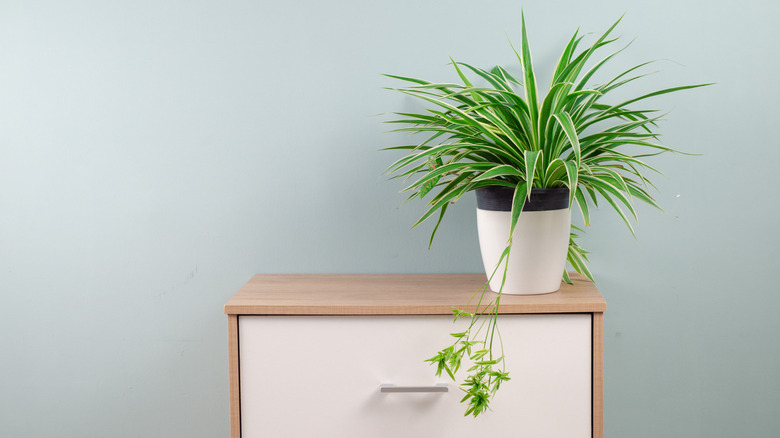
The pretty spider plant (Chlorophytum comosum) practically propagates itself, creating "baby spiders" from runners that hang off of the main plant. You can put these babies in soil while still attached to the mother plant, or wait until these little hanging "pups" start to show roots of their own, and clip them off to place directly into their own pot. You can also cut off the baby plants and place them in water to grow new roots before moving them into their new home.
Prayer plant
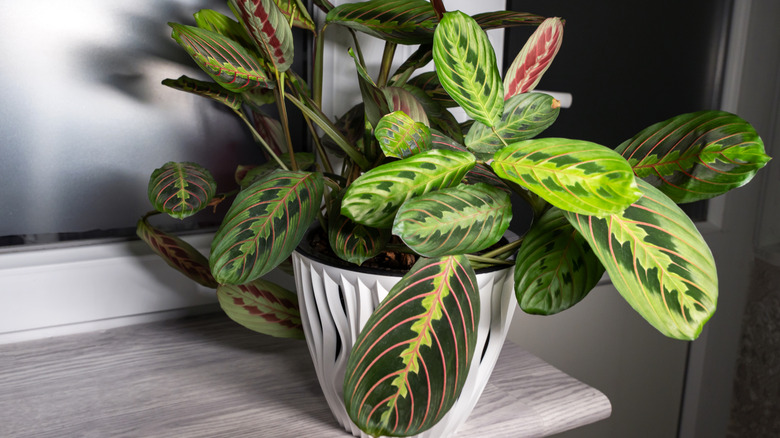
The beautiful prayer plant (Maranta leuconeura) brings the drama with its broad, variegated oval leaves, ribbed with pink veins. Water propagation is the easiest method for this plant, taking a stem with at least three leaves, and cutting it 1 inch away from a leaf node. Place the stem in fresh, room temperature water that you change weekly. Don't let the leaves touch the water during this process or they may rot.
Holiday cactus
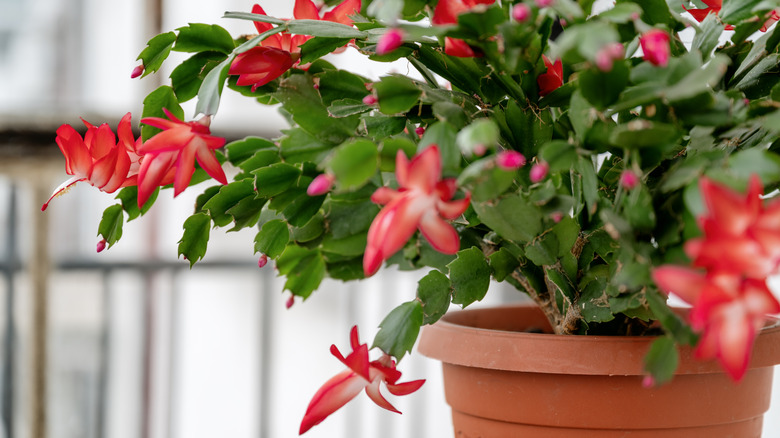
What are the holidays without a bright holiday cactus (Schlumbergera truncata), with its happy blooms of pink, red or purple to add to seasonal cheer? You can create little holiday cactus gifts of your own just in time for family and friend get-togethers by cutting stems off of your plant in spring or summer. Gently twist off one to four stem segments and allow to dry out away from bright light. Then put cuttings (several can go in the same pot) into cactus soil, cut side down, about an inch apart. After a few weeks you will have root growth and new little cacti to put in gift pots for the coming season.