

Before Spring Arrives, Do This To Get Greener Grass
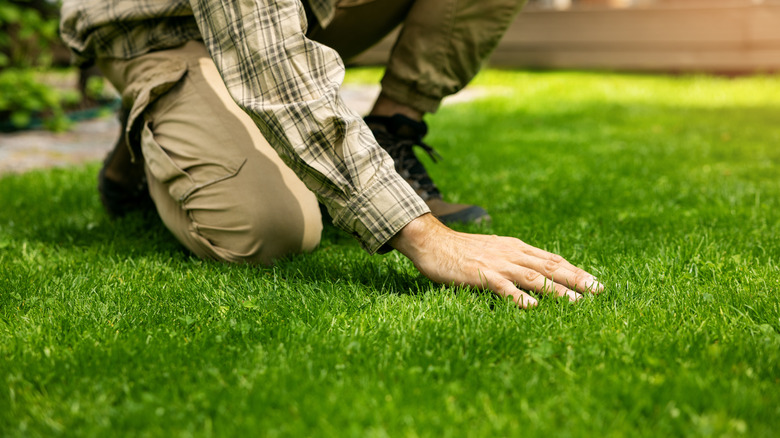
As spring draws near, everything seems to come to life relatively quickly. Trees start to flower, seasonal birds may start visiting feeders in your garden, and, depending on your region, the grass in your lawn will start to wake up from its dormant state. While the latter point ultimately means there will be more mowing and other maintenance in the near future, this is also the time when well-cared-for grass grows lush and green until next fall or winter. As you put together your seasonal landscape maintenance checklist, one task should be at the top of your list: cleaning up all winter debris that may be on top of your grass.
A healthy lawn needs more than regular mowing sessions. Like all plants, grasses also require adequate water, occasional fertilizer, and possible herbicides for weed management. Additionally, grass needs sunlight. Without adequate sun exposure, grass cannot grow and thrive as it ought to. When you have debris blocking your lawn's access to sunlight, this can cause the underlying grass to lose its lushness and color. This is why grass that's shaded by trees or awnings often grows in thin patches. Adding to that, proper air circulation is important for grass, too. Collectively, removing debris ensures your grass gets the sunlight and circulation it needs for a healthy start to the growing season while helping commercial turf products work more effectively.
Tips for cleaning up winter debris from your grass
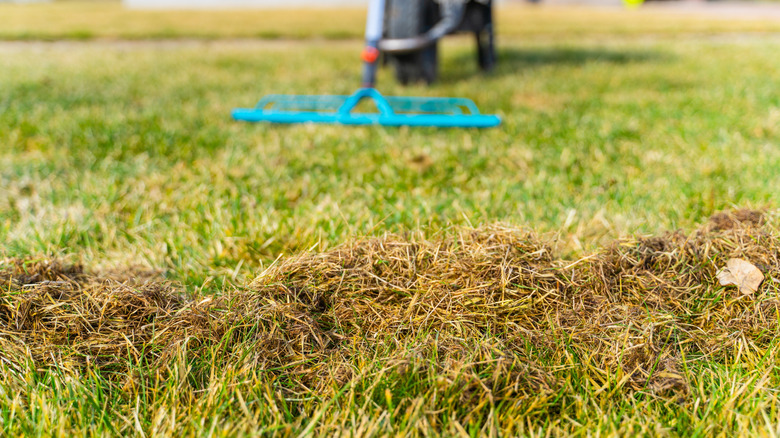
When preparing your yard for spring, you can do your grass a big favor by removing all types of debris. This can include everything from toys and recreational equipment left outside during the winter to organic materials. Rake up any wayward leaves and sticks that fell onto your lawn over the winter, along with any mulch or soil that may have washed out of landscape beds. Raking the grass also helps aerate the soil so that fertilizers can adequately penetrate the roots.
Once you've removed debris from your lawn, you can proceed with your first mowing session of the season. While it's generally recommended to cut your grass shorter than usual during this first spring mow, doing so can unfortunately lead to more debris if large amounts of clippings are left behind. Normally, leaving clippings on the ground is the best way to mow the lawn to prevent the spread of weeds. However, this is one of the rare cases where you might consider bagging or collecting the clippings for compost or mulch. Otherwise, leaving them on top of grass that's trying to wake up for the season will block out sunlight and air. Finally, consider making debris removal a habit throughout the season. This ensures your grass has the best chance to grow green and healthy for months to come.