

Prevent Bed Bug Infestations Before They Start With This Simple DIY Method
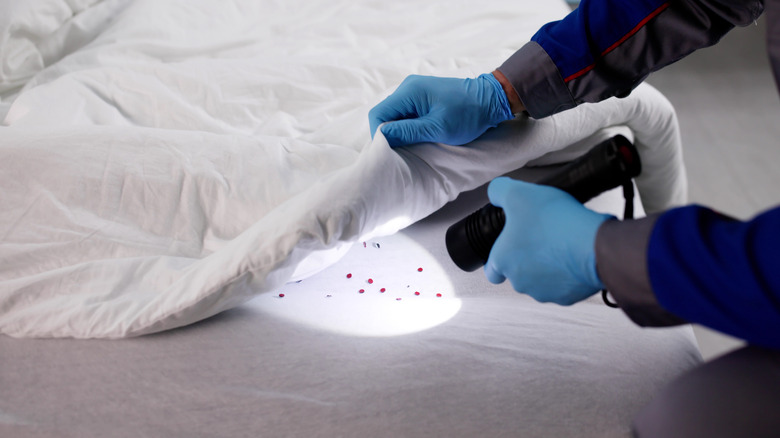
Bed bugs can sneak inside your home without you even realizing it. They can travel home with you on your suitcases during vacations, in the fibers of your clothes after visiting friends' homes, or even stealthily hide in very tight spaces, thanks to their flat bodies. These sneaky pests can even travel through cracks and crevices in walls to move from room to room in a hotel — or between homes in apartment buildings and townhome complexes. But it is possible to prevent bed bug infestations altogether; in fact, it's downright simple to do. With a quick DIY fix that involves sealing small openings with caulk, you can keep bed bugs from sneaking in, or worse, hiding and multiplying inside crevices.
Bed bugs are commonly found in or on sleep areas, so your bed is a prime target. These small but mightily frustrating bugs tend to climb into mattresses, box springs, headboards, nightstands, and even underneath wallpaper. However, it is possible to get rid of bed bugs without hiring a pest control professional. It just may take significant time and effort, which is why preventing an infestation altogether is a better (and easier-to-achieve) goal. While you can carefully inspect furniture, vacuum regularly, reduce clutter, and consistently check your travel items, sealing up walls, cracks, and crevices with caulk can be an effective solution. As an added perk, you'll only need to do it once.
Seal up any small, sneaky openings to stop bed bugs in their tracks
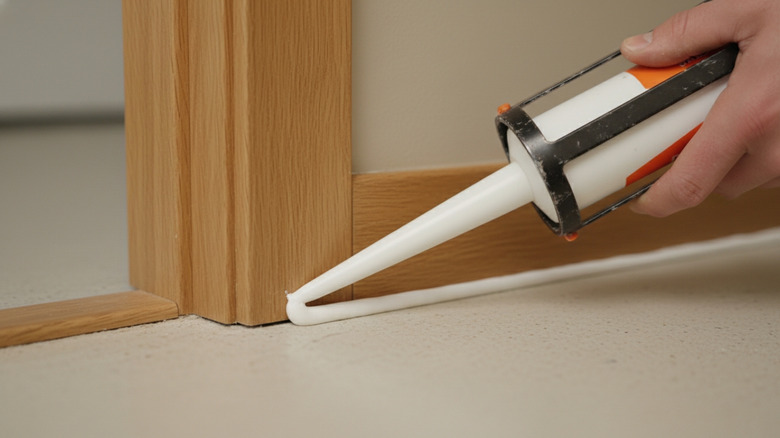
If you're hoping to prevent a potential bed bug infestation, sealing potential entrances into your home and closing off possible hiding places and breeding grounds is key. Applying caulk to these bed bug-loved spots can do the trick, and it's a task that only takes minutes to knock out. Start by examining your baseboards and other molding, wall outlets, switches, window and door frames, and even your bed frame if it's wooden. If you spot any cracks or wiggle room around the edges of these areas and it looks like something as small as an apple seed can slip through, it needs to be sealed.
Grab your preferred caulk (which is typically available in white and clear formulas so you can find the perfect color match) and apply it, either by squeezing a handheld tube or using a caulk gun along these tiny openings. Caulk takes about 30 minutes to a few hours to dry and 24 hours to cure, so you'll want to leave it alone for a full day after application.
Generally, caulk is pretty simple and straightforward to apply — and if you make a mistake, there are ways to fix messy caulking. Odds are, you'll most likely be focused on baseboards, around molding or trim, and at the edges of outlets and their faceplates if you're preventing bed bugs from slipping in and spreading, so you'll want to opt for an acrylic latex caulk. However, if you happen to find areas in your bathroom or kitchen, a water- and moisture-resistant option made out of silicone might be a better fit for long-term durability. Just note that while acrylic latex varieties can be painted, silicone caulk cannot.